
From salt air to strong winds, coastal homes demand resilient windows. Learn how smart design delivers long-term comfort and peace by the sea.
Disclaimer: this post may contain affiliate links, and every purchase made through these links will give me a small commission (at absolutely no extra cost for you!) AS AN AMAZON ASSOCIATE AND REWARDSTYLE MEMBER, I EARN FROM QUALIFYING PURCHASES. See Privacy Policy for additional info.
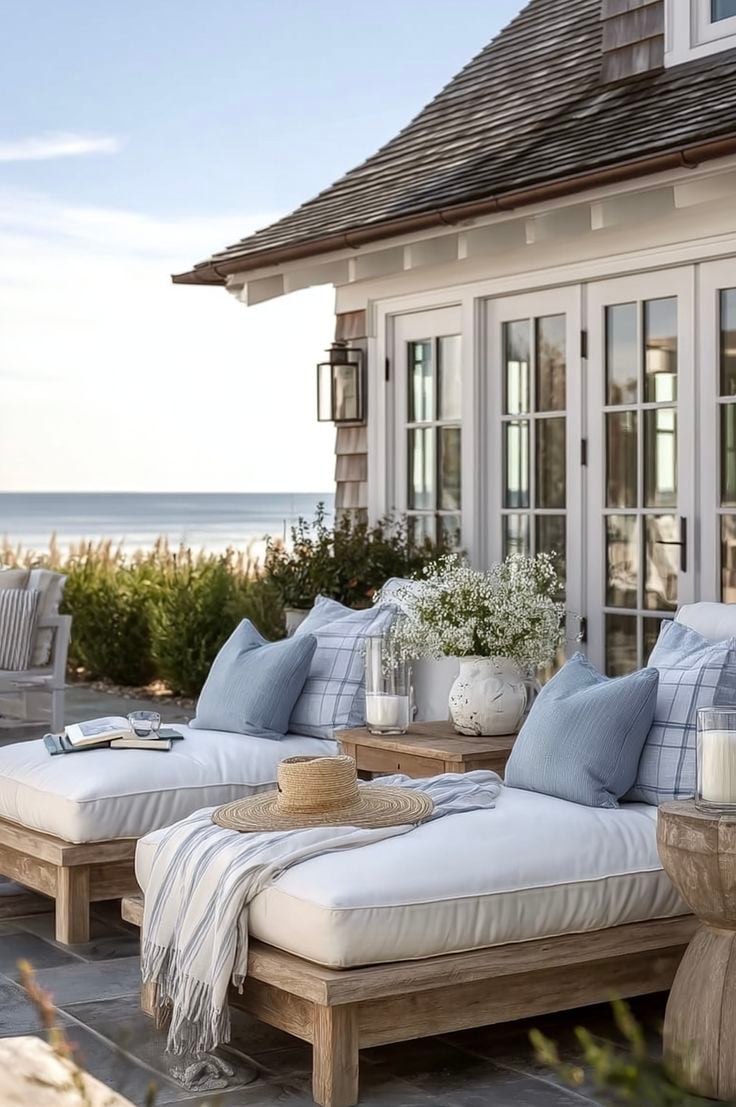
Building a home where land meets sea is unlike building anywhere else. Coastal environments are beautiful, but they are also demanding, bringing constant wind, salt-laden air, and rapidly changing weather. Every design decision must account for these forces from the very beginning, long before the first brick is laid. In this setting, windows are not simply aesthetic features-they are critical components that shape how your home performs, feels, and lasts over time.
Unlike inland builds, coastal homes face relentless exposure. Salt corrodes materials, wind tests every seal, and moisture finds its way into the smallest weaknesses. Standard residential windows are rarely designed for this level of stress, which makes early planning essential. The right window materials, glazing, and installation methods can mean the difference between a home that feels solid and serene, and one that struggles with drafts, noise, and ongoing maintenance.
At the same time, windows define the very reason many people choose to build by the sea: the view. Thoughtful placement and design allow you to frame the coastline while still protecting the interior from the elements. When chosen correctly, coastal windows deliver strength without sacrificing beauty-creating a home that feels calm, comfortable, and deeply connected to its surroundings year after year.
The First Line of Defence
The weather on the coast is consistent rather than random. It brings wind that tests every joint and fine salt that corrodes materials. Here, standard residential windows are difficult to use. Their frames may blister or pit, and their seals deteriorate rapidly. What you require is technologies designed specifically for this kind of environment. Corrosion resistance must be taken into consideration when selecting materials; marine-grade aluminium and properly treated uPVC are essential. Glazing should provide a strong heat barrier. For example, in a home facing the Firth of Clyde, choosing strong double glazing in Ayr is not an upgrade, but rather a necessity. It serves as the first line of defence against intrusive moisture, cold, and damp.
A Question of Structural Integrity
Coastal conditions present structural challenges in addition to material challenges. Every surface is pushed by persistent winds. Window panels and their installation must endure this constant pressure. Every opening may need more reinforcement, and structural considerations are important. Multi-point locking mechanisms which pull the sash uniformly against the seals should be used for casement windows. Large, single-pane windows on particularly exposed walls should be avoided unless they are built for extreme weights. The goal is total airtightness, which eliminates any possibility of wind infiltration or whistling.
Managing the Magnificent View
You build for the view, of course. One of the main factors in selecting a coastal site is the scenery. Because of this, window placement is both a practical and artistic choice. To frame the changing seascape like a live piece of art, use fixed picture windows. These should be balanced with movable windows that are positioned for safe ventilation, such as tilt-and-turn designs that permit controlled airflow or awnings that remain open in the rain. The objective is to welcome the beautiful scenery while keeping bad weather out by combining a clear, unobstructed view with sturdy windows and frames.
The Silence of Good Glass
Coastal soundscapes are rarely quiet. Waves, wind, and occasional storms create constant noise. Good acoustic performance becomes essential. Laminated glass, with its sound-dampening inner layer, is a meaningful investment in serenity. It transforms the interior into a quieter space where ocean noise softens into a background hum. This type of glass also offers added safety, staying intact even if damaged. True indoor calm depends on this separation from the elements.
Longevity Against the Elements
Coastal living requires more maintenance; thus, every design decision should reduce long-term work. Check out fittings and finishes marked "marine" or "coastal" grade; these are resistant to corrosion caused by salt. Salt haze accumulation can be decreased with self-cleaning glass coatings. Think about how simple it is to clean each window; it might not be feasible to climb a ladder in sea gusts. Access is safer with tilt-in sashes. Matte surfaces exhibit less residue than glossy ones, so even the finish matters.
An Investment in the Inevitable
Though these requirements are viewed as additional costs, it is the real cost of construction in a challenging environment. Short cuts lead to future problems such as high heating expenses, continuous repairs, or even the replacement of the entire windows. A wise initial investment can lead to long-term savings. It ensures day-to-day comfort, structural stability, and unending enjoyment of the seaside scenery.
Before a Single Brick is Laid
Like plumbing or electrical layouts, your window plan is a fundamental component of your house. It describes how your house interacts with its unique yet difficult environment. Speak with experts who are knowledgeable about the environment and climate. With the correct advice, you can build with assurance, knowing that your windows are sturdy, glass protectors of your seaside house rather than weak points.

As Seen on TikTok
Come behind the scenes of our farmhouse build, decor projects, and cozy everyday life. Tap a video to watch, then follow @nikkisplate on TikTok for more.
Watch this video on TikTok
Watch this video on TikTok
Watch this video on TikTok




Leave a Reply