
When your water heater is not working, especially during the busy holiday season, it's important to know what to do first. Here's what to do, how to manage without hot water, and when to repair or replace your water heater.

Six houseguests, one roast in the oven, and a shower that ran cold in ninety seconds. That was the December our water heater quit on a Saturday, and I learned more about heat and hot water in four days than I had in fourteen years of owning a home.
If you're staring at a puddle in the utility closet right now, here's the short version: kill the power or gas, shut the cold supply valve, write down the model and serial numbers, and call a licensed outfit before you touch anything else. Everything after that is scheduling, comfort triage, and a couple of pans of boiling water.
The habit that saved us was already in place. Twice a year, my husband walks the house and writes down what we spent on filters, the furnace tune-up, the weird noise under the sink. That running list is why we could tell a technician the tank's age without guessing. It's the same reason we've kept a standing relationship with Bragg Home Services since the year the garbage disposal died the week before Thanksgiving. Nobody wants to find a plumber at 9 p.m. from a search results page and a gut feeling.
What to do in the first fifteen minutes
Order matters here, and getting it wrong can flood the room or turn a repair into a replacement. I've watched a neighbor try to "just see what happens" with a weeping tank. Don't be that neighbor.
- Kill the energy source. Gas: turn the dial to off, and leave it there. Electric: flip the breaker. Both, if you're lucky enough to have both.
- Shut the cold water inlet. That's the valve on the pipe feeding the tank, not the hot outlet. Clockwise until it stops.
- Open a hot tap somewhere upstairs. It drains pressure so the tank stops pushing water out of the leak.
- Photograph everything. Model plate, serial number, the puddle, the pipe joints. You'll want those pictures when you're on the phone.
- Move anything with a cord off the floor. Cardboard boxes, the vacuum, the dog bed. Water and electricity are a boring combination to describe at a dinner party but a real one.
Fifteen minutes of that and you've done 90 percent of what a dispatcher will ask you to do anyway.
5 Warning Signs Your Water Heater Is Failing
Sometimes a water heater stops working without much warning, but other times there are little signs that something isn't quite right. Looking back, I think it's worth paying attention to these things before you're suddenly dealing with cold showers in the middle of winter!
Here are five common signs your water heater might be on its way out:
- Inconsistent water temperatures: If your hot water suddenly runs cold or takes longer than usual to heat up, something could be wrong with the heating system.
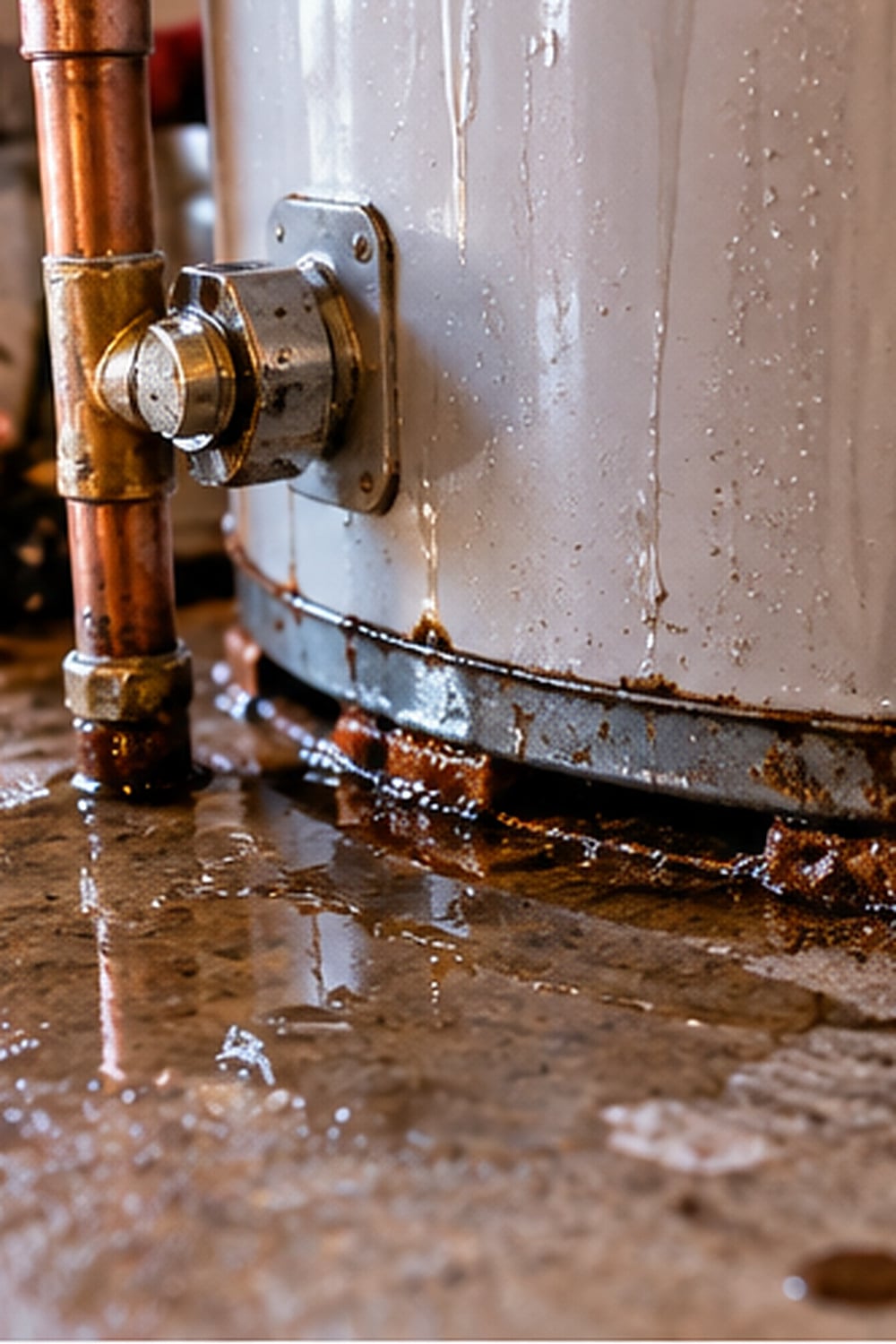
- Rusty or discoloured water: Brown or reddish hot water could indicate corrosion inside your water heater or an issue with your plumbing.
- Strange popping or rumbling noises: Sediment can build up at the bottom of a tank over time, sometimes causing unusual sounds when the water heats.
- Water pooling around the tank: Even a small leak deserves attention. Check for moisture around the base, valves, and pipe connections.
- An aging water heater: Traditional tank water heaters commonly last around 8-12 years, although maintenance, water quality, and usage can make a difference.
My biggest advice? Don't ignore the little warning signs. Having your water heater inspected before it completely fails could save you from an inconvenient (and potentially expensive!) surprise.
So how do you keep the kitchen warm in the meantime?
This is the part nobody writes about, and it's the part my family actually felt. A dead water heater doesn't just mean cold showers. In a lot of homes, including ours, the tank sits in a utility closet doing quiet double duty as a mild heat source for the floor above it.
What worked for us:
- Closed every door we didn't need, then opened the ones on the sunny side of the house around ten in the morning.
- Ran the oven more than usual, deliberately. Bread, a casserole, anything that keeps the kitchen warm for an hour after you're done.
- Set out the heavy mugs and tea. Sounds soft. Kept everyone from complaining, which is worth something.
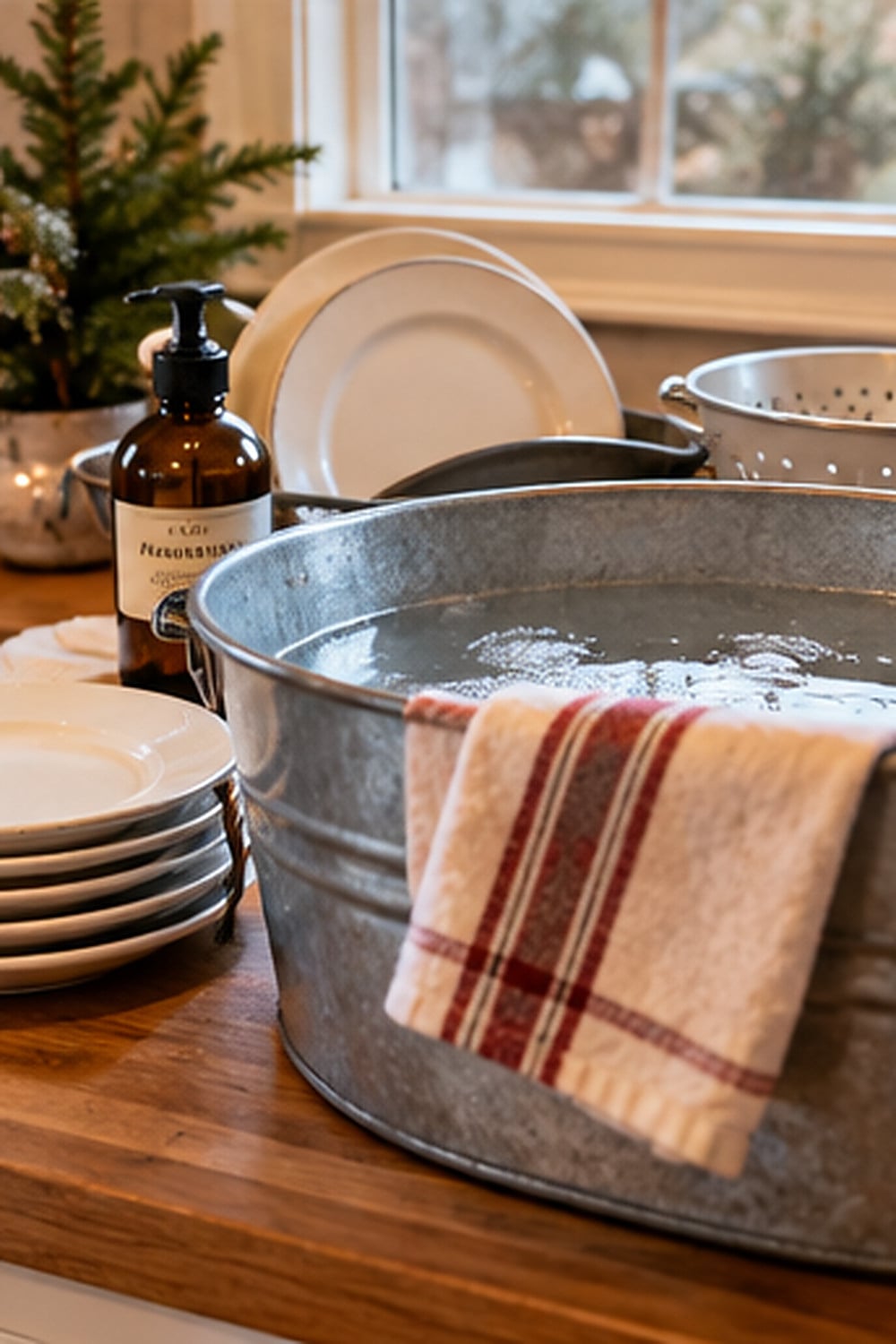
- Boiled a big pot of water in the morning, poured it into two coolers, and used it for dishes and quick wash-ups all day.
According to the Department of Energy, water heating is one of the largest single energy expenses in a typical home, which is exactly why the replacement decision deserves a real ten minutes instead of a panic purchase. I'd rather run the oven for three days than buy the wrong tank in three hours.
How to Get Through 48 Hours Without Hot Water
There's nothing quite like realizing how much you rely on hot water until you suddenly don't have it! From washing dishes to bathing the kids, those everyday routines become a little more complicated.
If you're waiting for a water heater repair or replacement, a few simple adjustments can make life much easier.
- Keep meals simple. This is a great time for slow cooker dinners, one-pot meals, and recipes that don't leave behind a mountain of dirty dishes. The fewer pots and pans you need to wash, the better!
- Heat water as needed. You can safely heat small amounts of water on the stove for washing dishes or basic cleaning. Always allow it to cool to a safe temperature before using it, especially around little ones.
- Make a temporary shower plan. If your hot water will be out for more than a day, consider using a family member's shower or arranging another convenient option.
- Embrace the cozy comforts. Pull out the soft blankets, make a warm drink, light a few candles, and enjoy some extra family time in the kitchen.
A broken water heater isn't exactly how anyone wants to spend a winter weekend, but a little preparation can make those couple of days much more manageable.
Repair or replace: my honest rule of thumb
Here's the framework we used, and I've handed it to two neighbors since. Call it the Kitchen Table Math. Three questions, asked in order.
- First: how old is the tank? If it's past a decade, you're on borrowed time no matter how good the repair estimate looks, and a second failure mid-winter is a real possibility. If it's five years old and the leak is a fitting, fix the fitting.
- Second: where is the water coming from? From a valve, a fitting, or the drain pan below the tank, that's a repair conversation. From the tank body itself, weeping through the steel, that's replacement. Full stop. You can't patch a corroded tank, and anyone who offers to is selling you a season, not a solution.
- Third: what does your winter look like? If you're hosting, if you've got family staying through New Year's, if the guest bathroom is about to see more traffic than it has all year, buy capacity for the worst week, not the average one. Two showers running back to back is the real test, and a smaller tank fails it every time.
That's it. Age, source, season. Most homeowner regrets I've seen come from skipping question two because the answer was inconvenient.
Questions to Ask Before Replacing Your Water Heater
If your water heater needs to be replaced, it's tempting to just choose the quickest available option, especially when you've got a house full of people waiting for hot showers!
But replacing a water heater is a significant home expense, and asking a few questions beforehand can help you make a better long-term decision.
Here's what I recommend asking your plumber or water heater technician:
- Can my existing water heater be repaired? Sometimes a faulty component can be replaced without needing an entirely new unit.
- What size water heater does my family need? Consider how many people live in your home and how much hot water you use during busy mornings and evenings.
- Should I choose a traditional tank or tankless water heater? Ask about the upfront costs, energy efficiency, maintenance, and whether your home's plumbing or utilities would need upgrades.
- What's included in the installation quote? Confirm whether labour, materials, permits, and removal of your old water heater are included.
- What warranty comes with the new unit? Understanding both the manufacturer's warranty and installation warranty can save you headaches later.
- Are there any maintenance requirements? Ask what you should be doing annually to help your new water heater last as long as possible.
One thing I've learned as a homeowner is that keeping track of maintenance and building relationships with reliable local professionals makes such a difference.
A little planning now can prevent a lot of unnecessary stress when something eventually goes wrong!
What I'd tell the version of me from that December
Ask for a written scope before anyone starts. Ask what happens to the old tank. Ask whether the permit is included, because in a lot of jurisdictions it isn't unless you say something. None of that is dramatic. All of it matters.
The trades have a labor problem that makes this more pressing than it used to be. The Bureau of Labor Statistics tracks plumbers, pipefitters, and steamfitters as a field where demand has stayed steady while experienced workers retire, which means the good crews book out further than they used to. When our tank failed, the company that answered on a Saturday and knew our address from four previous visits got the job. The three I called cold either didn't pick up or quoted me a window three days out.
Water Heater FAQ
If your water heater stops working, start by checking for visible leaks or signs of damage. If the tank is leaking, turn off its power or gas supply and shut off the cold water inlet, provided you can do so safely. Take a few photos of the unit and contact a licensed professional to determine what went wrong. If you smell gas, leave the area immediately and contact your gas utility or emergency services from a safe location.
There are several reasons your home might suddenly have no hot water, including a tripped breaker, faulty heating element, thermostat issue, or problem with the gas supply. Sometimes it's a relatively simple repair, while other situations require replacing the entire unit. A qualified technician can help identify the problem safely.
It depends on the age of your water heater and where the problem is coming from. If your unit is relatively new and the issue involves a valve or fitting, a repair may be worthwhile. However, if your water heater is over 10 years old or the tank itself is leaking due to corrosion, replacement is often the more practical long-term solution.
Living without hot water for a few days isn't ideal, especially during the busy holiday season! Heat small amounts of water safely for washing dishes and basic cleaning, and make sure the water has cooled to a comfortable temperature before using it. Keep a few extra blankets nearby, prepare warm drinks, and embrace simple comforts while you're waiting for repairs.
A traditional water heater isn't designed to heat your home, but a warm tank can release a small amount of heat into the surrounding utility space. When it stops working, you might notice a slight temperature difference nearby. Your home's regular heating system should still maintain a comfortable indoor temperature, unless it relies on the water heater for space heating.
Focus on simple comforts that make your kitchen feel welcoming. Light a few candles, bring out your favourite mugs, add cozy textiles, and enjoy a little baking if you were already planning to cook. Normal cooking can add some warmth to the kitchen, but never use your oven or stovetop as a substitute for home heating.
Regular maintenance makes a big difference! Keep track of your water heater's age, schedule recommended inspections, and pay attention to unusual noises, leaks, or inconsistent hot water. Having the contact information for a trusted local service company before something breaks can save a lot of stress during the busy winter months.
The part that actually made the week fine
One thing I didn't expect: the house felt smaller in a good way. No showers meant everyone gathered in the kitchen because that's where the warmth and the food were. We lit candles we'd been saving for company. We made cocoa on the stove twice a day, and I got more time with my sister in four days than I usually get in a year. You can't schedule that.
What you can schedule is a service plan before anything breaks, a written record of what your house has been costing you, and the number of a company that answers the phone. Ours came from a relationship, not a search. If your tank is older than your youngest kid, get ahead of it this month. It's a lot easier to choose a replacement on a Tuesday afternoon than to defend one on a Saturday night with six people waiting on hot water.


As Seen on TikTok
Come behind the scenes of our farmhouse build, decor projects, and cozy everyday life. Tap a video to watch, then follow @nikkisplate on TikTok for more.
Watch this video on TikTok
Watch this video on TikTok
Watch this video on TikTok





Leave a Reply