
Discover simple, everyday home improvements that boost value without major renovations. Practical, budget-friendly ideas to make your home work better and last longer.
There's something so comforting about creating a home that truly works for your everyday life. But with rising interest rates and limited housing options, more homeowners are choosing to stay put and make thoughtful improvements instead of starting over somewhere new. The good news? You don't need a full renovation to make a meaningful impact-sometimes the smallest updates can make the biggest difference.
When it comes to adding value to your home, it's easy to think you need a major remodel. In reality, focusing on simple, practical improvements often creates a space that feels more functional, more efficient, and more enjoyable to live in day-to-day. From maintaining the essentials to making small upgrades that improve how your home flows, these changes build long-term value in a way that feels manageable and sustainable.
In this post, we're diving into everyday home improvements that truly make a difference-without the overwhelm of a large project. Whether you're looking to boost your home's value, improve your comfort, or simply create a space that feels a little more like you, these ideas will help you get there one simple step at a time.
Fixing the Basics That Actually Matter
Most homeowners think value comes from big renovations, yet the real impact often comes from handling the basics first. Structural elements, systems, and maintenance tasks shape how a home performs long before any visual upgrades come into play.
Start with what protects the house. Roofing, plumbing, and electrical systems should always come first because problems in these areas spread quickly. A small leak, for example, can move from a ceiling stain to structural damage if left alone. Regular inspections help catch issues early, which keeps costs under control and avoids larger repairs later.
Heating and cooling systems also affect both comfort and value. Cleaning filters, servicing units, and checking insulation improve efficiency and reduce long-term expenses. These updates may not be visible, yet they directly influence how a home feels and functions.
This approach reflects a broader shift in how people think about homeownership. Instead of focusing only on appearance, more homeowners are prioritizing reliability and long-term performance.
Protecting the Exterior Before It Costs You
Exterior maintenance plays a larger role in home value than many people expect. It shapes first impressions, but more importantly, it protects everything inside. Weather exposure, especially in areas with heavy rain or seasonal changes, can wear down materials over time.
Roof care is a clear example of this. If you're looking for roofing contractors Portland has several experienced options that focus on long-term durability and proper installation. Investing in professional work here reduces the risk of leaks and extends the life of the structure, which directly supports property value.
Beyond roofing, siding and drainage systems also deserve attention. Cracks, gaps, or poor water flow can lead to damage that builds quietly over time. Cleaning gutters, sealing openings, and maintaining exterior surfaces help prevent these issues before they grow.
Paint and finishing also play a role, though not just for appearance. A well-maintained exterior layer protects against moisture and wear, which keeps the structure in better condition. These improvements combine visual appeal with practical protection, which buyers tend to notice.
Improving Daily Function Inside the Home
While structural updates create a strong foundation, daily function shapes how valuable a home feels to the people living in it. Small changes that improve how you move through a space often carry more weight than larger cosmetic upgrades.
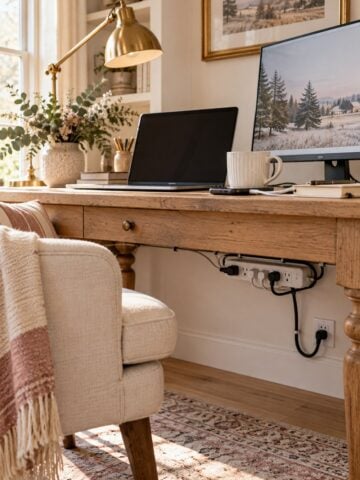
Storage is one of the simplest areas to improve. Adding shelves, organizers, or built-in units reduces clutter and makes rooms easier to use. This change alone can make a home feel more open without adding square footage.
Lighting also plays a key role. Replacing outdated fixtures or adding layered lighting improves visibility and comfort. Natural light matters just as much, so adjusting window coverings or clearing obstructions can make rooms feel brighter and more usable.
Flooring updates can also shift how a space feels. Replacing worn surfaces or maintaining existing ones improves both appearance and durability. These upgrades are practical because they affect how the home holds up over time.
These changes focus on function first, which aligns with how buyers and homeowners now evaluate spaces.
Making Kitchens and Bathrooms Work Better
Kitchens and bathrooms continue to influence home value, yet the approach to upgrading them has changed. Full remodels are no longer the default choice, especially with rising material and labor costs. Instead, targeted improvements often deliver better results.
In kitchens, improving layout and access makes a noticeable difference. Adding pull-out storage, reorganizing cabinets, and improving lighting over work areas can change how the space functions without major construction. Upgrading fixtures like faucets or handles also refreshes the space without large expenses.
Bathrooms benefit from similar adjustments. Replacing outdated fixtures, improving ventilation, and adding practical storage all contribute to better daily use. Ventilation is especially important because it prevents moisture buildup, which can lead to long-term issues.
These updates focus on usability rather than display, which reflects a broader trend toward practical living.
Increasing Efficiency to Lower Long-Term Costs
Energy efficiency has become a central concern as utility costs continue to rise. Homeowners are looking for ways to reduce expenses without sacrificing comfort, and small upgrades often provide the best return.
Sealing gaps around windows and doors reduces drafts and keeps indoor temperatures stable. Adding insulation in key areas also improves energy use, especially in older homes. These changes may seem minor, yet they can significantly lower heating and cooling costs over time.
Upgrading appliances to more efficient models also contributes to long-term savings. Even maintaining existing appliances properly, such as cleaning filters and checking seals, helps them perform better and last longer.
Smart thermostats and basic automation tools offer another layer of control. They allow homeowners to manage energy use more effectively, which aligns with the growing interest in reducing waste and improving efficiency.
These improvements add value by lowering ongoing costs, which makes a home more attractive both now and in the future.
Keeping Improvements Practical and Sustainable
One of the biggest changes in recent years is how people approach home improvement overall. Instead of chasing large, trend-driven projects, homeowners are focusing on steady, practical updates that hold value over time.
This shift is partly driven by economic conditions. Higher interest rates and uncertain markets have made people more cautious about spending, which leads to more deliberate decisions. Rather than overbuilding, the focus is on making the home work better in everyday life.
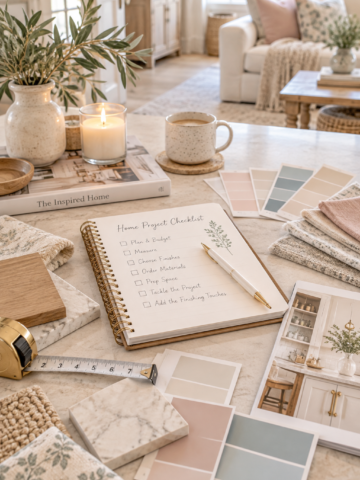
Taking a step-by-step approach also helps. Making one improvement at a time allows you to see what works and adjust as needed. This reduces waste and prevents unnecessary costs.
It also helps to think about long-term use. Improvements that support daily routines, reduce maintenance, and improve efficiency tend to stay valuable regardless of changing trends. These changes create a home that feels stable and functional, rather than one that needs constant updates.
Everyday improvements may not seem dramatic, yet they shape how a home performs and how it is perceived. Over time, these small changes build a space that works better, lasts longer, and holds its value in a way that large, rushed projects often do not.


As Seen on TikTok
Come behind the scenes of our farmhouse build, decor projects, and cozy everyday life. Tap a video to watch, then follow @nikkisplate on TikTok for more.
Watch this video on TikTok
Watch this video on TikTok
Watch this video on TikTok



Leave a Reply