
A thoughtful family kitchen design can make everyday life feel easier, more organized, and a little more beautiful. Here is everything you need to know!
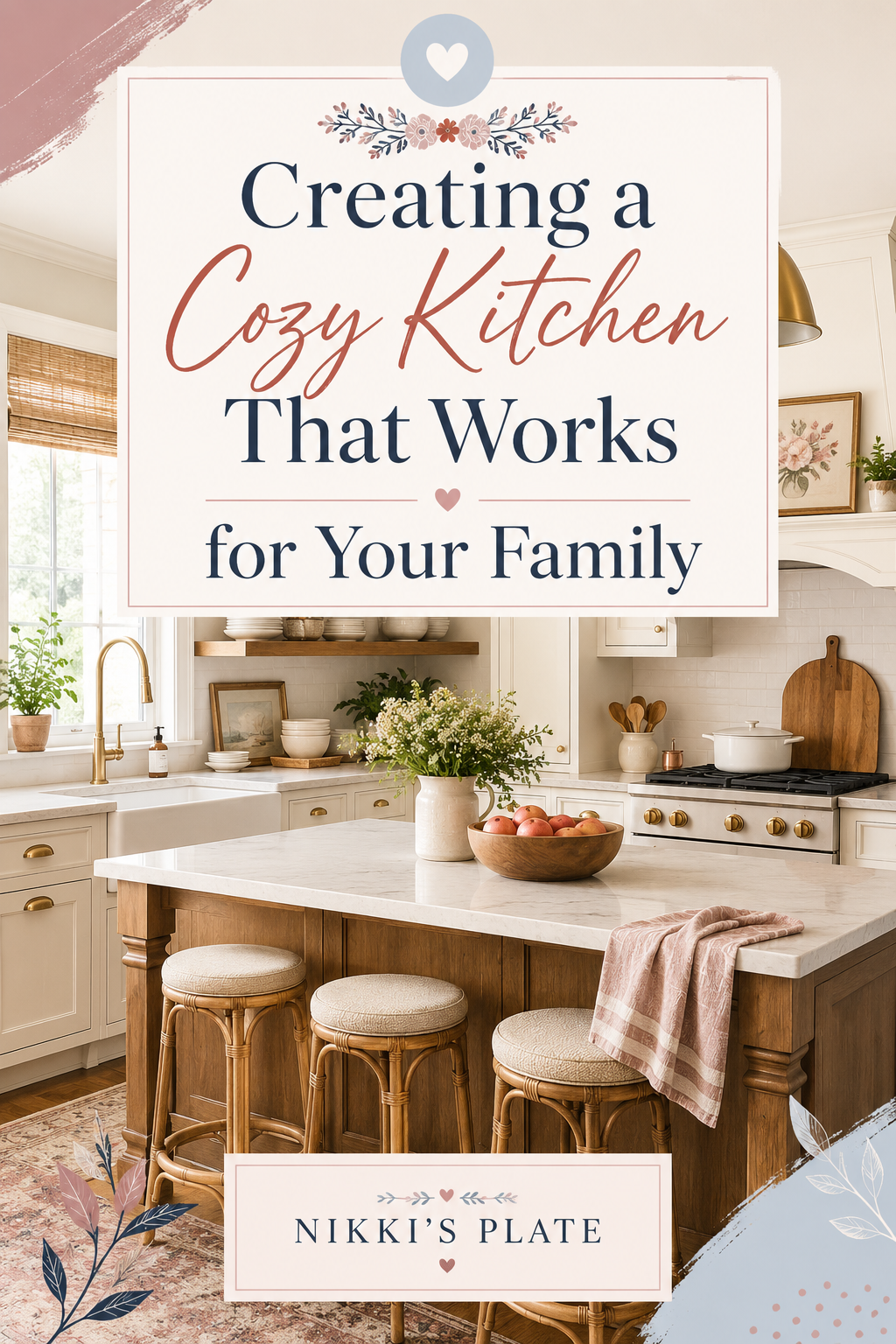
The kitchen is often called the heart of the home, and for good reason. It's where meals are prepared, conversations happen, and memories are made around the dinner table.
But a kitchen that looks beautiful isn't always a kitchen that functions well for a busy family. The best kitchens strike a balance between style and practicality, where everything has its place and cooking feels less like a chore and more like a joy.
Whether you're in the middle of a full renovation or simply looking to refresh your current space, creating a kitchen that serves your family's needs while reflecting your personal style is absolutely achievable. The key is understanding what matters most to you and your household, then building your kitchen design around those priorities. From storage solutions to layout decisions, every choice you make should support the way your family actually lives and eats together.
Understanding Your Family's Kitchen Needs
Before you start thinking about color schemes or cabinet styles, take time to honestly assess how your family uses the kitchen. Do you have young children who need safe, accessible snack storage? Are you an avid baker who needs dedicated counter space and organized baking supplies? Do multiple people cook at the same time, or is it typically one person managing meal prep? Understanding these patterns will guide every decision you make moving forward.
Consider traffic flow through your kitchen. Where do people naturally congregate? Is there a bottleneck near the refrigerator during busy mornings? Do kids struggle to reach everyday items they need? These observations might seem small, but they have a huge impact on how functional your space feels day to day. A kitchen that looks magazine-worthy but leaves your family frustrated isn't serving its true purpose.
Smart Storage Solutions That Actually Work
Storage is often the difference between a kitchen that feels organized and one that feels chaotic. The goal isn't necessarily to have more storage, but to have the right storage in the right places. Open shelving can be beautiful and functional if you're willing to keep items tidy and rotate what's on display. Closed cabinets work better for everyday items you want hidden away. Drawers with dividers keep utensils and tools from becoming a jumbled mess.
Think vertically when space is limited. Wall-mounted shelves, pegboards, and hanging racks can hold everything from cookbooks to frequently used pots and pans. Drawer organizers are worth the investment because they make it easy for everyone in your family to find what they need and return items to their proper place. When storage is intuitive, tidying up becomes less of a battle and more of a natural habit.
Designing a Layout That Flows
The classic kitchen work triangle connects the sink, stove, and refrigerator, and for good reason. These three points are where most kitchen activity happens. If they're too far apart, cooking becomes exhausting. If they're too close together, you'll feel cramped. The ideal distance between each point is between four and nine feet, though this varies depending on your space and how you cook.
Beyond the work triangle, think about where people naturally move through your kitchen. Is there a path from the entryway to the refrigerator that doesn't require squeezing past someone at the stove? Can someone unload groceries without blocking the cook? These flow patterns matter more than you might think, especially in a household with multiple people moving through the space at different times.
Choosing Finishes That Balance Beauty and Durability
Your kitchen finishes need to be both beautiful and practical. Countertops should be durable enough to handle daily wear from a busy family, whether that means a cutting board for meal prep or a child's art project. Backsplashes should be easy to wipe clean. Flooring should be forgiving enough to handle spills and foot traffic without showing every mark.
This doesn't mean sacrificing style for function. There are countless options that deliver on both fronts. Quartz countertops offer the look of natural stone with superior durability. Subway tile backsplashes are timeless and easy to maintain. Luxury vinyl flooring can mimic the appearance of hardwood or stone while being incredibly practical for a family kitchen. The key is choosing materials that align with your lifestyle and maintenance preferences.
Adding Personal Touches That Feel Like Home
Once the functional elements are in place, it's time to add the details that make your kitchen feel like yours. This might be a fresh coat of paint in a color that makes you happy, open shelving styled with a mix of practical items and meaningful objects, or a gallery wall of family photos. These touches don't require a big budget, but they transform a generic kitchen into a space that reflects your family's personality.
Lighting deserves special attention because it affects both how the space looks and how it functions. Layered lighting with overhead fixtures, task lighting over work areas, and perhaps some ambient lighting creates flexibility for different times of day and different moods. Good lighting makes cooking easier and makes your kitchen feel more inviting when you're gathering with family.
If you or someone in your family experiences an unexpected injury or accident at home, it's important to understand your rights and options. Resources like car accident lawyers in Boynton Beach can provide guidance on liability and compensation matters, though most families focus on prevention and safety first.
Making It Work for Everyone
A truly functional family kitchen is one where everyone can participate. Lower shelves or a step stool help children reach snacks and dishes. Clear labels on containers make it easy for anyone to find what they need. A designated homework or craft area keeps kids engaged while you cook. Open communication about kitchen organization helps everyone understand where things belong and why.
Regular maintenance and seasonal refreshes keep your kitchen feeling current and functional. This might mean reorganizing cabinets seasonally, deep cleaning appliances, or swapping out small décor items. These small efforts prevent the space from becoming cluttered or outdated, and they keep your kitchen working well for your family's evolving needs.
Conclusion
Creating a kitchen that works for your family is a journey, not a destination. Start with the functional elements that matter most to you, then layer in the style and personal touches that make the space feel like home. Whether you're working with a small budget or planning a full renovation, the principles remain the same: understand your family's needs, prioritize smart storage and flow, choose durable finishes, and add touches that reflect who you are. The result will be a kitchen that's not just beautiful to look at, but genuinely enjoyable to spend time in every single day.


As Seen on TikTok
Come behind the scenes of our farmhouse build, decor projects, and cozy everyday life. Tap a video to watch, then follow @nikkisplate on TikTok for more.
Watch this video on TikTok
Watch this video on TikTok
Watch this video on TikTok


Leave a Reply