
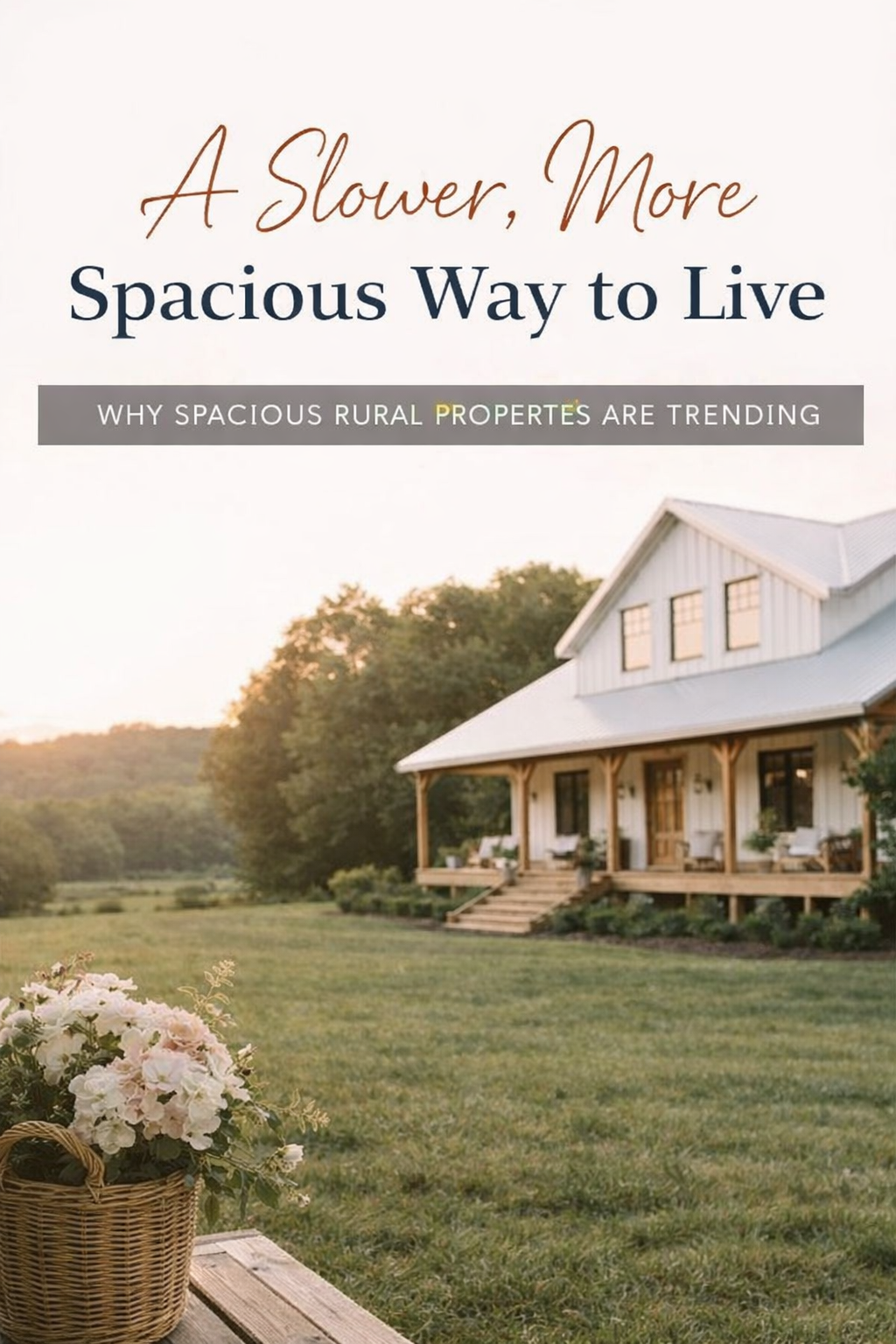
More people are choosing spacious rural properties over city living-and it's about more than just space. From barndominiums to remote work flexibility, here's why this lifestyle shift is gaining momentum.
Disclaimer: this post may contain affiliate links, and every purchase made through these links will give me a small commission (at absolutely no extra cost for you!) AS AN AMAZON ASSOCIATE AND REWARDSTYLE MEMBER, I EARN FROM QUALIFYING PURCHASES. See Privacy Policy for additional info.
For years, the spotlight shone brightly on city living. Talk to anyone back then about the ideal living space, and they'd most likely mention walkability, compact interiors, and a non-stop parade of hustle and bustle right outside the door. A fast-paced and often considered 'efficient' way of living, the notion was that the city was somehow the epicentre of it all - literally, being only a short distance away.
For years, people have had the choice to move toward the sea or the mountains, or to escape to a weekend home in the country or by the ocean. But lately, more people are looking outward, too - seeking something more, open spaces, new homes, places where the ceilings are higher and the sense of speed is slower.
Large tracts of rural land are no longer a luxury afforded only to working farmers or retirees looking to spend their days fishing. Many working creators, remote workers, and families today are seeking large plots of land to achieve a more stable, self-directed life. The trend is about moving from one location to another for work, school, or play rather than just fleeing from the stresses and uncertainties of urban and suburban life. It is about creating a life with much more purpose and meaning rather than just a long commute and cramped living space.
The Rise of Barndominiums
One of the clearest signs of this movement is the growing interest in barndominiums.
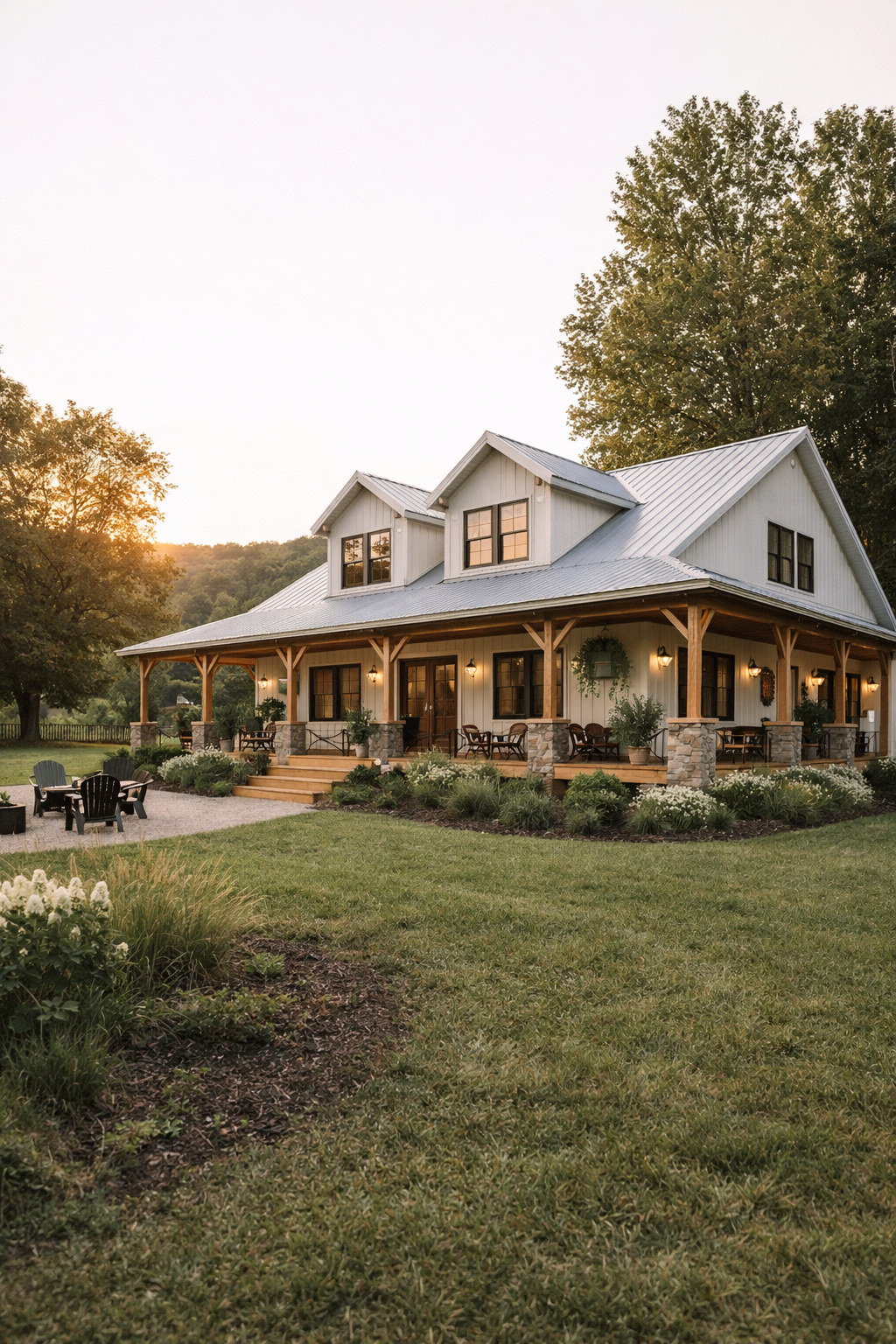
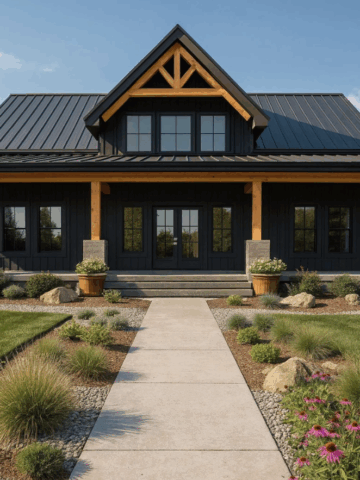
What began as a practical housing solution has evolved into something more flexible and design-driven. A barndominium blends the structure of a barn with the comfort of a modern home. High ceilings. Open layouts. Durable materials. Wide doors that let natural light pour in. The look is simple and adaptable, which makes it easy to personalize.
Interest in barndominiums in Indiana has steadily increased as buyers search for affordable land paired with customizable living space. These homes often cost less to build than traditional houses, while offering more square footage and versatility.
But the appeal goes deeper than price. A barndominium represents utility and creativity living under one roof. A workshop beside a kitchen. A studio steps away from a living room. It supports the idea that your work and your home life do not have to compete for space or sit miles apart in traffic.
For people rethinking how they live and work, that kind of flexibility feels timely.
Space to Create and Build
For creators and media professionals, space is not just about comfort. It is about possibility.
When you live in a small apartment, you spend all day arguing about every single decision. You fold your yoga mat, your iron, your massaging foot roller, your foam roller, and your neck and back rollers, and put them all away in the closet. You schedule phone calls because the background noise is unpleasant. You argue over where to put your belongings. You feel like you are constantly struggling to contain yourself in your own body.
A rural property changes that dynamic.
We converted an extra room into a podcast studio. We repurposed our detached structure into a photography space. We also use our large garage as a workshop and production area. We have also repurposed our outdoor land for filming and, on occasion, for intimate events.
The environment starts to work for us rather than against us. There is more natural light available for visual work. There is less noise, which helps us concentrate. We are further away from distractions, which provides more opportunity for focus.
When we all exclaim "we need more space," we're usually not just referring to the square footage of our homes, but to our mental space as well. Wherever we choose to call home, we need a healthy balance between intimacy and solitude. As humans, we naturally yearn for freedom yet also require comfort. Which is why living in a rural landscape can make so much sense.
Financial Breathing Room
Housing prices in cities continue to rise. Apartment prices for smaller units are rising, as is the cost to renovate them. So-called ad valorem property taxes, which are charges based on the value of real estate, are also on the increase.
Large rural properties present a different set of financial calculations. Often, you can buy more land for the same money, and sometimes there is less competition for the same property. In some cases, you can buy a block of land and build your own home, rather than have to spend money on an old dwelling.
That breathing room matters.
It can mean allocating funds to business growth rather than rent. It can mean investing in equipment, education, or marketing. It can mean fewer compromises between lifestyle and professional ambition.
Yes, there are costs. Utilities and transportation are a couple. But to many people, the value aligns with their long-term plans.
It's not a financial decision. It's a decision about what you can build.
Remote Work Redefined Location
The shift to remote work was more than just a disruption to the way we spend our days. It became a doorway to entirely new places to call home.
When work is no longer tied to a commute, then location becomes a matter of preference. This has led to a lot more contemplation of what a remote worker's workspace and broader living environment will look like.
A spacious rural property offers privacy for video calls. Consistency without traffic delays. A backyard instead of a balcony. The ability to step outside between meetings and reset.
For online class educators, virtual workshop consultants, and digital content creators, the office is no longer bound to a fixed location at home. The fact that we can now take our office with us means we have more opportunities to rearrange our living and work space to better suit our needs, such as downsizing into a smaller home to have more space and less stress.
This is not about rejecting cities. It is about expanding options.
Community in a Different Form
Is rural life truly isolated? There is the common notion that rural life means being isolated. However, being in a community is not determined by one's level of rurality or urbanity. Rather, the definition of community may differ.
Instead of hanging out with the same people every day, we tend to form relationships around our interests or activities happening in our local area. Some common examples include: going to the local farmers market, joining small business networks or co-ops, attending events or meetups for creatives, attending local workshops or classes, and in-person meetups of online groups or forums.
Lots of space. We periodically work from a house that has plenty of extra space. Sometimes this space turns into an event space. We run retreats, record collective brainstorming sessions, and host small workshops.
The scale may be smaller. The pace may be slower.
But the connection still exists, and often with greater intention.
A Return to the Tangible
Modern work is increasingly digital-screens, metrics, notifications, endless streams of information.
Spacious rural properties offer something physical in contrast.
We can see all the weather that happens on our property. We can hear changes in the wind before storms roll in. We have our own private space. We can fix anything that breaks. We plan for seasons far in advance. That rhythm feels grounding.
For creators whose work lives mostly online, tangible projects can provide balance-planting a garden, framing a wall, and clearing a path. These tasks anchor you in visible progress.
It's also becoming more tangible, to the point where we can literally measure and see the growth in data and in life.
Designing for Flexibility
Another reason rural properties are drawing attention is adaptability.
The house was designed to buy time by occupying a larger site than it requires. Ideally, this house will begin as a small residence, which will later expand to include a studio or attic bedroom and subsequent additions of storage, a guest house, and a flex space as required.
Whereas many suburban neighborhoods have land available for expansion, due to rigid zoning and smaller parcel sizes, the rural landscape can offer a property owner a blank slate for future design and expansion.
That flexibility encourages long-term thinking. Instead of moving each time your work or family grows, you can adapt where you are. It is stability without rigidity.
The Emotional Pull of Open Space
Open space changes how people feel.
This is one of the most profoundly calming and subtle effects of the open space; it slows down the nervous system. It reduces ambient noise. It creates literal space and figurative space to breathe.
In an open field, you encounter a different kind of contemplation on building a home. In open space, the nature of your decisions and the pace of your thought process will be very different from those you have ever experienced before. Time is not as precious or scarce here because the rhythm and cadence of life has expanded out in time and space. You have room to conceive not only the structure of your home but its purpose as well.
Whatever the reason, it is largely immeasurable. Yet it is very significant in our decision-making.
The reason for this increase in interest in larger rural estates is due to a different definition of success and happiness. Most are finding that it is not where they are in relation to "activity" but rather where they can own their time, space, and direction in life.
This movement may appear to be a trend from the outside. From the inside, it feels like a thoughtful transition.

As Seen on TikTok
Come behind the scenes of our farmhouse build, decor projects, and cozy everyday life. Tap a video to watch, then follow @nikkisplate on TikTok for more.
Watch this video on TikTok
Watch this video on TikTok
Watch this video on TikTok

Leave a Reply