
Create a backyard for entertaining that feels welcoming, functional, and easy to host in. These simple backyard design tips cover guest flow, seating zones, conversation areas, comfort, and outdoor hosting ideas to help your space feel effortless and inviting.
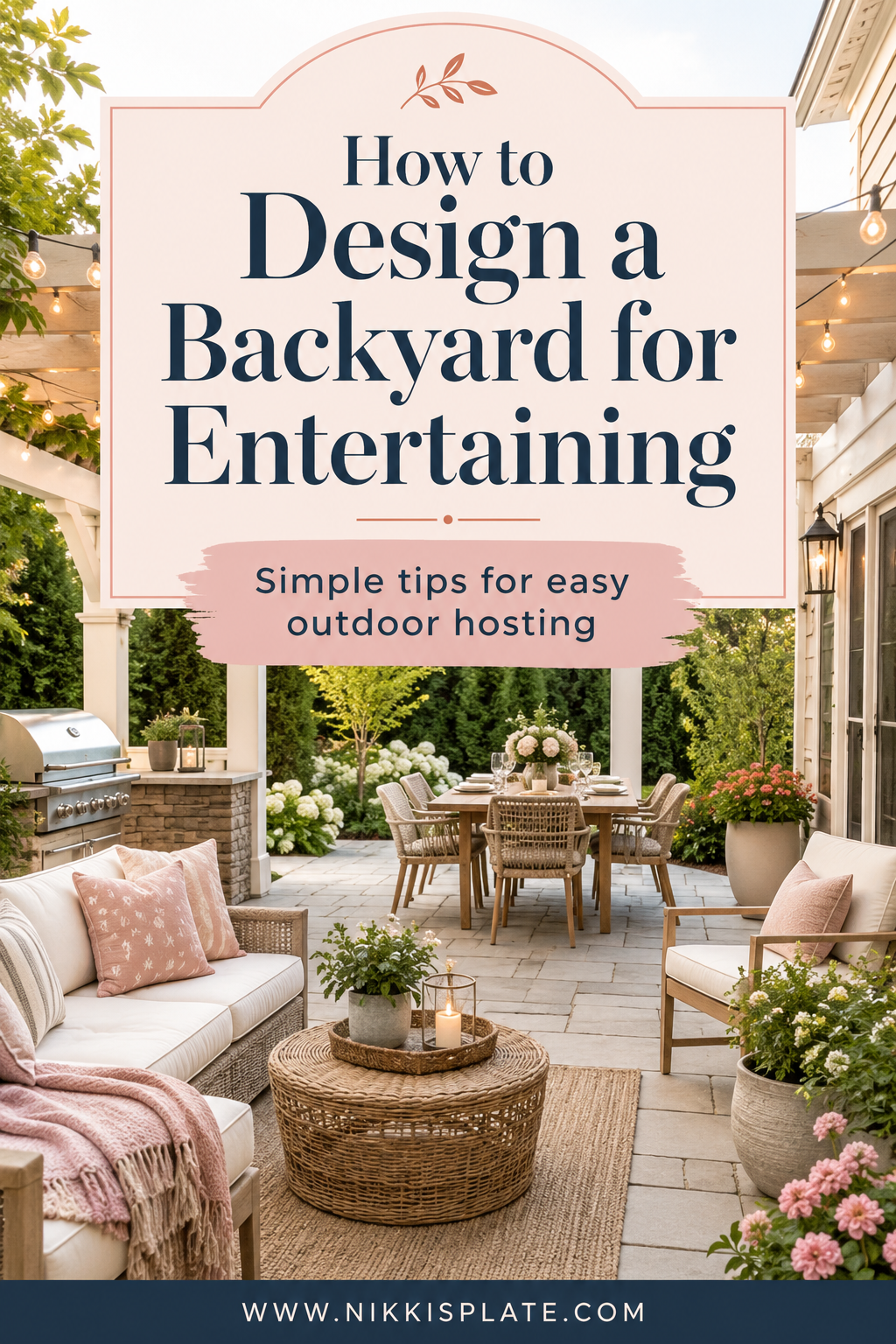
Entertaining at home is less about the space itself and more about how people feel in it. Some backyards look great but fall flat during gatherings because they don't support movement, conversation, or comfort. Others feel effortless, where guests naturally settle in, interact, and stay longer than expected.
The difference often comes down to how the space is designed around behavior rather than just appearance. When a backyard is planned with people in mind, it becomes easier to host without constantly managing the environment.
Instead of focusing only on features, it helps to think about how guests arrive, move, gather, and relax throughout an event.
Designing for Natural Guest Movement
One of the most overlooked aspects of entertaining is how people move through a space. Guests rarely stay in one spot. They circulate, grab food, find seating, and join different conversations. If the layout interrupts that flow, the entire experience feels less comfortable.
Wide, unobstructed pathways make a noticeable difference. People should be able to move between areas without squeezing past furniture or navigating tight corners. When movement feels natural, the space feels more open and welcoming.
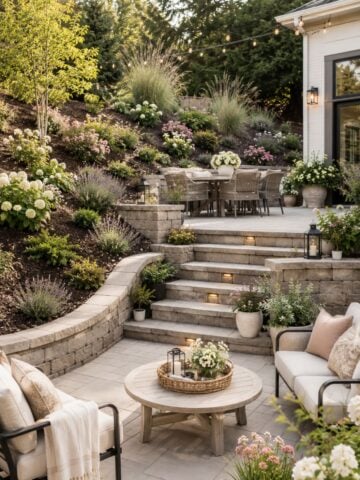
This is where thoughtful backyard landscaping becomes important. Instead of just decorating the yard, it can guide movement subtly, using pathways, spacing, and layout to direct how people experience the space.
Creating Multiple "Energy Zones" Instead of One Big Area
Not every guest interacts the same way. Some prefer lively conversation, while others gravitate toward quieter corners. A backyard designed for entertaining should support both without forcing everyone into a single environment.
Instead of one large gathering area, it helps to create different "energy zones." A more active space might include dining or group seating, while a quieter corner offers a place to relax and talk without noise.
This approach prevents overcrowding and allows guests to choose how they want to engage. It also makes the space feel larger and more dynamic without increasing its size.
Making Hosting Feel Effortless, Not Busy
A common mistake in backyard design is placing too much responsibility on the host during events. If you constantly have to move between areas, manage setup, or adjust the space, it becomes harder to actually enjoy the gathering.
Designing for convenience changes that. Keeping frequently used elements within easy reach reduces unnecessary movement. When food, seating, and key areas are logically arranged, hosting becomes smoother and less stressful.
The goal is to create a space that supports hosting naturally, so the environment works for you instead of requiring constant attention.
Using Structure to Anchor the Space Without Closing It Off
Open backyards can sometimes feel undefined, especially during gatherings. Without structure, guests may not know where to settle, leading to scattered interactions. Adding a sense of structure helps anchor the space without making it feel closed in.
Features like pergolas in Ottawa can create a visual center that naturally draws people in. These structures provide a sense of place while still keeping the area open and breathable.
When used thoughtfully, structural elements give the backyard identity. They help organize the space without relying on walls or barriers.
Designing for Conversation, Not Just Seating
It's easy to add seating, but not all seating encourages interaction. Long rows or disconnected chairs can make conversation feel awkward or forced. The arrangement matters just as much as the furniture itself.
Seating should face inward or be grouped in a way that supports eye contact and easy communication. Smaller clusters often work better than one large arrangement, especially for larger gatherings.
This subtle shift makes conversations feel more natural. Guests don't have to adjust their position or raise their voices to connect with others.
Allowing the Space to Adapt Throughout the Event
Backyard gatherings rarely stay the same from start to finish. What begins as a casual meet-up may turn into a longer evening event. The space should be able to adapt without needing major changes.
Flexible layouts make this possible. Areas that work during the day should transition easily into evening use. Lighting, seating, and flow should all support this shift naturally.
When the space evolves with the event, it feels more intuitive. Guests stay comfortable as the atmosphere changes.
Reducing Friction in Social Interaction
The best entertaining spaces remove small inconveniences that interrupt the experience. Things like unclear pathways, limited access to seating, or awkward layouts can subtly affect how people interact.
Good design reduces these friction points. Guests should not have to think about where to go, where to sit, or how to move through the space. Everything should feel obvious without explanation.
This creates a more relaxed environment where people can focus on enjoying themselves rather than navigating the space.
Making the Space Feel Inviting Before Guests Arrive
The experience of a backyard starts before the gathering even begins. When a space looks inviting and ready, it sets the tone for the entire event. Guests feel more comfortable as soon as they arrive.
Simple visual cues, like balanced layouts and clear focal points, help create this impression. The space should feel prepared without looking overly staged.
This sense of readiness makes hosting feel more intentional. It shows that the environment has been designed with care.
Bringing Comfort and Function Together Naturally
At its core, a backyard designed for entertaining should feel easy to use and enjoyable to spend time in. It should support conversation, movement, and relaxation without requiring constant adjustment.
When layout, structure, and flow are aligned, the space begins to work naturally. Guests settle in quickly, interactions feel effortless, and the overall experience becomes more memorable.
By focusing on how people actually use the space rather than just how it looks, homeowners can create a backyard that truly supports entertaining in a meaningful way.


As Seen on TikTok
Come behind the scenes of our farmhouse build, decor projects, and cozy everyday life. Tap a video to watch, then follow @nikkisplate on TikTok for more.
Watch this video on TikTok
Watch this video on TikTok
Watch this video on TikTok

Leave a Reply