
Learn how to pair food and water to enhance flavor, balance meals, and elevate your dining experience with simple, practical tips.
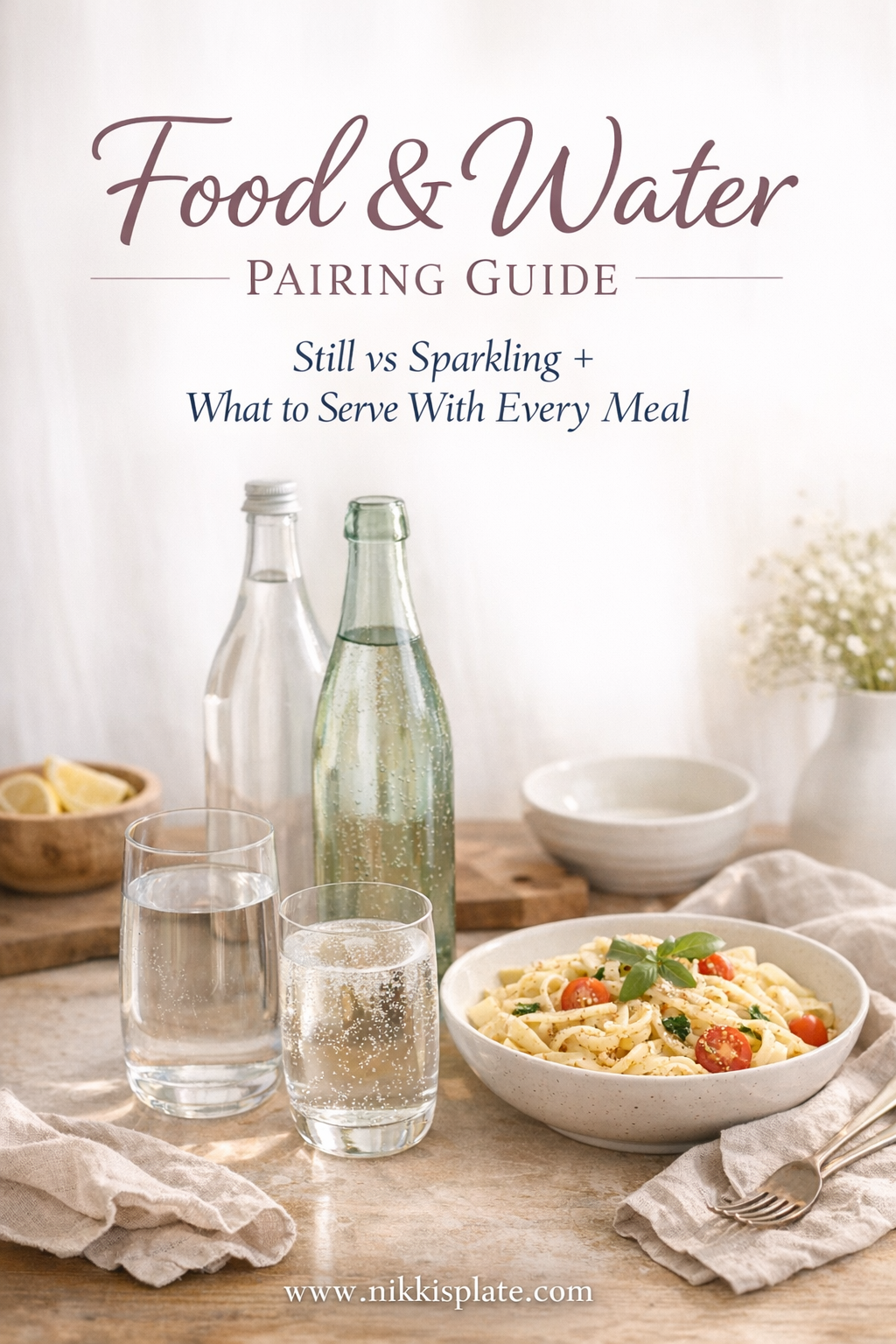
A well-prepared meal is often judged by its flavors, textures, and presentation, but one element is frequently overlooked: water. While wine pairings tend to dominate conversations around dining, water plays an equally important role in shaping how we experience food. The type of water you serve can influence taste perception, cleanse the palate, and subtly enhance the overall meal.
Understanding how to pair food and water isn't about overcomplicating your table; it's about refining the details that elevate a meal from routine to memorable. With a few thoughtful choices, you can create a more balanced and enjoyable dining experience for yourself and your guests.
Why Water Pairing Matters More Than You Think
Water is often seen as neutral, but it carries its own characteristics. Mineral content, carbonation, and temperature all affect how water interacts with food. These factors can either highlight or mute certain flavors on the plate.
For example, highly mineralized water may add a subtle complexity that complements rich dishes, while softer water can allow delicate flavors to shine. Similarly, sparkling water introduces texture through carbonation, which can cut through heavier meals and refresh the palate between bites.
When chosen thoughtfully, water acts as a bridge between courses, helping to maintain balance and prevent flavor fatigue.
Understanding Different Types of Water
To pair water effectively, it helps to understand the main categories available:
- Still Water: Still water is often the most versatile option. It doesn't compete with flavors, making it ideal for lighter dishes such as salads, seafood, and vegetable-based meals.
- Sparkling Water: With its effervescence, sparkling water adds a refreshing contrast. It works particularly well with fried foods, creamy dishes, and rich meats, as the bubbles help cleanse the palate.
- Mineral Water: Mineral water contains naturally occurring minerals that can subtly influence taste. Depending on its composition, it may bring a slightly crisp, smooth, or even mildly salty note that complements certain dishes.
Choosing between these options depends on the overall profile of your meal and the experience you want to create.
Pairing Water With Different Types of Dishes
Just as with other beverages, balance is key when pairing water with food. Here are some practical guidelines:
- Light and Fresh Dishes: Meals like salads, grilled vegetables, and seafood benefit from still or lightly mineralized water. These options won't overpower delicate flavors and allow the ingredients to remain the focus.
- Rich and Creamy Foods: Dishes such as pasta with cream sauces, risotto, or buttery mains pair well with sparkling water. The carbonation helps cut through richness and refresh the palate.
- Spicy Meals: When serving spicy food, still water is often the better choice. Sparkling water can sometimes intensify the sensation of heat, while still water provides a more soothing balance.
- Hearty and Savory Plates: For heavier dishes like roasted meats or stews, mineral water with a slightly higher mineral content can complement the depth of flavor. The added structure of the water matches the intensity of the meal.
These pairings aren't strict rules but rather helpful starting points. Adjusting based on personal preference is always encouraged.
Elevating the Experience With Thoughtful Details
Beyond the type of water itself, presentation and serving choices also play a role in the dining experience. Serving water at the right temperature, using appropriate glassware, and offering both still and sparkling options can make a noticeable difference.
This is where quality becomes particularly relevant. Choosing a well-balanced mineral water sourced from a clean, natural environment can subtly enhance the overall meal without drawing attention away from the food. For example, selecting something like Chiarella, known for its alpine origin, can add a refined touch to the table while maintaining a neutral, complementary profile.
When planning a meal, consider offering guests a choice between still and sparkling water. This small gesture allows individuals to tailor their experience and feel more engaged in the dining process.
Making Water Part of Your Dining Routine
Incorporating water pairing into everyday meals doesn't require a formal setting or elaborate preparation. It's about building small habits that improve the overall experience.
Start by thinking about balance. If your meal is rich, choose something refreshing. If your dish is light, opt for water that won't overshadow it. Over time, these decisions become intuitive.
For those looking to explore further, experimenting with different mineral profiles can be an interesting way to refine your palate. Chiarella provides bottled water, which serves as a natural reference point for understanding how water quality and origin can influence taste. Paying attention to these subtleties can deepen your appreciation for both food and drink.
It's also worth noting that water can act as a reset between courses. Taking a moment to sip water before moving on to the next dish helps maintain flavor clarity and keeps the experience consistent from start to finish.
Common Mistakes to Avoid
While water pairing is relatively simple, there are a few common pitfalls that can diminish its impact:
- Serving water too cold: Extremely cold water can dull taste buds, making it harder to appreciate the nuances of a dish.
- Ignoring variety: Offering only one type of water limits the experience, especially during multi-course meals.
- Overlooking quality: Just as ingredients matter in cooking, the quality of water can influence the overall result.
- Pairing without intention: Choosing water at random rather than considering the meal can lead to imbalanced pairings.
Avoiding these mistakes ensures that water remains a supportive element rather than an afterthought.
Conclusion
Pairing food and water is a subtle but effective way to enhance any dining experience. By considering factors such as mineral content, carbonation, and balance, you can create a more thoughtful and enjoyable meal without adding complexity.
Whether you're hosting a dinner party or simply preparing a weeknight meal, paying attention to water selection helps tie everything together. Small adjustments-like matching sparkling water with rich dishes or choosing still water for lighter fare-can make a noticeable difference.
Ultimately, the goal is not perfection but awareness. When water is treated as an integral part of the table, it becomes another tool for creating meals that feel complete, balanced, and satisfying.


As Seen on TikTok
Come behind the scenes of our farmhouse build, decor projects, and cozy everyday life. Tap a video to watch, then follow @nikkisplate on TikTok for more.
Watch this video on TikTok
Watch this video on TikTok
Watch this video on TikTok





Leave a Reply