
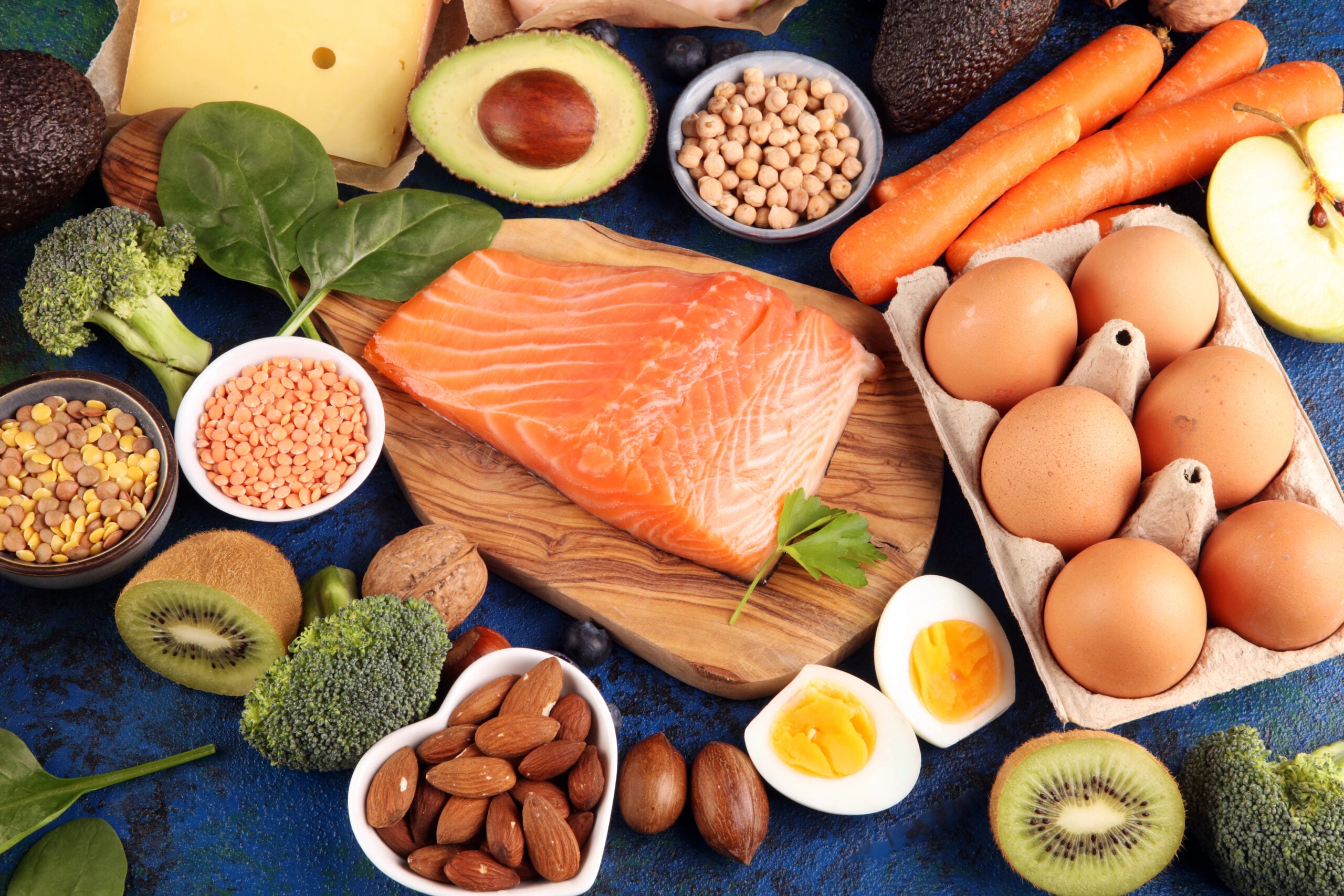
Protein has become a central focus in everyday nutrition, and for good reason. It supports muscle function, helping you stay satisfied between meals and maintaining overall energy levels throughout the day.
But increasing your protein intake doesn't mean you need to rely on repetitive meals or strict routines. With a few practical adjustments, you can incorporate more protein into foods you already enjoy without overcomplicating your diet.
1. Start Your Day Strong (Without the Same Old Eggs)
Breakfast is one of the easiest opportunities to add more protein, yet it often defaults to carb-heavy options that don't keep you full for long. While eggs are a reliable choice, they're not the only option.
One increasingly popular alternative is protein coffee from Javvy Coffee. It's a simple way to pair caffeine with added nutritional value, especially for those who prefer a quick, drinkable breakfast. It can also help support satiety early in the day without requiring extra prep time.
Beyond coffee, consider options like Greek yogurt with fruit, overnight oats made with milk or protein powder, or whole-grain toast topped with nut butter. These choices are easy to prepare and offer a more balanced start than sugar-heavy cereals or pastries.
2. Upgrade Your Favorite Comfort Foods
Adding protein doesn't require eliminating familiar meals. In many cases, it's about making small adjustments to increase the nutritional value of what you're already eating.
For example, you can mix Greek yogurt into pasta sauces for added protein and creaminess. Cottage cheese or silken tofu can be blended into scrambled eggs, soups, casseroles, or even mashed potatoes. These additions are subtle but effective.
You can also look for higher-protein versions of common ingredients, such as legume-based pasta or wraps made with added protein. These swaps don't drastically change the flavor or texture but can help increase your overall intake without requiring major changes to your routine.
3. Snack Smarter (and Actually Stay Full)
Snacking is another area where protein can make a noticeable difference. Many common snack foods are low in protein and may leave you feeling unsatisfied shortly after eating.
Incorporating protein-rich snacks can help maintain energy levels and reduce the likelihood of overeating later. Options like hard-boiled eggs, cheese, roasted chickpeas, or a handful of nuts are simple and accessible. Pairing protein with fiber, such as apple slices with nut butter, can further support fullness.
4. Give Your Smoothies a Major Boost
Smoothies offer a flexible way to increase protein intake, especially for those who prefer lighter meals or quick options. While fruit-based smoothies are common, they can be low in protein unless additional ingredients are included.
Protein powder is the most direct option, but there are other effective additions. Greek yogurt, kefir, or milk can increase protein while improving texture. For plant-based options, ingredients like silken tofu, chia seeds, or hemp seeds can provide a similar boost.
Balancing ingredients is key. Combining protein with healthy fats and carbohydrates helps create a more complete and satisfying option, rather than a drink that leaves you hungry shortly after.
5. Rethink Your Carbs
Carbohydrates are often the foundation of many meals, but they don't have to be low in protein. Choosing the right types of carbs or pairing them strategically can help increase your overall intake without changing how you eat.
For example, grains like quinoa, farro, and bulgur naturally contain more protein than refined grains. Swapping white rice for these options can add variety while contributing additional nutrients.
Another practical approach is combining carbs with protein-rich ingredients. Adding beans or lentils to rice, pasta, or soups increases both protein and fiber.
6. Make Dinner Do More of the Heavy Lifting
Dinner is typically the most substantial meal of the day, which makes it a good opportunity to include a meaningful amount of protein. Building meals around a primary protein source can help ensure you're meeting your needs without relying on snacks or supplements later.
Grilled chicken, fish, tofu, or legumes can serve as a base, with vegetables and grains added for balance. You can also increase protein by combining sources. For example, adding beans to a dish that already includes meat or incorporating eggs into grain-based meals like fried rice.
Preparation methods can also make a difference. Cooking larger portions of protein in advance makes them easy to use in multiple meals throughout the week, reducing the need for additional planning.
Making Protein Work for Your Routine
Increasing your protein intake doesn't require a complete overhaul of your diet. In most cases, it comes down to making consistent, practical choices within your existing routine.
Simple strategies, like adjusting your breakfast, upgrading familiar meals, choosing more satisfying snacks, and incorporating protein into staple foods, can make a measurable difference over time. Focusing on accessible, everyday options makes it easier to maintain these habits long term.


As Seen on TikTok
Come behind the scenes of our farmhouse build, decor projects, and cozy everyday life. Tap a video to watch, then follow @nikkisplate on TikTok for more.
Watch this video on TikTok
Watch this video on TikTok
Watch this video on TikTok





Leave a Reply