
Wondering how fire tables work in outdoor spaces? Learn how propane and natural gas fire tables function, how much heat they produce, safety features, and placement tips.
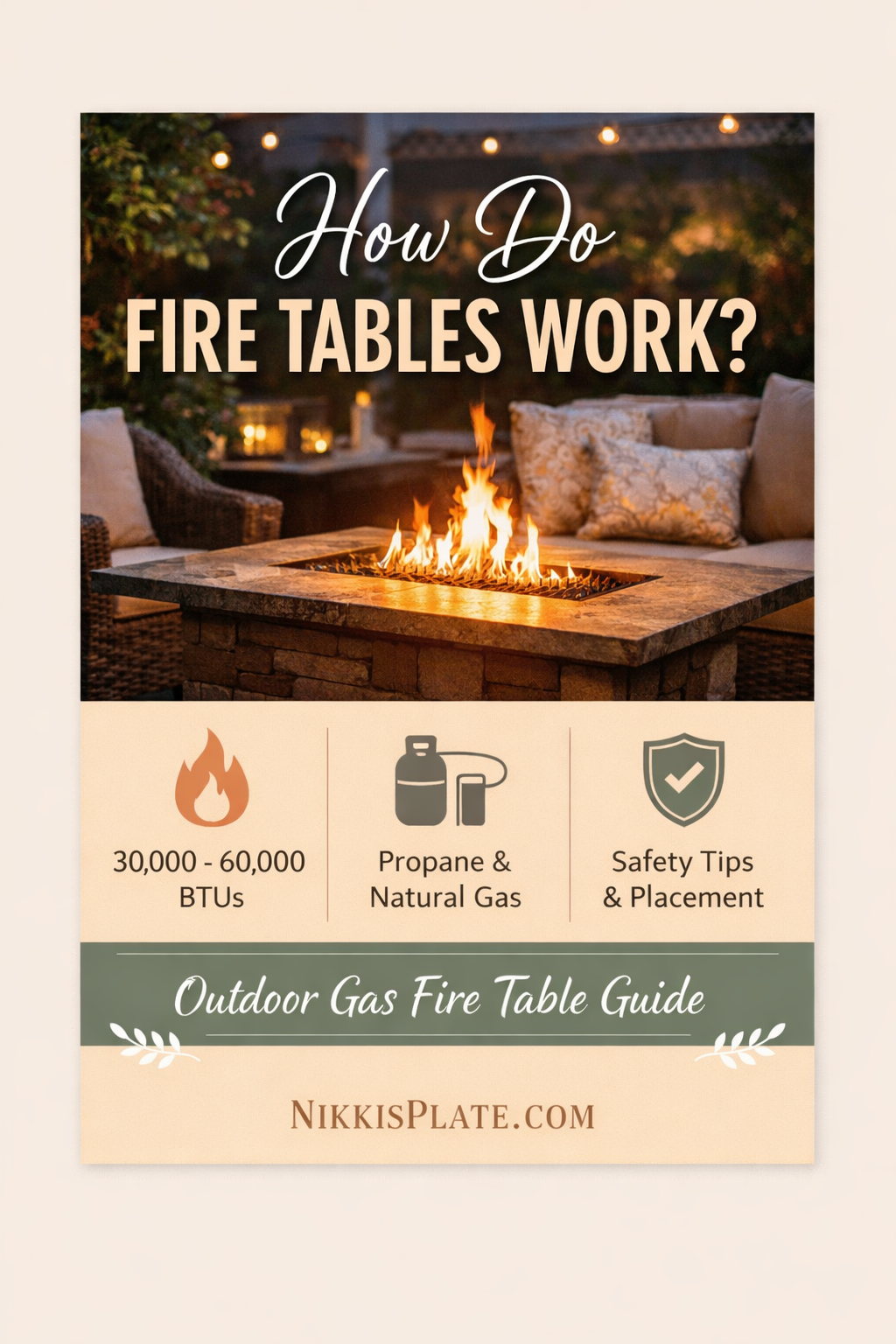
Fire tables have become a popular addition to outdoor spaces, but many homeowners wonder how these stylish pieces actually work. A fire table operates through either propane or natural gas, which flows to a burner system hidden beneath decorative media like lava rocks or fire glass, and produces a controlled flame that provides both warmth and atmosphere. The design combines the practical elements of a traditional table with the appeal of an open flame.
These outdoor features offer more than just visual interest. Fire tables produce between 30,000 to 60,000 BTUs of heat, which makes them effective at warming outdoor areas on cool evenings. The heat allows people to use their patios and decks for longer periods throughout the year.
The mechanics behind fire tables are straightforward yet effective. A fuel source connects to the table's burner, and simple controls allow users to adjust the flame height and heat output. This article will explain the technical details of how fire tables function, explore their practical benefits for outdoor spaces, and help readers understand what makes these features a valuable addition to any backyard or patio area.
How Fire Tables Work in Outdoor Spaces
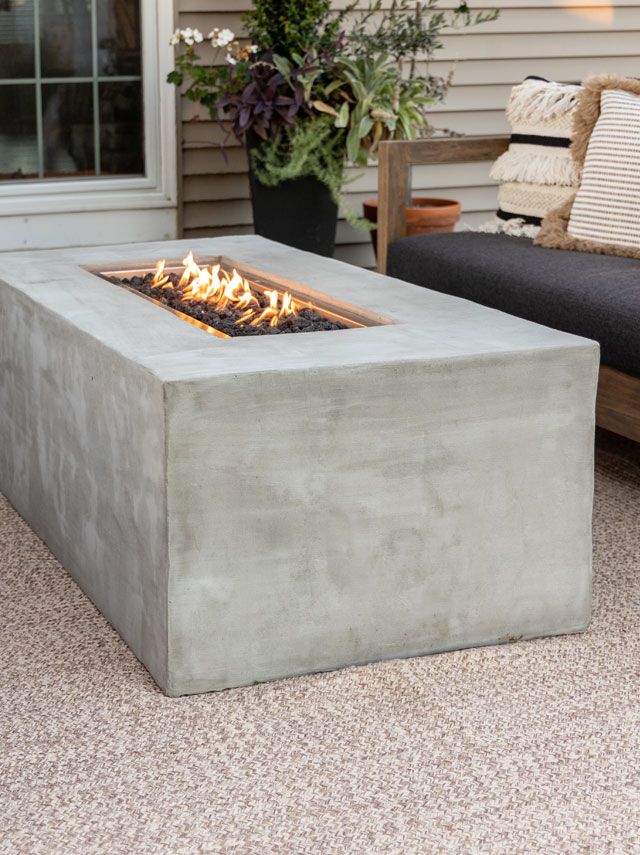
Fire tables combine a flat surface with a built-in burner system that produces real flames through gas combustion. The design allows users to enjoy both the warmth of a fire feature and the functionality of a table surface for food and drinks.
Types of Fuel Sources
Most fire tables operate on either propane or natural gas. Propane models use portable tanks stored in the base of the table, which makes them easy to move and place anywhere in an outdoor space. A standard 20-pound propane tank provides approximately 8-10 hours of burn time at average settings.
Natural gas fire tables connect directly to a home's gas line through underground piping. This option eliminates the need to refill or replace tanks, though it requires professional installation and limits placement flexibility. Natural gas typically costs less per BTU than propane, which can reduce long-term operating expenses.
Fire tables from Majestic offer both fuel options to match different outdoor space needs and preferences. The choice between propane and natural gas often depends on whether portability or convenience matters more to the user.
Core Components and Design
A fire table consists of several key parts that work together to create a safe and functional outdoor feature. The main structure includes a table frame, a burner assembly, and a protective barrier around the flames. Most models feature a bowl or pan that sits in the center of the table surface and houses the burner.
The burner itself contains small holes or slots that release gas in a controlled pattern. Fire glass, lava rocks, or ceramic logs sit on top of the burner to diffuse the flames and create an attractive display. These decorative media also help distribute heat more evenly across the surface.
The table frame provides structural support and typically includes storage space underneath for the fuel tank. Many designs incorporate weather-resistant materials like aluminum, steel, or composite materials that can withstand outdoor conditions. The surface around the fire feature remains cool enough to place items on, which makes the table practical for gatherings.
Ignition Systems and Safety Features
Modern fire tables use one of two ignition methods: manual or electronic. Manual systems require a match or lighter to ignite the gas after users turn the control valve. Electronic ignition systems feature a push-button or switch that creates a spark to light the burner automatically.
Safety features include flame sensors that shut off gas flow if the fire goes out unexpectedly. Most models also have adjustable flame controls that let users regulate heat output from low to high settings. A safety screen or glass barrier surrounds the flames to prevent accidental contact and protect the fire from wind.
Gas fire tables produce between 30,000 and 60,000 BTUs of heat output, which provides warmth for people seated around the perimeter. The thermocouple valve serves as another safety mechanism that stops gas flow if it doesn't detect heat from the flame. These systems meet outdoor appliance safety standards and include built-in ventilation to prevent gas buildup.
Enhancing Outdoor Living With Fire Tables
Fire tables serve as functional centerpieces that provide warmth and create comfortable spaces for year-round outdoor use. They transform patios and backyards into usable areas that extend well beyond warm summer months.
Heat Distribution and Ambience
Fire tables produce consistent heat that radiates outward in a circular pattern, typically warming a radius of 3 to 6 feet depending on the BTU output. Most models range from 30,000 to 65,000 BTUs, with higher outputs suitable for larger spaces or colder climates. The flames create both physical warmth and visual appeal through their soft, controlled glow.
The heat output allows people to sit comfortably outdoors even as temperatures drop. However, fire tables work best as supplemental heat sources rather than primary heaters for entire spaces. The flame height and intensity can be adjusted on most models through manual controls or electronic ignition systems.
Beyond temperature control, fire tables establish a natural gathering point that draws people together. The flickering flames add light to evening settings and create a relaxed atmosphere. Glass wind guards on many models protect the flame from breezes while making the fire feature safer for nearby guests.
Placement and Space Considerations
Fire tables require specific clearances to operate safely and effectively. Most manufacturers recommend at least 3 feet of open space on all sides, with no overhangs or flammable materials within 6 feet above the unit. These clearances allow proper ventilation and prevent heat damage to nearby structures or furniture.
The location should have access to fuel sources. Propane models need space for tank storage, either inside a built-in compartment or nearby. Natural gas units require professional installation of gas lines. The placement should also account for prevailing wind patterns to prevent smoke or flame disruption.
Surface stability matters because fire tables can weigh 100 to 300 pounds or more. Patios made from concrete, pavers, or stone provide ideal foundations. Wooden decks need verification that they can support the weight and withstand heat exposure. The fire table should sit level to prevent fuel line issues and maintain even flame distribution.
Maintenance and Longevity
Regular cleaning extends the life of fire tables and maintains their appearance. Burner components need inspection every few months to remove debris, spider webs, or dust that can clog gas ports. A soft brush or compressed air clears these passages effectively.
Covers protect fire tables from weather damage during periods of non-use. Rain, snow, and UV exposure can deteriorate components over time. Stainless steel and powder-coated aluminum frames resist corrosion better than other materials. The burner pan should be kept free of standing water to prevent rust.
Gas connections require annual checks for leaks and proper function. A simple soap and water solution applied to connection points reveals leaks through bubble formation. Professional inspections every few years verify that all components meet safety standards and operate correctly.
Final Thoughts on How Fire Tables Work
Fire tables offer a practical solution for anyone who wants to extend the use of their outdoor space. These versatile pieces provide warmth, serve as a surface for drinks and food, and create a natural spot where people gather. They work through simple fuel sources like propane or natural gas, which makes them easy to control and safe to use.
The combination of function and style makes fire tables a smart addition to patios, decks, and outdoor rooms. They transform basic outdoor areas into comfortable spaces that people can enjoy during cooler months and evenings.


As Seen on TikTok
Come behind the scenes of our farmhouse build, decor projects, and cozy everyday life. Tap a video to watch, then follow @nikkisplate on TikTok for more.
Watch this video on TikTok
Watch this video on TikTok
Watch this video on TikTok




Leave a Reply