
Planning a backyard garden project doesn't have to feel overwhelming. Use these 11 simple tips to prepare your yard, gather supplies, check your tools, and create a garden space you'll love.
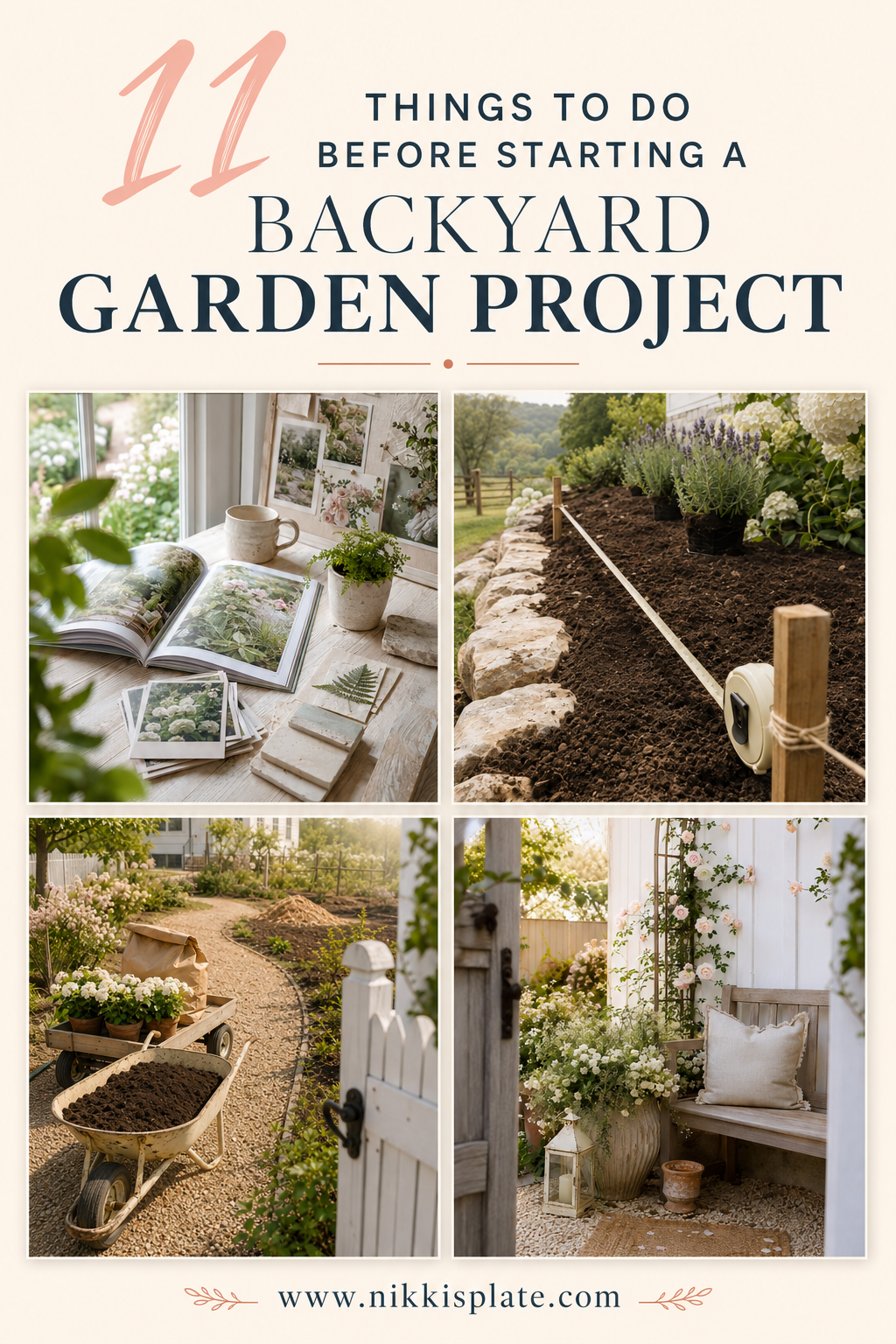
Starting a backyard garden project is always exciting, but it can quickly feel overwhelming when you're making decisions as you go. Before the digging, planting, hauling, and decorating begin, a little garden planning can make the entire process feel calmer, easier, and much more enjoyable.
I've found that taking time to look at the space, measure the area, check the sunlight, and gather the right supplies can prevent a lot of frustration later. Whether you're refreshing a flower bed, adding a gravel path, building raised garden beds, or creating a cozy corner near the patio, these simple steps will help you feel more prepared from the start.
In this guide, I'm sharing 11 things to do before starting a backyard garden project. These practical tips will help you organize your ideas, prepare your yard, choose the right tools and materials, and create a beautiful outdoor space that feels thoughtful, functional, and easy to maintain.
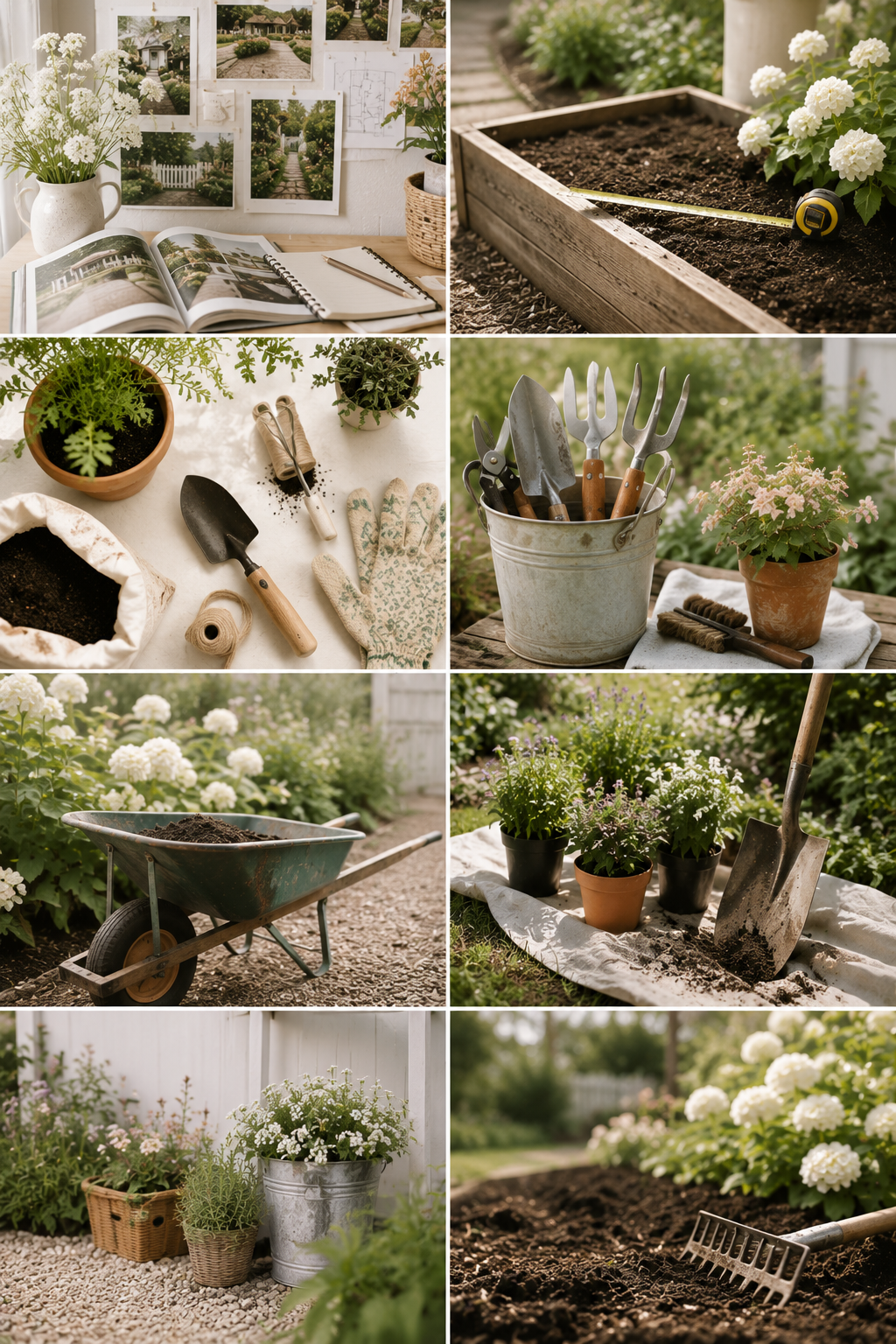
1. Choose One Garden Project to Focus On
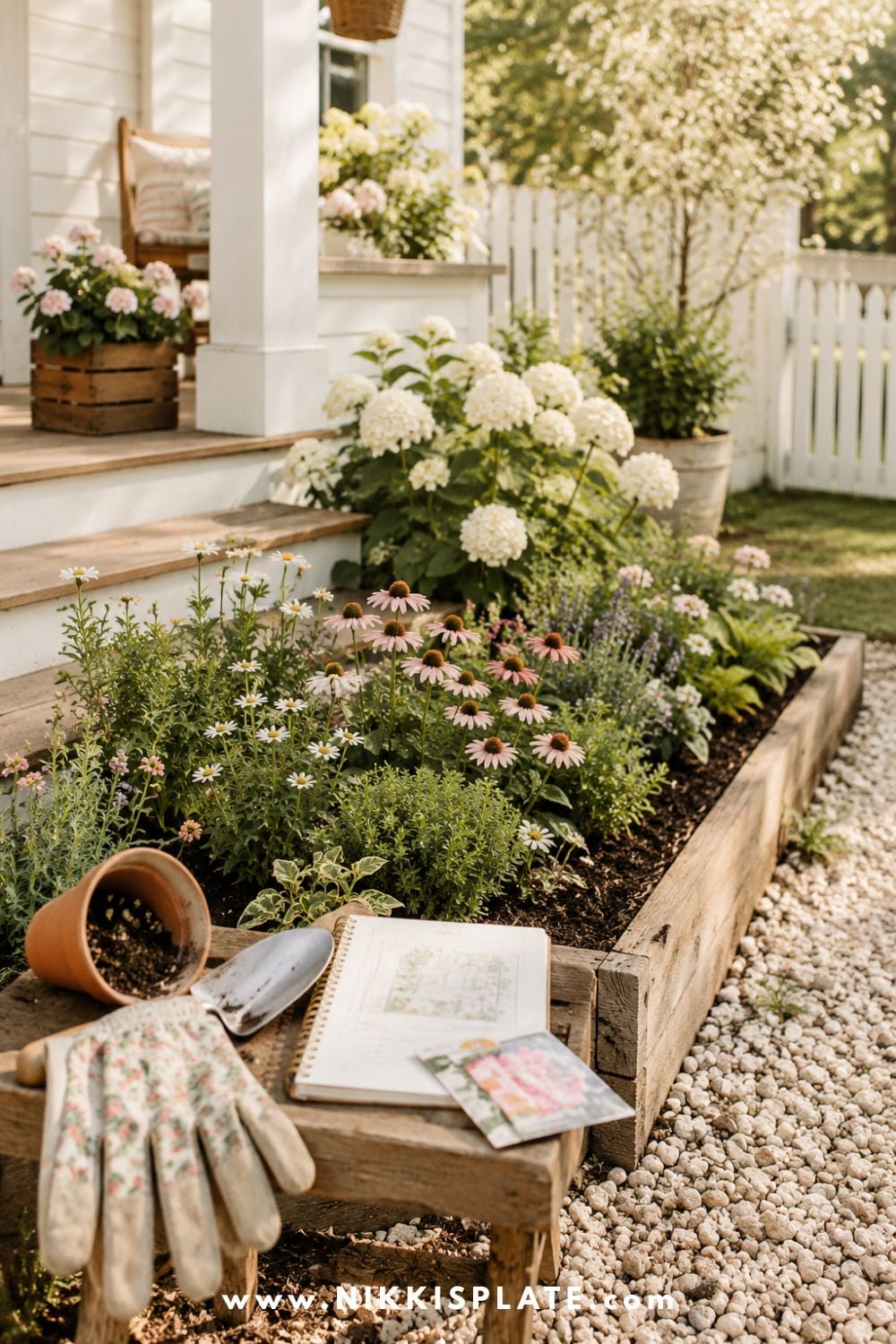
It's easy to look around the backyard and suddenly want to fix everything at once. The flower beds need attention, the patio could use a refresh, the fence line feels bare, and that one awkward corner has been bothering you for months.
Start smaller. Choose one project and make it your focus.
Maybe it's a flower bed near the porch, a simple gravel path, a raised bed along the fence, or a container garden beside the patio. A clear starting point makes it easier to plan your supplies, stay on budget, and actually enjoy the work instead of feeling scattered before you've even begun.
2. Walk the Yard Before Buying Supplies
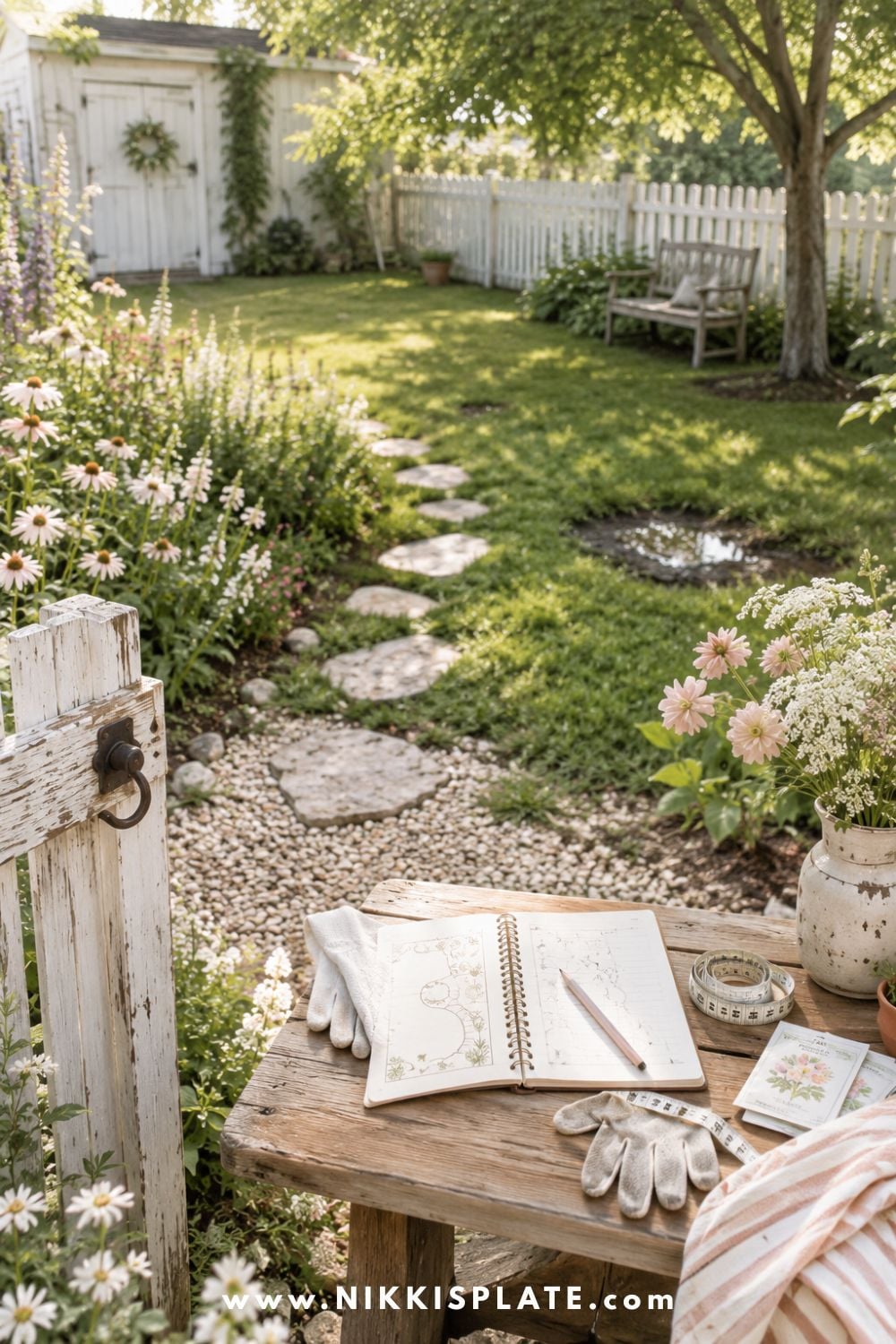
Before you head to the garden center, take a slow walk through the backyard. Look at what's already working and what feels unfinished, crowded, muddy, or hard to use.
Notice where people naturally walk, where water collects after rain, and which areas feel bare or forgotten. You might realize that a pathway would be more useful than another flower bed, or that a shady corner needs a different kind of planting plan than you first imagined.
This step can save you from buying supplies that don't make sense for the space. The best garden projects feel like they belong in the yard, not like they were forced into it.
3. Pay Attention to Sun, Shade, and Drainage
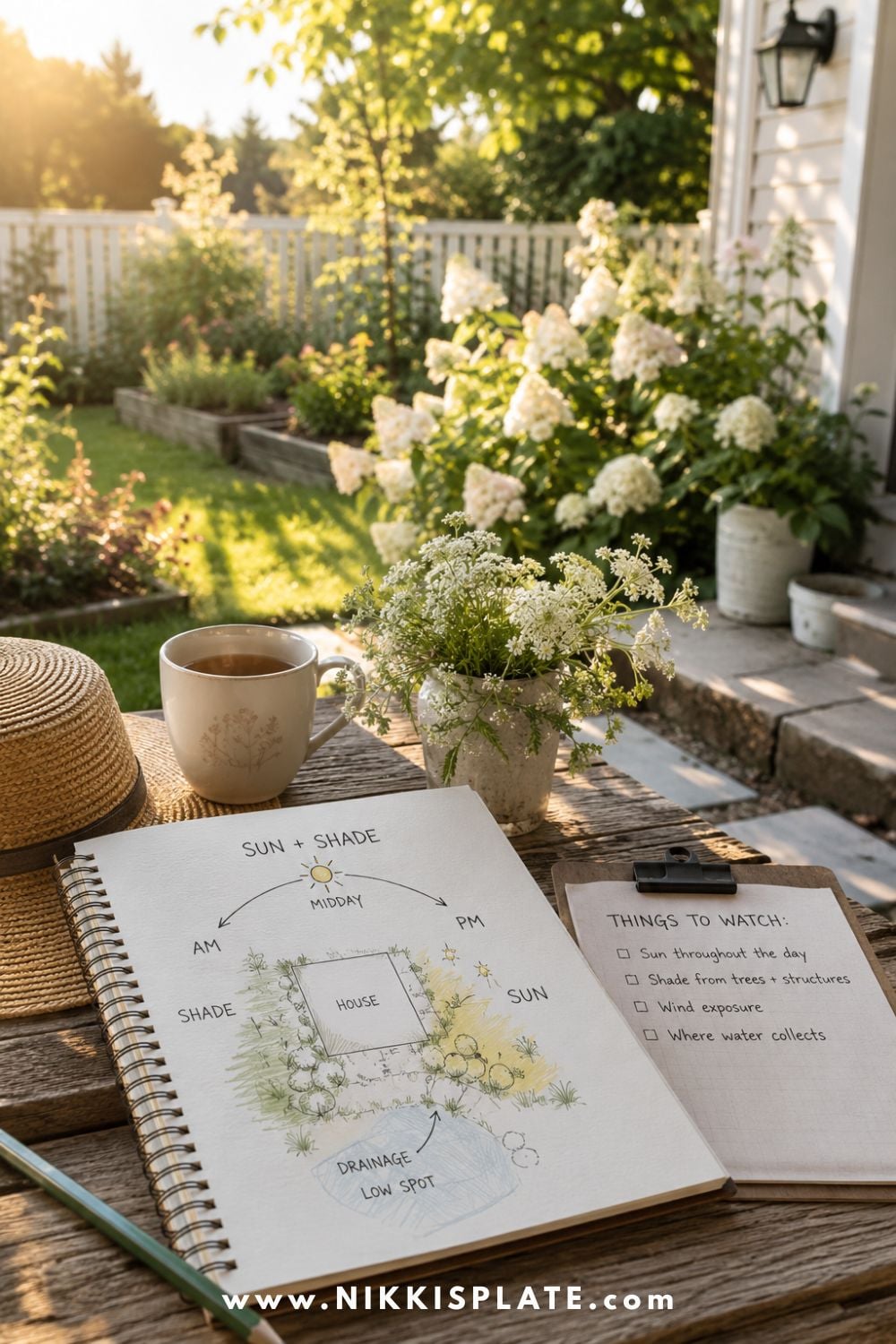
Plants have a much better chance of thriving when they're placed where they actually want to grow. Before choosing flowers, herbs, shrubs, or vegetables, spend a day watching how the light moves through the yard.
A spot that looks bright in the morning might be shaded by the afternoon. A quiet corner near the fence might stay damp long after the rest of the yard dries out. These little details matter.
Drainage is worth watching, too. If water pools in one area, you may need better soil, different plants, or a small grading fix before planting. Working with the yard's natural conditions will make the finished project easier to maintain and much nicer to live with.
4. Gather Inspiration That Fits Your Space
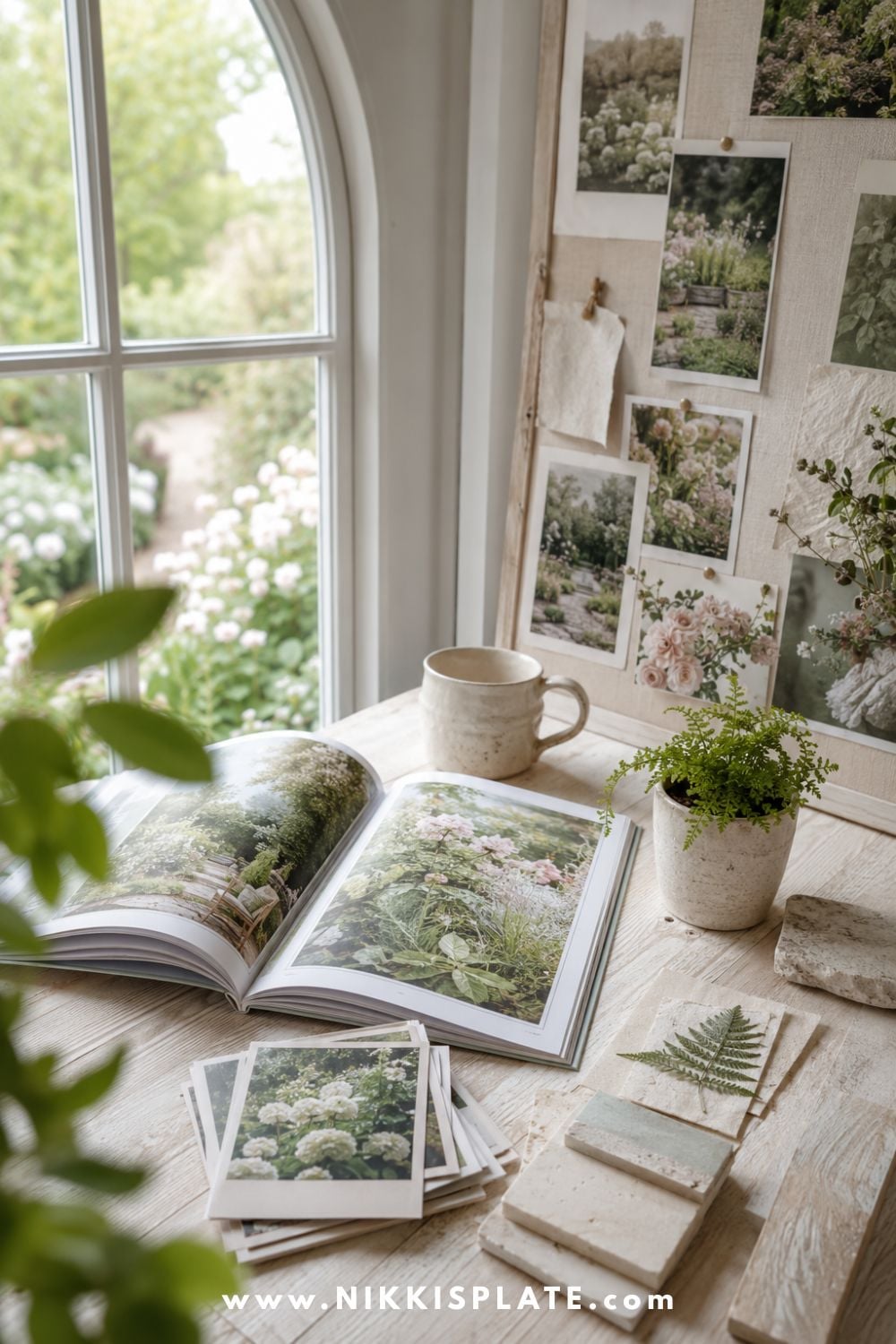
Pretty garden ideas are everywhere, but the best inspiration is the kind that makes sense for your own backyard. A small sunny corner might be perfect for herbs. A fence line could work beautifully for climbing plants, flowers, or a simple bed with clean edges and easy-care greenery.
Look for ideas that match your light, layout, style, and schedule. A garden that looks beautiful but needs constant attention may not be the right fit if you want something simple and low-maintenance.
The goal isn't to copy a photo exactly. It's about noticing what feels doable, then shaping those ideas around the space you already have.
5. Measure the Project Area
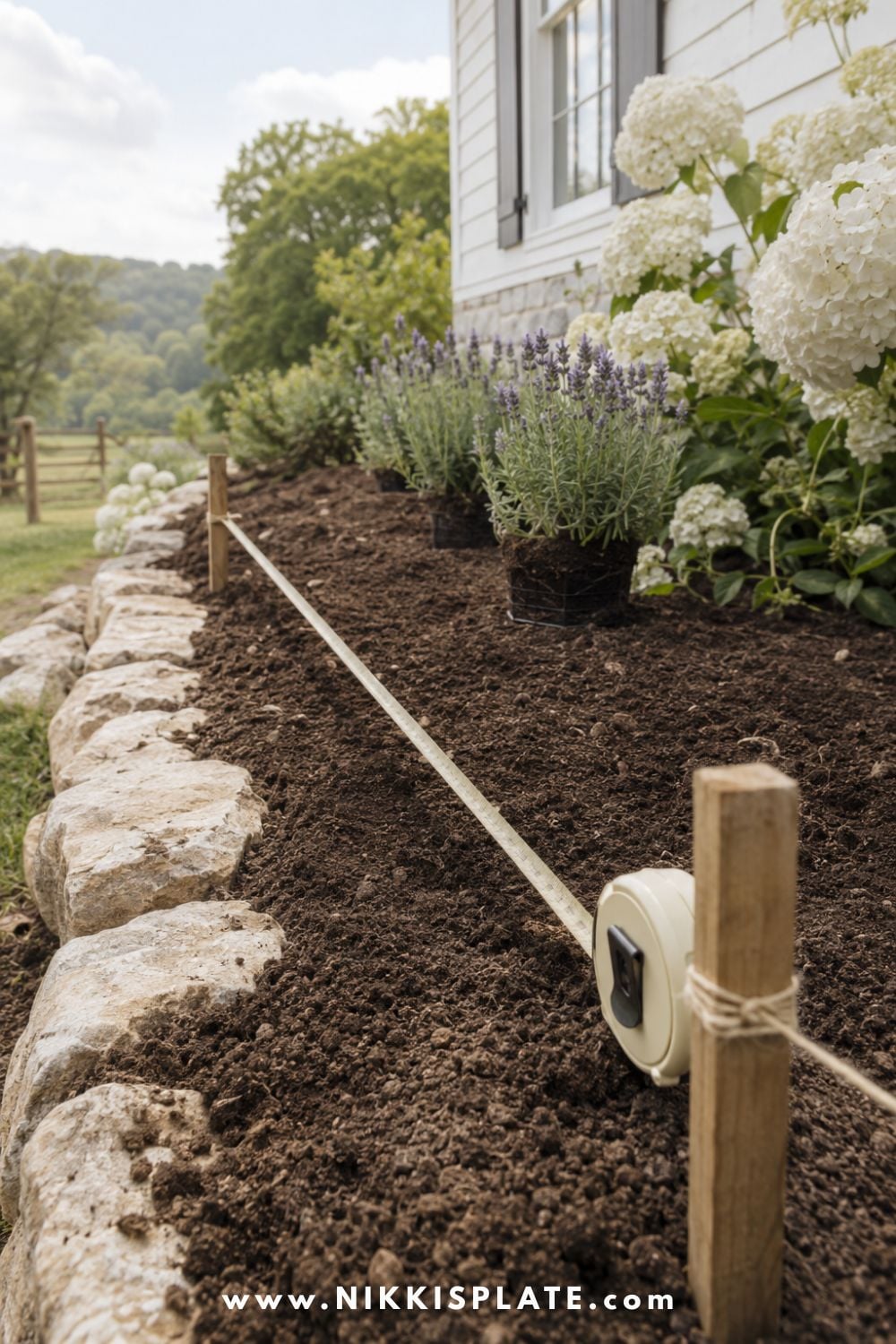
A quick measurement can save a lot of guessing later. Measure the length and width of the area you want to update, then make note of anything that could affect the layout, such as tree roots, fence posts, slopes, steps, or an existing path.
Those numbers will help you estimate how much soil, mulch, edging, gravel, or planting space you'll need. They can also keep the project from growing larger than planned, which is usually when extra costs and extra work start to creep in.
6. Make a Simple Supply List
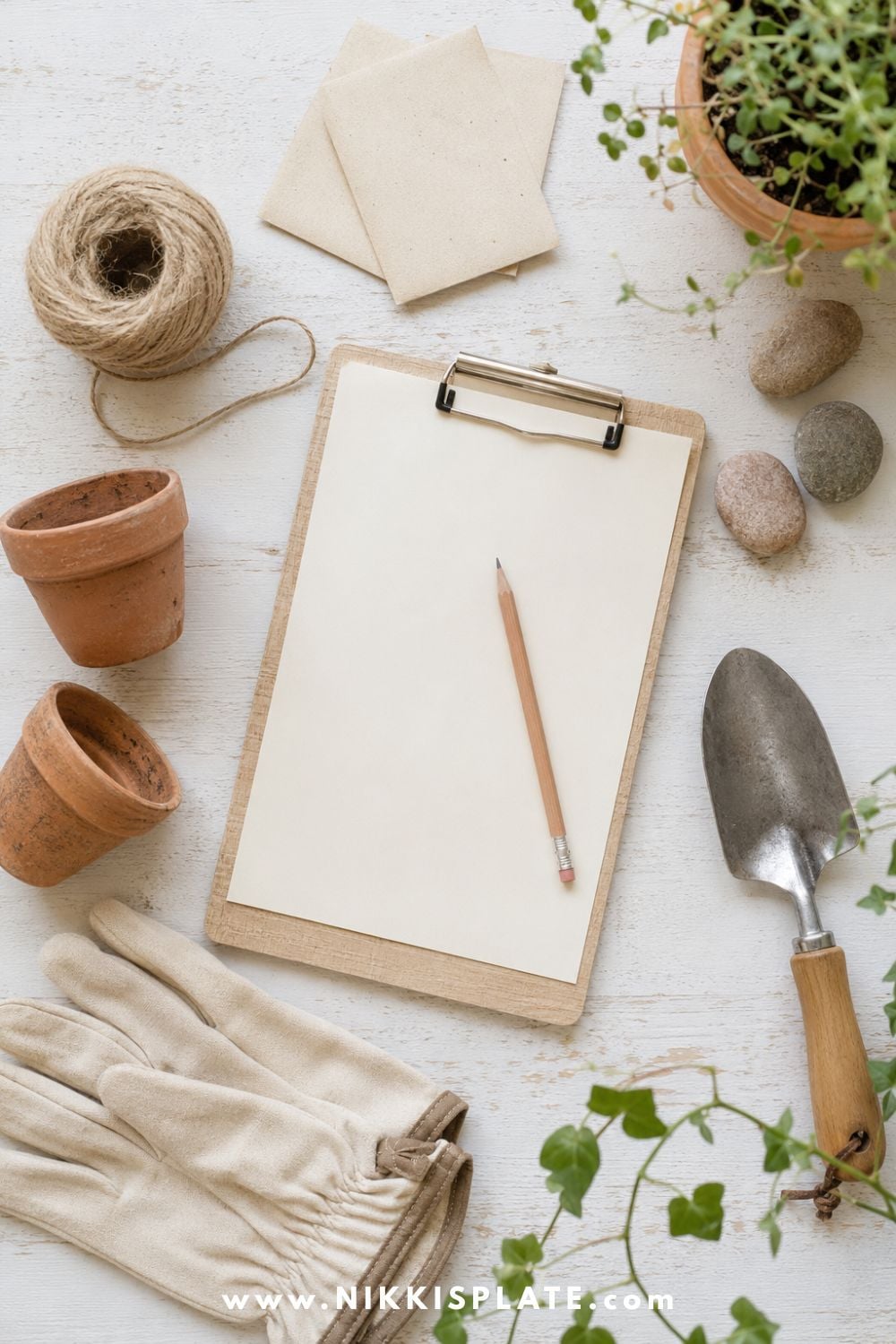
Once you know the size of the project area, write down what you'll need before you start shopping. Keep the list simple and practical: soil, compost, plants, gloves, edging, gravel, tools, and any small finishing pieces you already know you want to include.
Mulch is one of those easy additions that can make a garden bed look cleaner while helping with moisture retention and weed control, so understanding its benefits can make it easier to decide how much to add.
A clear list keeps the project organized and helps cut down on those last-minute trips for one more bag, one more tool, or one more plant.
7. Clean and Check Your Garden Tools
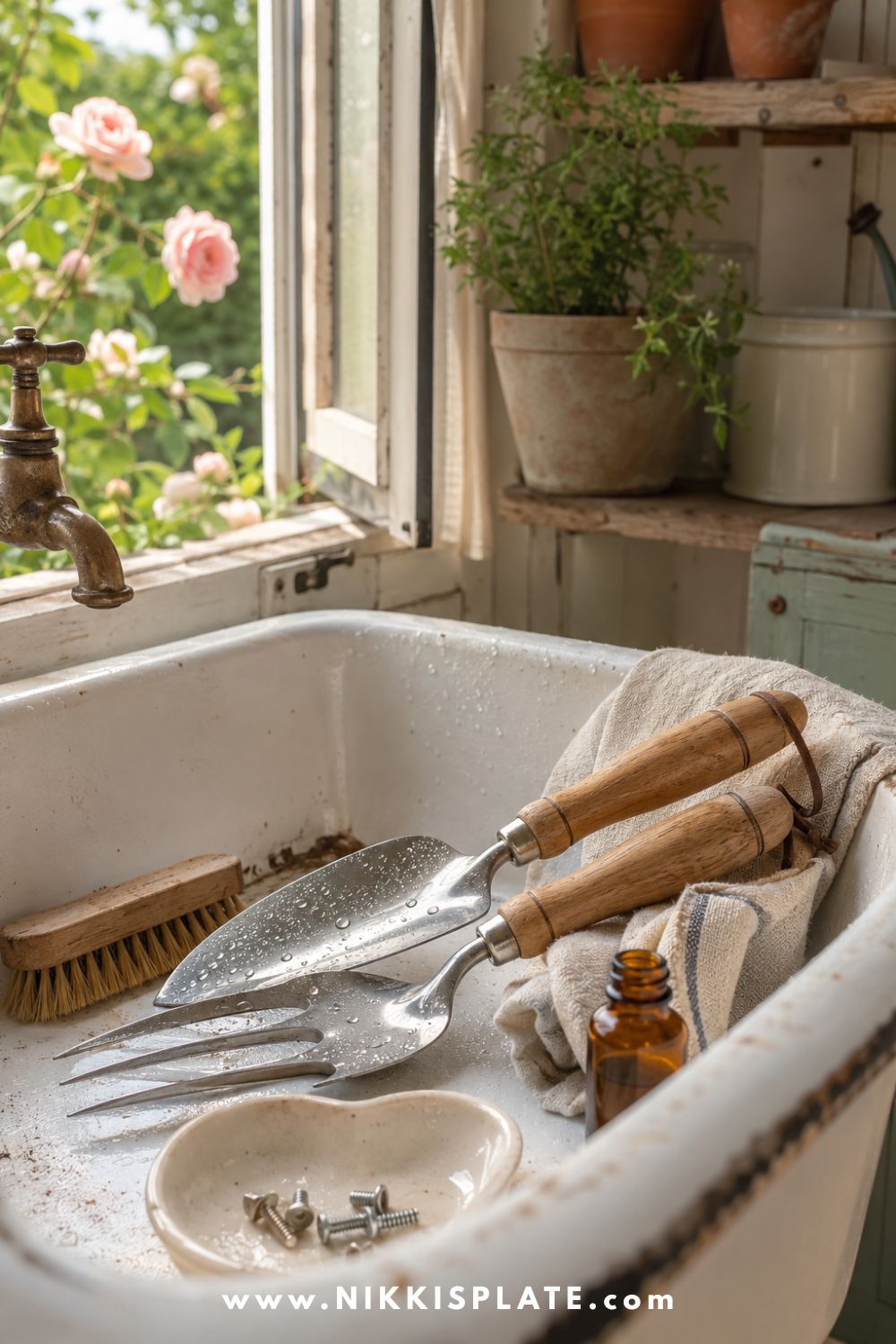
Before you start digging, trimming, or planting, take a few minutes to look over the tools you already have. Brush dried soil off shovels and trowels, wipe down handles, check for loose screws, and make sure pruners or garden shears are clean enough to use around healthy plants.
A little care can make yard work feel much easier. Tools that are cleaned, sharpened, lubricated, and properly maintained are usually simpler and safer to work with, so maintaining lawn and garden tools is worth handling before the project begins.
8. Plan How You'll Move Soil, Mulch, and Plants
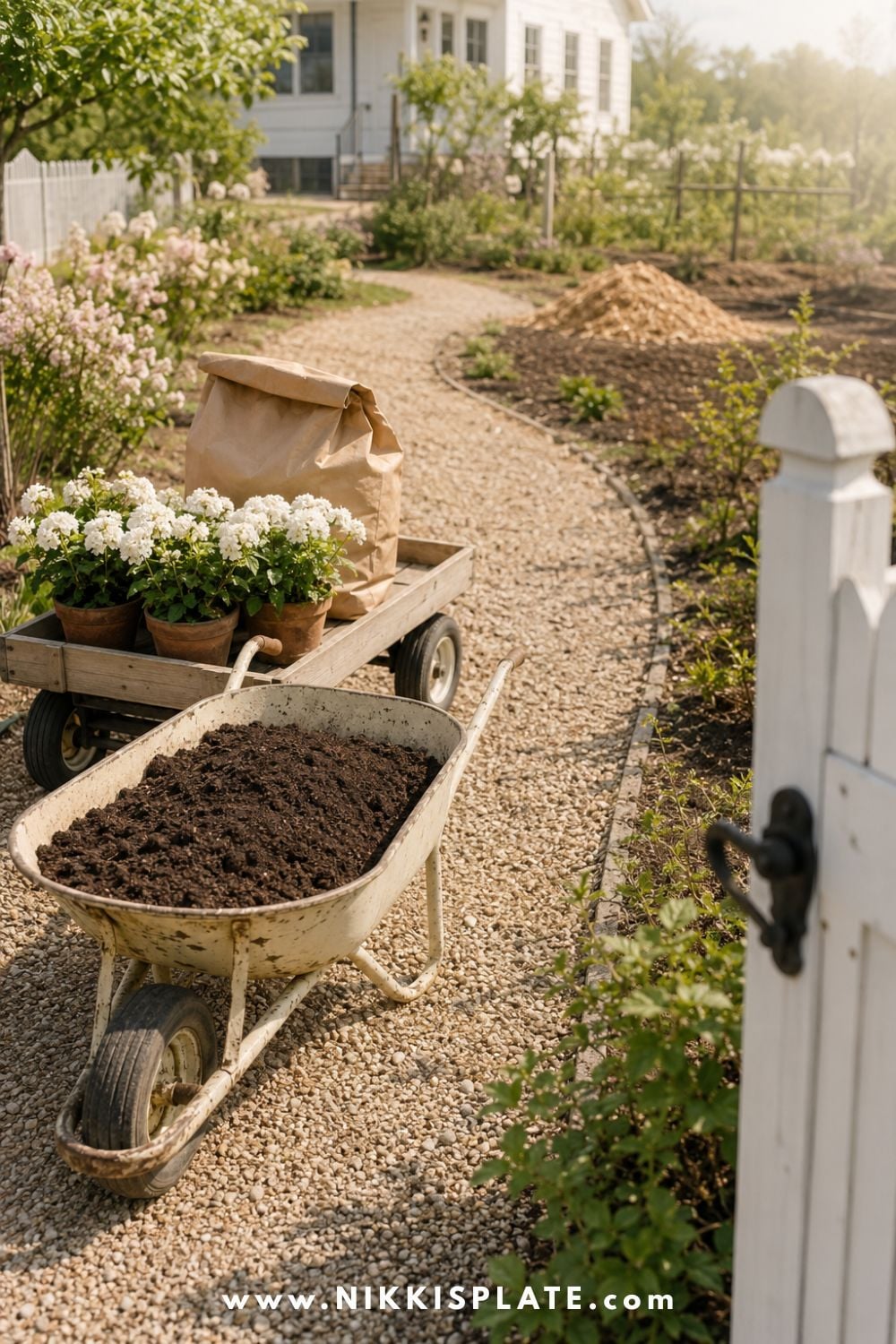
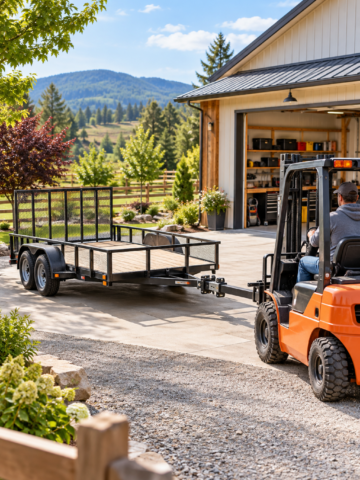
Garden projects usually involve more hauling than expected. Bags of soil, mulch, compost, gravel, and potted plants can get heavy quickly, especially if you're carrying everything from the driveway to the backyard one load at a time.
Before the project begins, make sure your wheelbarrow is steady, easy to push, and ready for uneven ground. If the tire is cracked, flat, or wobbling, replacing it with one of the wheelbarrow wheels for sale before you start can keep a simple backyard garden project from turning into a frustrating stop-and-start job.
9. Set Up a Temporary Staging Area
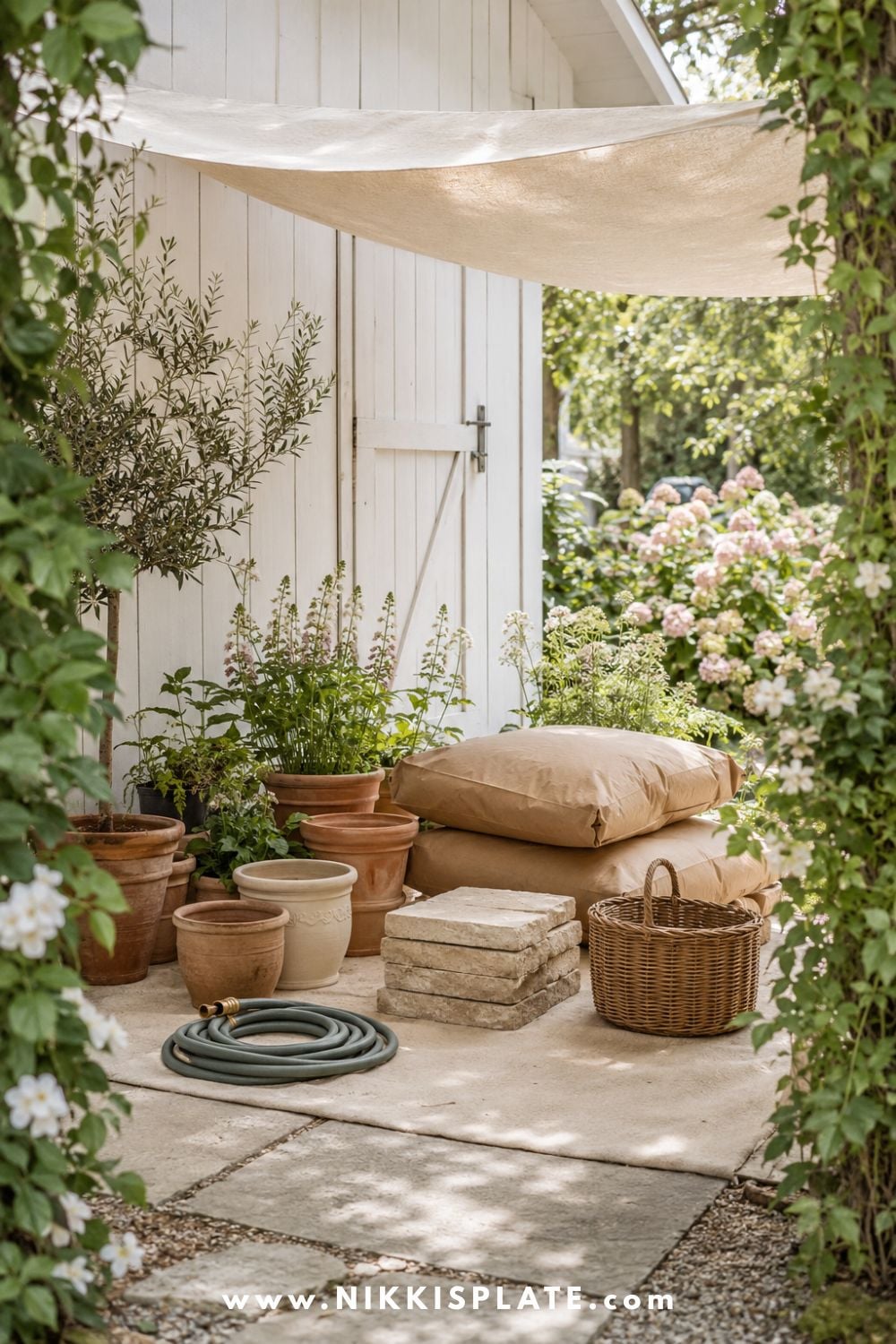
A small staging area can keep the project from feeling messy before it really gets going. Choose a spot near the work area where you can keep bags of soil, plants, tools, gloves, edging, and any decor you plan to add later.
It doesn't need to be anything fancy. A tarp on the grass, a clear corner of the patio, or a tidy space along the fence can help you see what you have and keep supplies from disappearing into different corners of the yard.
10. Clear Weeds, Debris, and Old Materials
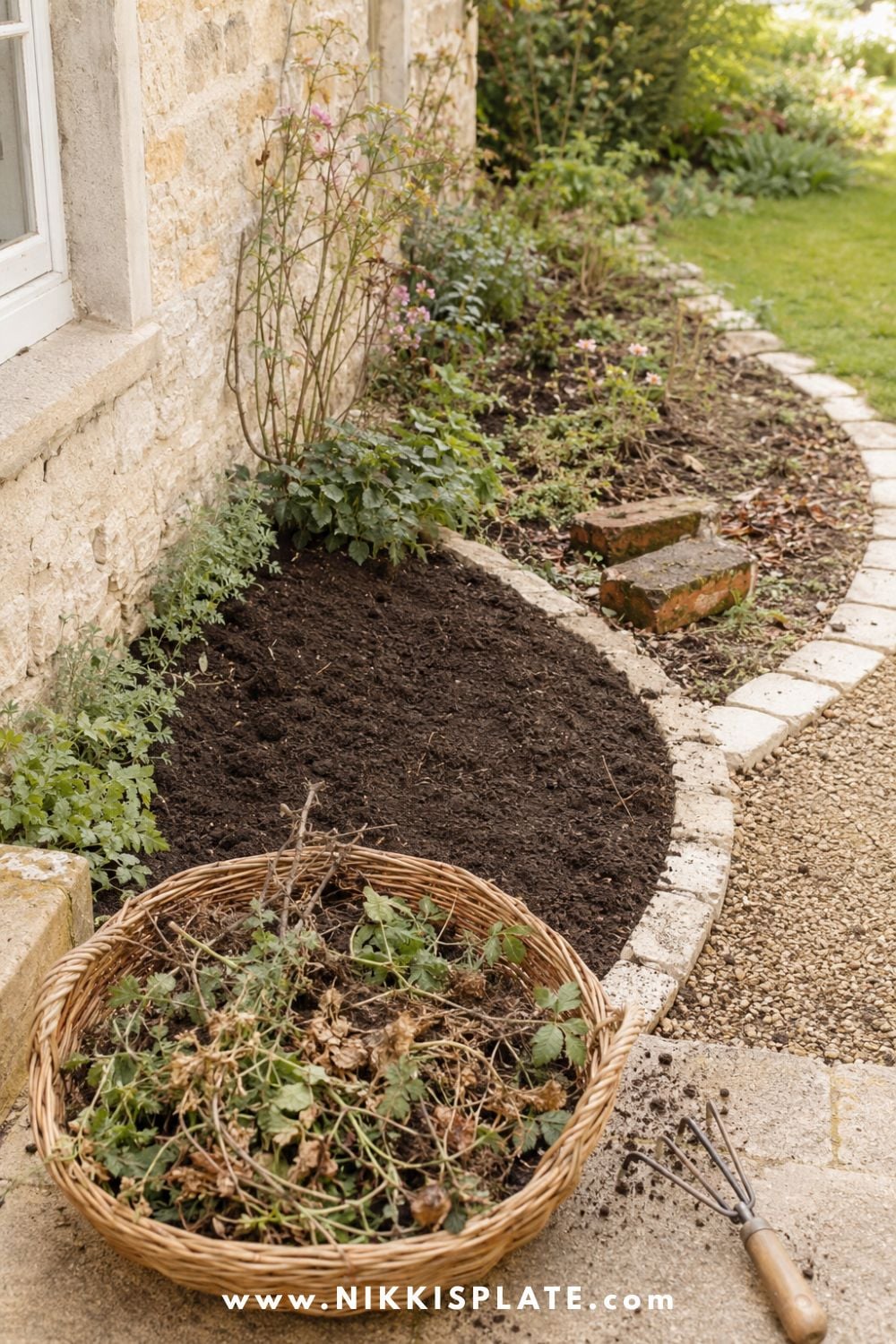
A clean project area makes everything easier. Pull weeds, rake away leaves, move broken pots, and remove any old edging, stones, or garden decor that no longer fits the space.
Once the area is cleared, you'll get a better look at the soil, shape, and layout. It becomes much easier to see where plants should go, how much mulch you'll need, and whether the space needs a path, border, or a few simple finishing details.
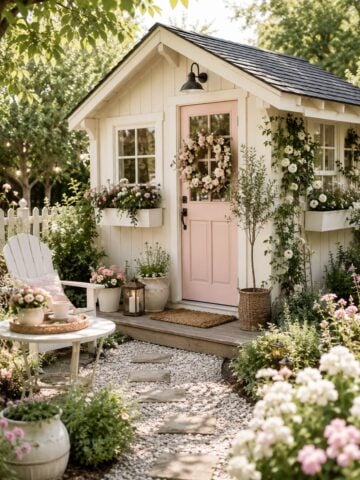
11. Add the Pretty Finishing Touches Last
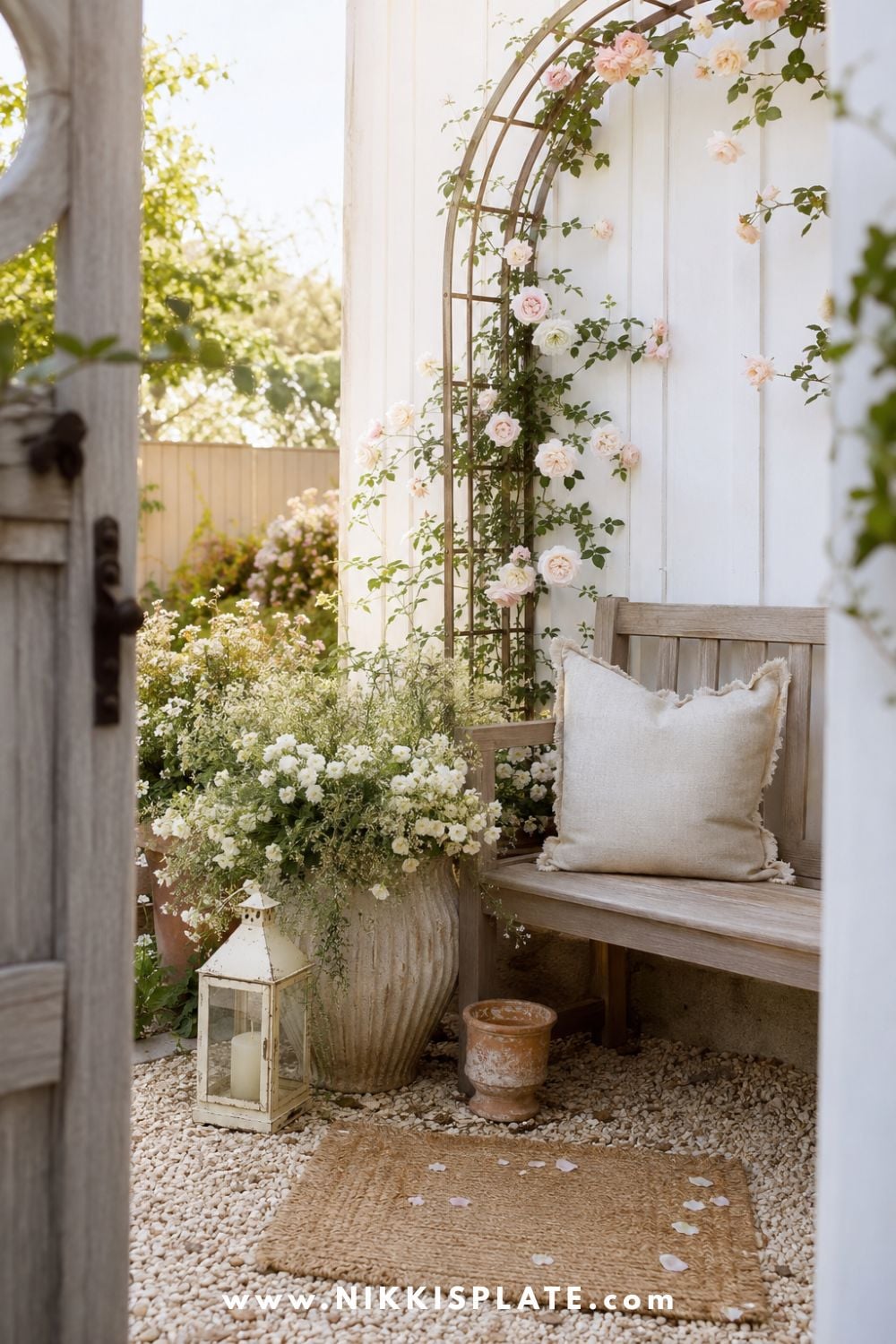
Save the decorative pieces until the main garden work is finished. Once the planting, edging, mulch, gravel, or pathway pieces are in place, you'll have a better sense of what the space actually needs.
A few thoughtful details can make the area feel finished without making it feel crowded. Try a weathered planter, a small bench, lanterns, garden markers, a trellis, or seasonal flowers that connect the new garden area to the rest of the backyard.
A Backyard Garden Project That Feels Easier From the Start
The best backyard garden projects usually begin before the first plant goes into the ground. A little planning, measuring, clearing, and tool-checking can make the work feel lighter and the finished space feel more intentional.
Once the practical pieces are handled, there's more room to enjoy the fun parts: choosing flowers, styling planters, adding cozy details, and watching the backyard slowly turn into a space that feels useful, pretty, and easy to love.
Final Thoughts on Your Next Backyard Garden Project
Starting a backyard garden project feels much easier when the practical details are handled first. A little garden planning, measuring, clearing, and tool preparation can help you avoid unnecessary stress while creating a space that feels thoughtful, functional, and easy to maintain.
Once the groundwork is complete, you can enjoy the fun parts of your backyard garden makeover, from choosing flowers and styling planters to adding paths, raised garden beds, and cozy finishing touches. With a simple plan in place, your outdoor space can slowly become a beautiful garden you'll love spending time in.
Until next time,



As Seen on TikTok
Come behind the scenes of our farmhouse build, decor projects, and cozy everyday life. Tap a video to watch, then follow @nikkisplate on TikTok for more.
Watch this video on TikTok
Watch this video on TikTok
Watch this video on TikTok

Leave a Reply