

Florida homes have their own kind of charm, especially the older ones tucked away in quiet neighborhoods or near the coast. But charm can wear thin when salt air, loose soil, and a few rough hurricane seasons start showing through the drywall. What looks like surface damage might run deeper than expected.
Contractors stay busy, especially when storm repairs pick up. Prices swing hard between counties, and certain materials still lag behind on delivery, from flooring to fixtures.
If you're eyeing a fixer-upper, here is what you need to know before you start tearing down walls or pulling permits.
Permits Slow During Storms
Florida counties ramp up permit checks once hurricane season rolls in. Local offices shift priority to emergency repairs, so non-essential projects get bumped down the list. Wait times stretch longer, especially in coastal zones where inspection teams stay thin.
A permit for impact windows, for instance, may sail through in April but stall well into August. Some counties pause processing altogether if a major storm threatens. That leaves your materials on hold and your contractor juggling timelines.
Permit backlogs also affect re-inspections. If even a small detail fails, such as a window flange not being sealed correctly, you could wait weeks to get it cleared.
Insurance Rules Shift Post-Reno
Coverage terms can change once the work is done. Renovating a fixer-upper in Florida can raise your replacement value, which bumps up your premiums. That includes updates like roofs, plumbing, or even upgraded kitchen cabinets.
Some insurers require new inspections before renewing. If your renovation changes the structure or layout, underwriters reassess the risk. A closed-in porch or a garage conversion might trigger new policy conditions or exclusions.
Older homes with outdated electrical panels or missing hurricane ties may not qualify for coverage until brought up to code. This puts you in limbo if the work isn't fully documented.
Codes Vary by Flood Zone
State flood maps decide more than just insurance rates. Local building codes shift block to block depending on elevation and storm surge risk.
A fixer-upper in a high-risk zone often needs elevation upgrades or vented foundations. Even basic interior work might trigger stricter compliance, which includes everything from floor height to anchoring systems.
Flood Zone AE, for example, has tighter build-back rules than Zone X. If you're restoring an older home, FEMA's 50 percent rule can also limit what you're allowed to change without raising the structure.
Mold Hides Behind Stucco
Some older Florida homes use synthetic stucco, especially from renovations in the 90s. When installed without proper drainage, moisture gets trapped behind the finish. You won't see stains or bubbling paint until the damage spreads inside the walls.
Leaks from roof edges, window frames, or even cracked sealant lines can feed mold colonies in hidden layers. High humidity accelerates the growth, and spores move fast through insulation and drywall.
Remediation costs spike once structural framing is affected. Contractors may need to strip walls completely, which adds weeks to your timeline and puts pressure on your budget.
Foundation Problems Are Common
Soil in many parts of Florida shifts more than in other states. Sinkholes get the headlines, but uneven moisture and sandy layers create smaller, slower movements that still crack slabs and shift walls.
A slight slope in the floor might point to years of settling. Termites and water intrusion make it worse by eating away at support beams. Some homes hide wood rot behind cosmetic patchwork or new tile.
Piering and slab repairs may cost more than the initial inspection suggests. Once you open the floor or trench the perimeter, extra issues tend to surface fast.
Contractors Book Up Fast
General contractors in Florida fill their calendars early, especially once storm season hits. Most balance multiple job sites, and higher-paying insurance work often gets first priority. Delays start before the demo even begins.
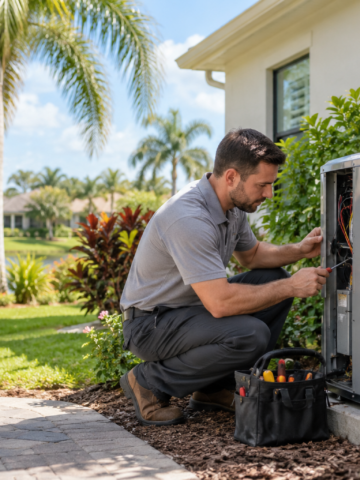
Skilled trades like electricians and HVAC techs run on tighter schedules. One missed window pushes your timeline back days or weeks. Smaller towns feel it more since fewer licensed pros are available.
If your permit clears but your crew can't start, materials sit in storage, and subcontractors move on. That kind of gap adds costs quickly, especially when rentals, dumpsters, or storage units are involved.
Final Thoughts on a Florida Fixer-Upper
Fixing up a Florida home is never just about fresh paint and new floors. It entails knowing what lies beneath, who's in your corner, and when to move.
The more you understand how the state shapes the process, the smarter your choices get. There's always risk, but there's also serious potential if you time it right.


As Seen on TikTok
Come behind the scenes of our farmhouse build, decor projects, and cozy everyday life. Tap a video to watch, then follow @nikkisplate on TikTok for more.
Watch this video on TikTok
Watch this video on TikTok
Watch this video on TikTok



Leave a Reply