
Create a safer, more comfortable sleep space for your child with practical tips for choosing bedding, managing temperature, lighting, noise, and age-appropriate sleep essentials.
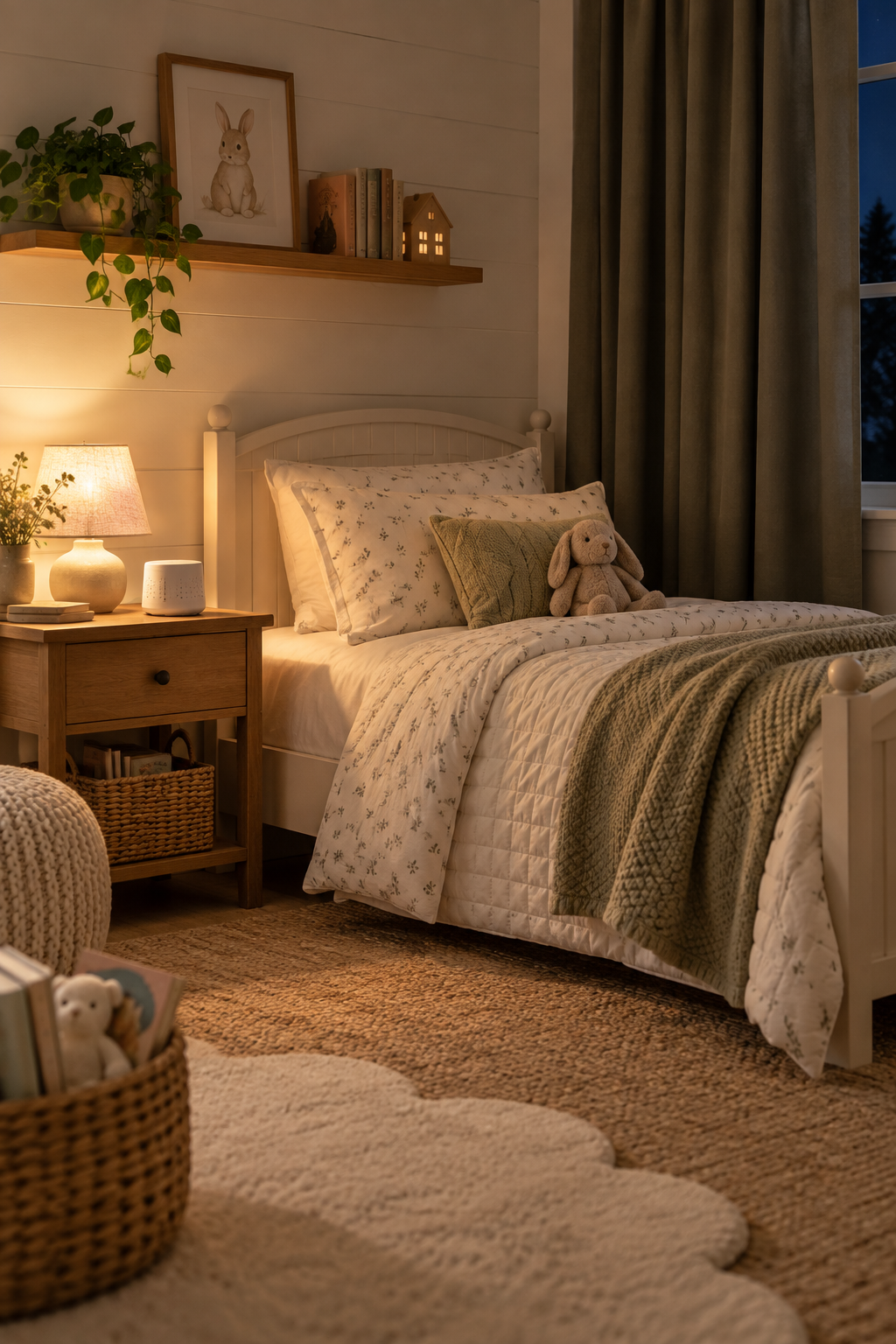
A child's sleep environment is more than just a bed-it's the mattress, the bedding, the room conditions, and all the sensory cues that surround them each night.
Quality sleep supports growth, emotional regulation, learning, and immune function, which means the physical space where a child rests matters just as much as the bedtime routine itself. What many parents don't realize is how much of this is actually within their control: lighting, temperature, noise levels, and the choice of safe, age-appropriate sleep surfaces all play a part.
From room temperature and lighting to age-appropriate kids bedding, every element of a child's sleep setup contributes to how well they rest. One parent, for instance, noticed her toddler waking up frequently until she swapped a heavy comforter for lighter, breathable layers-a small change that made a noticeable difference. Pediatric and public health guidelines consistently point to both safety and comfort as the foundation of healthy sleep.
The Foundations of a Safe Sleep Space by Age Group
Safety for Infants and Babies
For infants, safety guidelines are specific and well established. A firm, flat mattress with a snug-fitting sheet is essential-loose blankets, pillows, bumpers, stuffed animals, and sleep positioners should stay out of the crib entirely, since they raise the risk of suffocation. Back sleeping is still the recommended position for babies. Many pediatric organizations also recommend room-sharing without bed-sharing during the first several months, though families should check current official guidance for the full picture, as recommendations are periodically updated as new research comes in.
Safety for Toddlers and School-Age Children
As children move from cribs into toddler or regular beds, a new set of considerations comes into play. Bed rails can help prevent falls, and mattresses should fit snugly within the frame with no gaps. Bedding tends to become more varied at this stage-lightweight blankets or duvets are generally fine, but heavy, oversized comforters are best avoided for younger children because of the overheating risk. Bunk beds bring their own set of concerns, too; children under a certain age typically shouldn't be sleeping on the top bunk. It's also worth keeping furniture away from cords, windows, and anything unstable that could tip over.
Choosing Materials and Fabrics That Support Healthy Sleep
Bedding materials vary quite a bit in breathability, texture, and how much care they need. Cotton is breathable and easy to wash, though it can shrink if it's not cared for properly. Bamboo-based fabrics are often soft and breathable, but quality tends to vary between brands. Microfiber holds up well and is budget-friendly, though it can trap heat for some children.
| Material | Key Benefits | Potential Drawbacks |
| Cotton | Breathable, easy to wash | May shrink if not cared for properly |
| Bamboo | Soft, often breathable | Quality varies widely |
| Microfiber | Durable, affordable | Less breathable for some children |
For children dealing with asthma, eczema, or allergies, hypoallergenic options and smoother weaves can help cut down on irritation. Dust mites and other allergens tend to build up in fabric fibers over time, so washing regularly with fragrance-free detergents helps keep exposure to a minimum. Parents whose children have persistent skin sensitivities or respiratory issues should check in with a healthcare provider or allergist for more tailored advice.
Managing Temperature, Light, and Noise for Better Sleep
Beyond the bedding itself, the broader room environment has a big impact on sleep quality. Most children sleep better in a cool, comfortable room rather than one that's too warm or too cold. Sweating and flushed skin can be signs of overheating, while cold extremities and restlessness may mean the room has gotten too chilly.
Layering lightweight bedding makes it easy to adjust for seasonal changes, and fewer, lighter layers are generally the safer bet for younger children. A dim light or small nightlight can help ease fears of the dark, while cutting down on loud or disruptive noise-sometimes with the help of white noise-supports more uninterrupted rest.
A simple routine for checking the room includes:
1. Check the temperature.
2. Adjust bedding layers as needed.
3. Set appropriate lighting.
4. Reduce disruptive noise sources.
Aligning Bedding Choices With Your Child's Development and Preferences
As children get older, letting them weigh in on choices-like colors or patterns-can help them feel more ownership over their space. Some kids prefer smooth, cool fabrics, while others feel more secure under slightly heavier, still-safe covers. Children with sensory sensitivities, including some on the autism spectrum, often do better with consistent textures and predictable bedtime routines.
Key Takeaway: Match bedding to your child's age, health needs, and comfort preferences, while keeping safety principles at the center.
Routine hygiene matters too-washing sheets and pillowcases regularly with mild, fragrance-free detergents helps keep the sleep surface clean, which is especially important for sensitive skin.
Practical Checklist for Setting Up and Reviewing Your Child's Sleep Space
- Inspect the bed: firm, flat mattress; stable frame; guard rails if needed.
- Review bedding: age-appropriate, lightweight, free of loose soft items for infants.
- Assess materials: breathable, suitable for allergies or sensitive skin.
- Check the room: safe furniture placement, no accessible cords, appropriate lighting.
- Review routine: consistent bedtime and calming pre-sleep activities.
Since children's needs change over time, it's worth revisiting this checklist every so often and cross-referencing it with updated pediatric guidance.
Bringing It All Together for Restful, Safe Sleep
A truly supportive sleep environment blends age-appropriate safety practices, thoughtful bedding choices, balanced room conditions, and routines suited to each child's individual needs. Small, incremental changes-like switching to breathable sheets or adjusting nightlight brightness-often add up to a meaningful difference over time. Many families find their way to what works through simple observation, always grounded in safety fundamentals first. When questions about safety, allergies, or persistent sleep issues come up, checking in with a pediatrician or sleep specialist is always the best course of action.
Focus first on safety, then layer in comfort and personal preference to create a sleep space where your child can truly rest and grow.


As Seen on TikTok
Come behind the scenes of our farmhouse build, decor projects, and cozy everyday life. Tap a video to watch, then follow @nikkisplate on TikTok for more.
Watch this video on TikTok
Watch this video on TikTok
Watch this video on TikTok




Leave a Reply