
Learn how to prevent ice dams on Grand Rapids roofs with proper insulation, attic ventilation, and roof maintenance. Protect your home from costly winter damage.
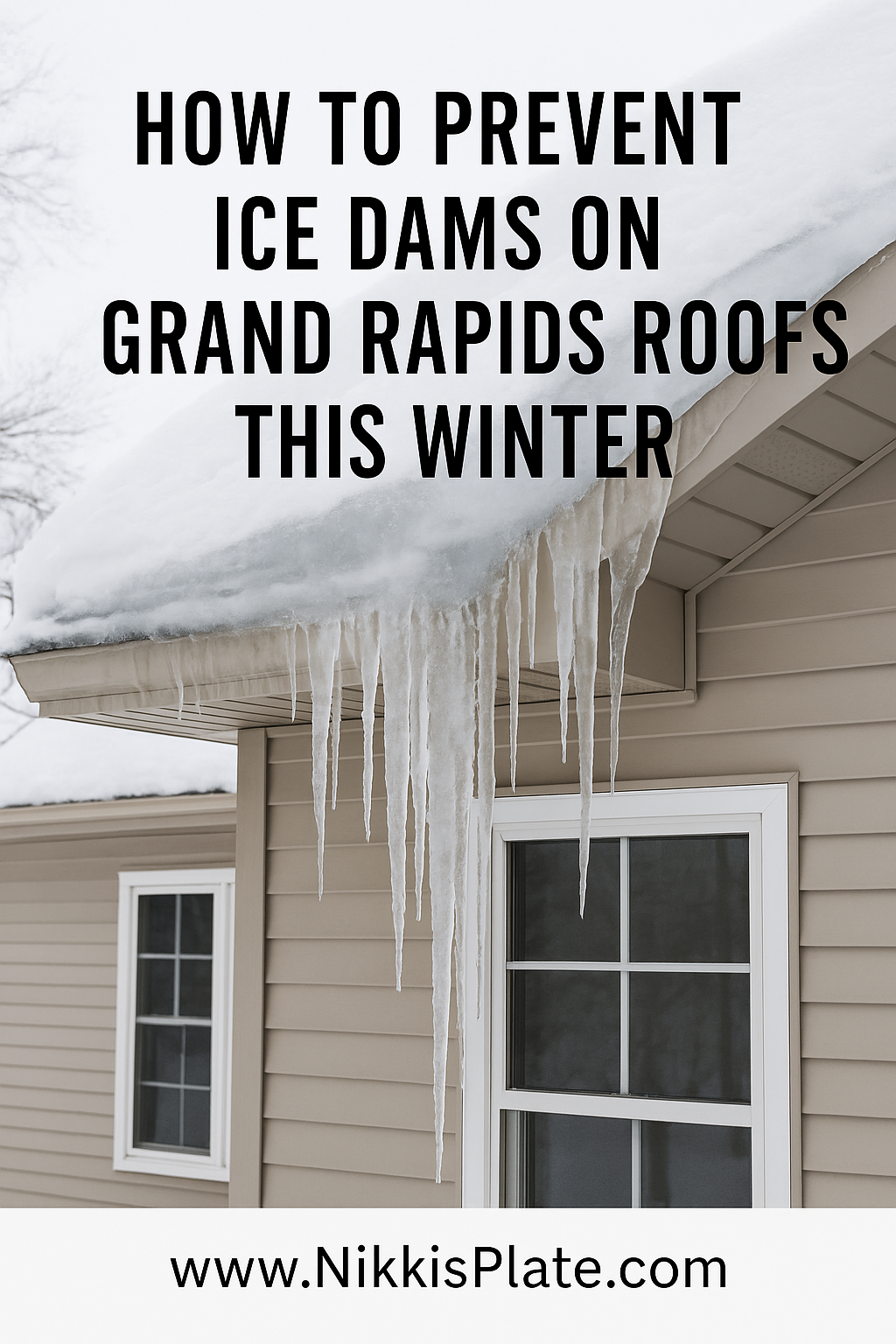
Winter in Grand Rapids brings heavy snow, freezing temperatures, and the risk of ice dams that can damage roofs and cause water leaks inside homes. These frozen ridges form along roof edges and trap melting snow, forcing water under shingles and into attics or walls. To protect a roof from ice dams, homeowners must keep the roof cold by improving insulation, sealing air leaks, and maintaining proper attic ventilation.
Grand Rapids homes face unique challenges due to lake-effect snow and fluctuating temperatures. Poor insulation or blocked vents allow warm air to escape, melting snow unevenly and creating the perfect conditions for ice buildup. Regular roof inspections and simple maintenance steps can prevent these problems before they lead to costly repairs.
Understanding how ice dams form and knowing how to stop them helps protect both the roof and the interior of a home. With a few smart changes, homeowners can face the harsh Michigan winter with confidence and keep their roofs safe all season.
Understanding Ice Dams and Their Impact on Grand Rapids Roofs
Ice dams form along roof edges during winter and can cause leaks, water damage, and costly repairs. They develop due to uneven roof temperatures, poor attic insulation, and frequent freeze-thaw cycles common in West Michigan. Preventing them requires attention to insulation, ventilation, and proper roof maintenance.
What Are Ice Dams and How Do They Form?
An ice dam is a ridge of ice that forms near the eaves of a roof. It blocks melting snow from draining off properly. As a result, trapped water can seep under shingles and leak inside the home.
The main cause is heat escaping from the living space into the attic. This heat warms the roof's upper sections, melting the snow while the lower edges remain cold. The melted snow refreezes at the roof's edge, creating a dam.
Poor insulation, air leaks, and limited attic ventilation make this process worse. Roofs without proper airflow stay warmer in some areas and colder in others. Homeowners often notice icicles hanging from gutters, which signal that ice dams may already be forming.
Professional inspection by experts such as Roach Home Improvement - Grand Rapids roofing company can help identify heat loss sources and prevent these issues before winter damage occurs.
Risks and Damages Caused by Ice Dams
Ice dams can lead to several types of roof and interior damage. Water that backs up under shingles can rot wood decking, loosen shingles, and stain ceilings or walls. Over time, this moisture may also lead to mold growth in insulation and drywall.
The added weight of ice can strain gutters and downspouts, causing them to bend or detach. In severe cases, the structure of the roof may weaken. Homeowners might also face higher energy bills because of lost heat through the attic.
Early detection matters. Signs such as ceiling spots, peeling paint, or dripping water often indicate ice buildup. Regular roof maintenance and snow removal after storms help reduce these risks and protect the home's structure.
Why Grand Rapids Homes Are Prone to Ice Dams
Grand Rapids experiences frequent temperature swings, heavy snow, and sunny winter days that cause snow to melt and refreeze. These weather patterns create ideal conditions for ice dam formation.
Many older homes in the area have limited attic insulation or outdated ventilation systems. As warm indoor air escapes through the roof, it melts the snow unevenly, leading to ice buildup along the edges.
Homes with complex rooflines, valleys, or shaded areas are especially at risk. The combination of architectural design and local climate makes prevention a key concern for homeowners. Regular inspections and upgrades to insulation and ventilation can significantly reduce the chance of damage during Michigan's long winter season.
Effective Prevention and Protection Methods for Ice Dams
Homeowners in Grand Rapids can reduce the chance of ice dams by keeping attic temperatures steady, improving airflow, and maintaining proper roof drainage. These actions stop melted snow from refreezing along the roof edge, which helps protect shingles, gutters, and interior ceilings from water damage.
Improving Attic Insulation and Air Sealing
Proper attic insulation keeps indoor heat from escaping through the roof. Without it, warm air melts snow on the roof surface, which refreezes at the eaves and forms ice dams. Increasing insulation depth and sealing gaps around pipes, vents, and light fixtures help maintain a uniform temperature across the roof.
Homeowners should check insulation levels against local energy codes. In colder areas like Grand Rapids, a higher R-value provides better heat retention. Air sealing works best before adding new insulation because it blocks warm air leaks that insulation alone cannot stop.
Both fiberglass batts and blown-in cellulose are effective choices. However, insulation must not block soffit vents, as that would restrict airflow. A well-insulated and airtight attic reduces heat loss and keeps the roof colder, which directly helps prevent ice dams.
Optimizing Attic Ventilation with Soffit and Ridge Vents
Balanced attic ventilation keeps the roof deck close to the outdoor temperature. Soffit vents draw in cold air, and ridge vents release warm air near the roof peak. This steady airflow prevents uneven roof temperatures that lead to melting and refreezing.
A properly vented attic should have clear air paths from soffit to ridge. Homeowners can install baffles to keep insulation from blocking air movement. Regular checks help confirm that vents remain open and free of debris or insulation buildup.
Good ventilation also reduces moisture inside the attic, which protects wood framing and insulation from mold. Together, soffit and ridge vents create a "cold roof" effect that limits ice dam formation and improves roof performance year-round.
Maintaining Clean and Unclogged Gutters
Clogged gutters trap water and snow, which can freeze and contribute to ice buildup along the roof edge. Keeping gutters clean allows melted snow to drain freely through downspouts instead of backing up under shingles.
Homeowners should clear leaves and debris in late fall before heavy snowfall begins. Installing gutter guards can reduce the amount of debris that enters the system. It is also helpful to check that downspouts direct water at least several feet from the foundation.
Regular maintenance prevents water overflow that can damage siding and fascia boards. Clean gutters not only help prevent ice dams but also extend the lifespan of the entire drainage system.
Safe Snow Removal Techniques and Roof Rake Use
Heavy snow buildup increases the risk of ice dams. Removing snow from the lower portion of the roof helps stop meltwater from refreezing at the eaves. A roof rake with a long handle allows homeowners to pull snow down safely from the ground.
It is best to remove snow soon after a storm before it compacts or turns to ice. Avoid scraping shingles, as that can cause damage. For steep or high roofs, hiring a professional is safer than climbing a ladder in icy conditions.
Even partial snow removal can make a difference. Clearing the first few feet above the gutter line reduces ice formation and eases pressure on the roof structure.
Heated Cables and Other Professional Solutions
Heated cables, also called heat tape, can melt channels through ice and prevent buildup along roof edges. They work best as a supplement to insulation and ventilation improvements rather than a replacement.
Professionals can install these cables in zigzag patterns along eaves and gutters. A thermostat or timer can control power use and reduce energy costs. Heated cables are especially useful for problem areas that receive little sunlight or have complex rooflines.
Other professional solutions include applying calcium chloride socks to melt ice safely or upgrading attic insulation after an inspection. These methods provide targeted relief for homes that continue to face ice dam issues despite preventative efforts.
Importance of Regular Roof Inspection
Regular roof inspection helps identify early signs of problems that can lead to ice dams. A professional can check for loose shingles, damaged flashing, or insufficient insulation. Detecting these issues early prevents leaks and structural damage during winter.
Inspections should take place before and after the snowy season. This schedule allows time for repairs and confirms that ventilation and drainage systems function properly.
A checklist may include checking soffit vents, ridge vents, and gutters for blockages. Inspectors can also look for moisture stains in the attic, which often signal heat loss or poor airflow. Routine inspections help maintain roof performance and reduce costly winter repairs.
Conclusion
Ice dams pose a real threat to homes in Grand Rapids, but steady attention to insulation, ventilation, and attic sealing can make a major difference. Each step helps keep roof temperatures balanced and moisture under control.
Regular roof checks help detect weak spots before leaks or damage appear. Simple actions such as clearing snow from roof edges or adding heat cables in problem areas can also reduce ice buildup.
Homeowners who stay proactive protect both their roof and interior spaces. Good maintenance habits lead to fewer repairs, lower costs, and a safer home through Michigan's long winter season.


As Seen on TikTok
Come behind the scenes of our farmhouse build, decor projects, and cozy everyday life. Tap a video to watch, then follow @nikkisplate on TikTok for more.
Watch this video on TikTok
Watch this video on TikTok
Watch this video on TikTok




Leave a Reply