
Major indoor water damage can happen quickly from burst pipes, appliance leaks, sewage backups, sump pump failures, or hidden plumbing issues. Here's how to recognize the most common causes and why acting early matters.
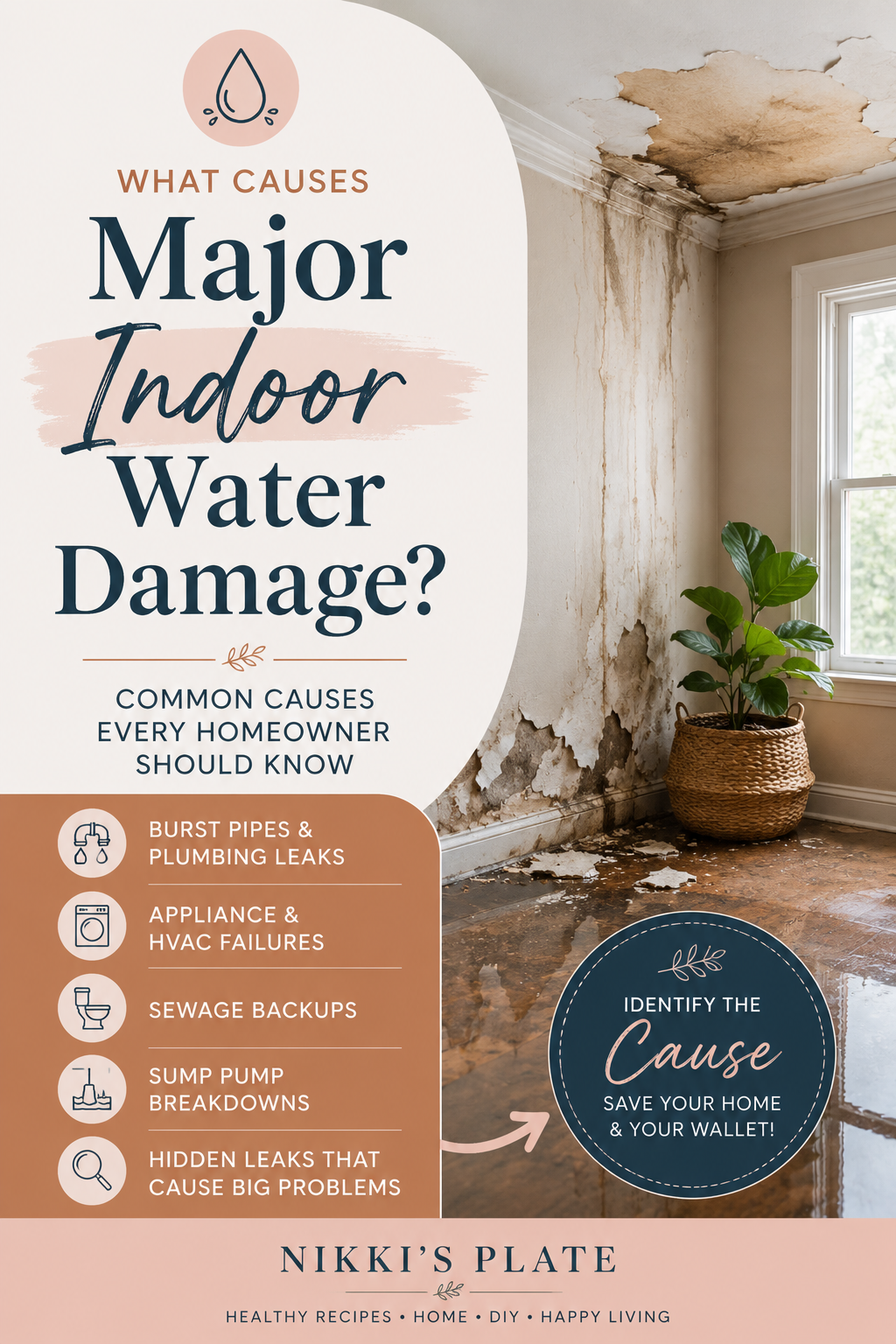
Not every wet floor or dripping pipe qualifies as a serious problem. Water damage becomes major when moisture spreads beyond the immediate source, saturates building materials, or goes undetected long enough to compromise the structure of a home.
Major incidents typically affect drywall, flooring, wall framing, or insulation, and they often carry contamination risks that a simple dry-out cannot resolve. According to FEMA flood data, even a small amount of standing water can cause significant and costly harm to a property.
What makes severity especially difficult to gauge is that a minor-looking source can quietly become a serious one. A slow leak behind a wall, for example, may cause more structural damage over weeks than a visible flood would in hours. Hidden moisture creates ideal conditions for mold growth, which compounds both the health risk and the repair cost.
What Counts as Major Indoor Water Damage
Not every drip or damp patch warrants the same level of concern. The threshold for major water damage generally involves one or more of the following: significant spread beyond the original source, prolonged saturation of building materials, contamination risk, or measurable impact on drywall, flooring, framing, or insulation.
What catches many homeowners off guard is that even a small source can cross that threshold when it stays hidden or goes unaddressed. A pinhole leak inside a wall may seem trivial, yet over time it can quietly rot framing, saturate insulation, and trigger mold growth that spreads well beyond the original site. According to FEMA flood data, even modest water intrusion can escalate into costly structural damage faster than most people expect. That connection between source, time, and severity is what the rest of this article is built around.
The Indoor Causes That Do the Most Damage
Some indoor water sources become catastrophic faster than others, and the difference usually comes down to volume, location, and how long the source goes undetected. A leak inside a wall behaves very differently from one on an open floor, and understanding that distinction helps homeowners respond with the right level of urgency.
Pipe Failures and Hidden Plumbing Leaks
Burst pipes and frozen pipes sit at the top of the risk scale because they can discharge significant volumes of water in a very short time, flooding rooms before the source is even located. Knowing what to do when a pipe bursts is critical in those moments, since the window between rupture and serious damage can be very narrow.
However, the dramatic event is not always what causes the worst outcome. Small, slow leaks hidden inside walls or beneath sinks can saturate insulation, rot framing, and fuel mold growth over weeks before anyone notices. In many cases, those quieter plumbing failures end up causing more long-term harm than a burst pipe that gets caught quickly.
Appliances, HVAC, and Drainage Failures
Appliance malfunction is a category homeowners frequently underestimate. Washing machines, dishwashers, refrigerators with ice makers, and aging water heaters all carry the potential to leak steadily or fail completely, sometimes releasing water directly onto flooring or into wall cavities.
HVAC systems add another layer of risk through condensation buildup and clogged drain lines. When drainage is restricted, moisture accumulates around the unit and gradually saturates nearby materials. Clogged gutters contribute similarly, redirecting water toward foundations or exterior walls where it eventually finds its way indoors.
Sewage Backups and Sump Pump Breakdowns
Sewage backup and sump pump failure belong in a separate category because both events raise the stakes well beyond a standard water leak. Sewage introduces black water contamination, which requires specialized remediation rather than routine drying.
Sump pump failure is especially consequential during heavy rain events. Without a working pump, protecting your basement from seasonal water intrusion becomes nearly impossible, and what starts as manageable groundwater quickly becomes a major indoor loss.
How to Tell Which Source Is Causing the Damage
Visible symptoms often point directly to the source, and matching them correctly saves time before damage spreads further. Ceiling stains and warped flooring typically indicate water traveling from above, while peeling paint near walls, damp drywall, or a persistent musty smell often signal a slower, hidden leak rather than a sudden event.
The pattern of moisture matters as well. Sudden pooling usually points to a pipe failure or appliance malfunction, while recurring dampness in the same spot suggests drainage problems, HVAC condensation, or a slow plumbing fault. Location is another strong indicator: moisture near a utility room or kitchen wall often traces to appliances, while basement dampness tends to involve foundation drainage or sump issues.
Identifying the water category also affects how urgently homeowners should respond. Clean water from a supply line carries different risks than gray water from an appliance or black water from a sewage backup, which demands immediate action due to contamination. Controlling moisture levels indoors becomes harder once mold has already taken hold, which is why sourcing the cause early carries real weight.
Why the Cause Matters for Cleanup and Insurance
Identifying the source of water damage is not just a diagnostic step. It directly shapes how a homeowner should respond and what costs they may recover.
Homeowners insurance typically treats a burst pipe differently from gradual water intrusion or long-term neglect. Sudden, accidental events are more likely to qualify for coverage, while slow leaks that went unaddressed often face claim disputes or denial.
The water category matters just as much. Contaminated water from sewage or flood damage requires specialized remediation that goes beyond standard drying, raising both the complexity and the cost of cleanup.
Delayed response compounds the problem further. Standing water accelerates mold growth and increases the risk of structural damage to framing, flooring, and drywall. Homeowners should document the source, affected materials, and the timeline of events as early as possible to support any insurance claim.
How Can I Tell If Indoor Water Damage Is Serious?
Serious water damage typically shows up as moisture that has spread well beyond the original source, materials like drywall that feel soft or warped, or a persistent musty odor signaling mold growth beneath the surface.
Contamination is another indicator worth taking seriously, particularly when the water source involves drainage or sewage. Delayed discovery almost always increases severity, since moisture that sits unaddressed weakens structural materials and creates conditions where mold can establish itself quickly.
What Are the Most Common Indoor Sources of Water Damage?
The most frequently identified indoor sources include plumbing failures, appliance malfunction, and HVAC condensation or drainage issues. Pipes that burst, crack, or leak slowly behind walls account for a large share of serious incidents, while appliances like washing machines and water heaters contribute through gradual or sudden failures.
Sewage backup and sump pump failure represent the higher-risk end of the spectrum, introducing contamination or rapid water accumulation that standard drying cannot address on its own.
What These Causes Mean for Your Home
Not all water damage unfolds the same way. The most serious incidents tend to share three characteristics: they spread quickly, they go unnoticed for too long, and they involve water that carries contamination.
Identifying the source early determines how urgently a homeowner needs to act, which materials require professional remediation, and whether the event qualifies under homeowners insurance. A slow leak and a burst pipe both cause water damage, but they demand very different responses.
Structural damage and mold are rarely the result of a single moment. They build quietly, which is why knowing what to look for matters more than most homeowners expect.


As Seen on TikTok
Come behind the scenes of our farmhouse build, decor projects, and cozy everyday life. Tap a video to watch, then follow @nikkisplate on TikTok for more.
Watch this video on TikTok
Watch this video on TikTok
Watch this video on TikTok




Leave a Reply