
Learn how to choose clean-burning candles for a cozy home, including wax types, fragrance oils, wicks, candle care, and what to look for on labels.
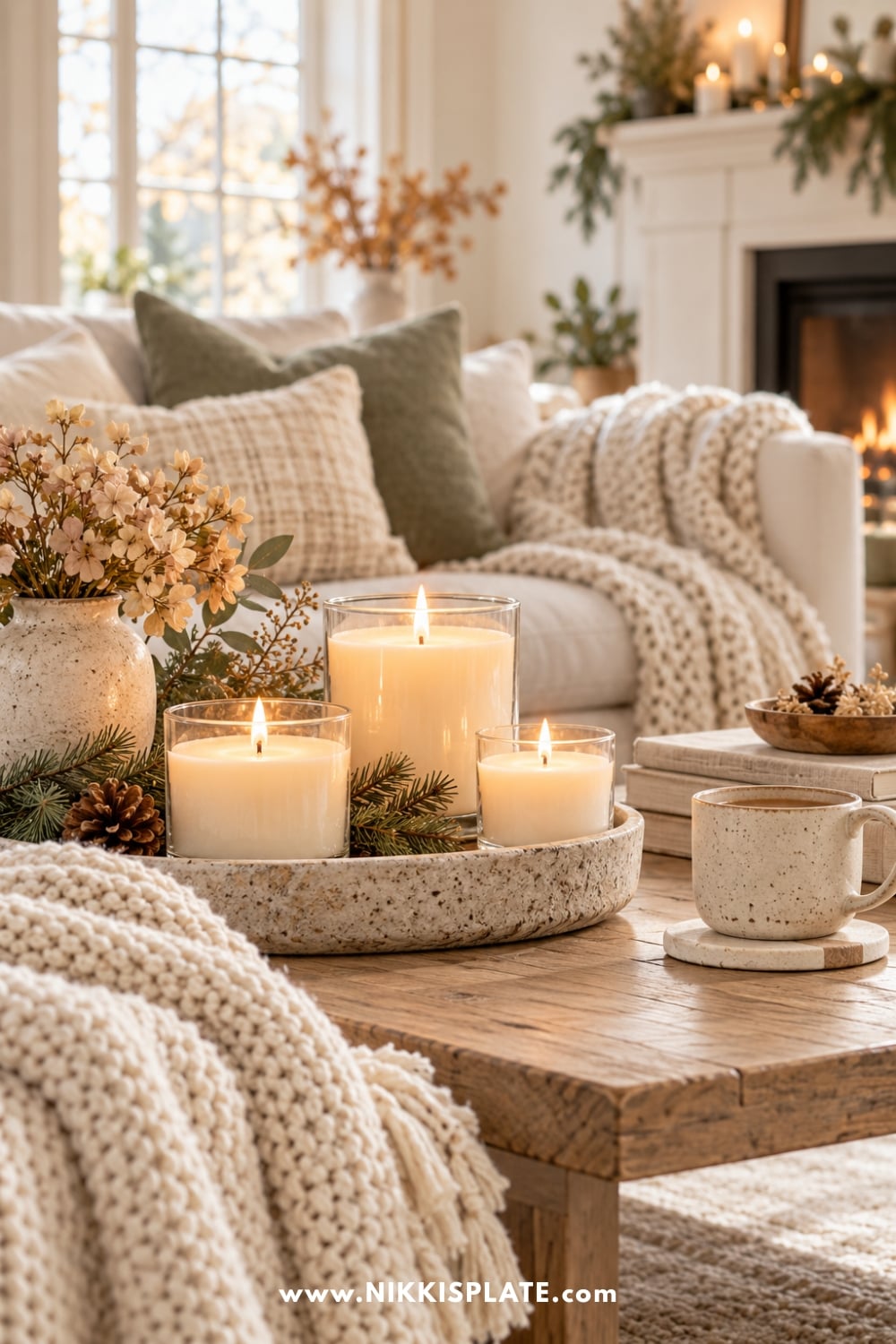
There's something about lighting a candle that instantly makes a home feel a little cozier. Whether it's a fresh scent in the kitchen, something soft and calming in the bedroom, or a warm seasonal fragrance filling the living room on a chilly evening, candles are one of those simple details that can completely change the feeling of a space.
But if you burn candles regularly, you may also find yourself paying more attention to what they're actually made from. Wax type, fragrance, wick material, burn time, and even the size of the candle can all affect how it performs in your home.
The good news is that choosing a candle doesn't have to become complicated. Rather than searching for one "perfect" ingredient, it helps to understand the basics and know what to look for on the label. Here are a few things to consider when choosing candles that feel right for your home, your style, and the atmosphere you want to create.
Start With the Feeling You Want to Create
Before getting into waxes and wicks, think about where you plan to burn your candle and how you want the room to feel.
Candles can be such an easy way to shift your home with the seasons. Light florals, citrus, and clean scents can feel beautiful during spring and summer, while warmer fragrances like vanilla, woods, spices, and baked-goods-inspired scents make a room feel especially inviting once fall arrives.
I love the idea of rotating candles the same way you might switch out throw pillows, blankets, or seasonal decor. Browsing a fall and winter candle collection can be an easy way to find scents that complement those cozy months when we naturally spend more time indoors.
You don't necessarily need a candle burning in every room, either. One thoughtfully chosen scent in the space where your family spends the most time can be enough to give your home that warm, welcoming feeling.
Understanding Different Types of Candle Wax
One of the first things you'll notice when shopping for candles is how many different wax options are available.
Traditional candles are often made with paraffin wax, while many newer and small-batch candles use alternatives such as soy, coconut wax, beeswax, or a combination of several waxes.
There are advantages and trade-offs to each type, which is why I wouldn't choose a candle based on one ingredient alone.
Paraffin Wax
Paraffin has been used in candle making for many years and remains common because it is affordable, widely available, and works well with fragrance.
Like any candle, paraffin candles can produce soot if the wick is too long, the candle is burning in a drafty area, or the wick and wax combination isn't performing properly.
If minimizing visible soot is important to you, paying attention to wick care and overall candle quality can be just as useful as looking at the wax listed on the label.
Soy Wax
Soy wax has become one of the most familiar alternatives to paraffin.
It is plant-based and often used by small candle makers, either on its own or blended with other waxes. Soy candles can offer a slow burn, although the performance of the candle will still depend on the fragrance, wick, vessel, and formulation.
Coconut Wax
Coconut wax is another popular plant-based option and is often blended with soy or beeswax.
It has a soft texture and can work especially well in scented candles, which is one reason you'll often see coconut wax included in premium wax blends.
Beeswax
Beeswax has been used for candles for centuries and is appreciated for its firmness and naturally subtle scent.
Because it is a harder wax, candle makers may also use smaller amounts of beeswax alongside softer waxes such as coconut or soy to create a blend with the characteristics they're looking for.
Why Wax Blends Can Be a Good Thing
It can be tempting to assume that a candle made from one single wax must automatically be better than a blend, but that isn't necessarily the case.
Candle making involves balancing several things at once: how evenly the candle melts, how well it carries fragrance, how stable the wax is inside the container, and how long the candle burns.
Combining coconut, soy, beeswax, or other waxes allows candle makers to create a formula designed around the finished candle rather than relying on one ingredient to do everything.
Instead of avoiding blends, look for brands that are transparent about what they use.
Essential Oils vs. Fragrance Oils
Another common question when shopping for candles is whether essential oils or fragrance oils are the better option.
Essential oils may sound like the obvious choice because they come from botanical sources, but "natural" doesn't automatically tell you how well an ingredient will perform in a candle.
Candles reach much higher temperatures than products such as lotions, room sprays, or diffusers. Because of that, scent ingredients need to work properly within a heated wax formulation.
Fragrance oils created specifically for candle making can allow candle makers to achieve a consistent scent while also choosing formulations that meet their own ingredient standards.
Rather than judging a candle solely by whether the label says "essential oil" or "fragrance oil," look for a company that is clear about its fragrance ingredients and how its candles are made.
Read the Label Before You Buy
One of the simplest habits you can get into is turning the candle around and actually reading the label.
Look for information about:
- The type of wax used
- The wick material
- Fragrance information
- Net wax weight
- Burn instructions
- Recommended burn time
- Candle-care directions
Transparent labeling makes it much easier to compare products and understand what you're bringing into your home.
And don't be afraid to visit the candle maker's website if the jar itself doesn't have enough room for all the details. Smaller brands in particular often share much more information online about their wax blends, fragrance choices, sourcing, and candle-making process.
Pay Attention to Net Wax Weight
Candle size can be surprisingly confusing.
A large jar doesn't necessarily mean you're getting significantly more candle. The shape and thickness of the vessel, space beneath the lid, and room needed above the wax can all affect how much wax is actually inside.
That's why net wax weight is more useful than judging a candle by the dimensions of its container.
If you're comparing two candles, check the number of ounces or grams of wax rather than simply looking at which jar appears larger.
Don't Forget About the Wick
The wick may be tiny, but it has a huge job.
A wick that is too large can create an oversized flame and excessive soot, while one that is too small may struggle to melt the wax evenly across the surface.
Wooden wicks can create a cozy crackling effect, while traditional cotton wicks offer a classic candle-burning experience. Neither option automatically makes a candle better; what matters most is that the wick has been properly paired with the wax, fragrance, and vessel.
This is one area where buying from candle makers who test their products carefully can make a difference.
Candle Care Matters Too
Even a beautifully made candle needs a little care once you bring it home.
Trim the wick according to the manufacturer's directions before lighting it, and keep your candle away from fans, open windows, and other drafts that can make the flame flicker.
During the first burn, allowing the wax to melt evenly across the surface can also help prevent tunneling and encourage a more even burn later.
And, of course, never leave a burning candle unattended or within reach of children or pets.
Use Scent as Part of Your Seasonal Decor
One of my favorite things about candles is that they add something to a room that you can't create with furniture or decor alone.
Fall might mean warm apple, spice, vanilla, or woodsy scents. Around Christmas, you may gravitate toward evergreen, cranberry, baked treats, or cozy fireplace-inspired fragrances. Once spring arrives, those heavier scents can be swapped for something fresh, floral, or citrusy.
It's such a small seasonal change, but it can make your home feel completely different.
You can even coordinate fragrance with the room itself. A cozy vanilla or wood scent can work beautifully in a living room, while something fresher may feel more appropriate in a kitchen or bathroom.
Creating a Cozy Home Is About the Little Details
At the end of the day, choosing a candle doesn't need to involve memorizing a long list of ingredients or deciding that one particular wax is always better than another.
Look at the candle as a whole. Consider the wax blend, fragrance, wick, net weight, craftsmanship, and information the company provides about its products. Most importantly, choose scents you genuinely enjoy and will look forward to lighting in your home.
Candles are one of those simple luxuries that can make an ordinary evening feel a little more special. Whether you're curling up under a blanket in the middle of winter or refreshing your home for a new season, a thoughtfully chosen candle adds warmth, fragrance, and that final cozy layer that makes a house feel like home.


As Seen on TikTok
Come behind the scenes of our farmhouse build, decor projects, and cozy everyday life. Tap a video to watch, then follow @nikkisplate on TikTok for more.
Watch this video on TikTok
Watch this video on TikTok
Watch this video on TikTok


Leave a Reply