
Learn how to spot lawn watering problems early, including dry patches, soggy areas, sprinkler leaks, uneven coverage and rising water bills.
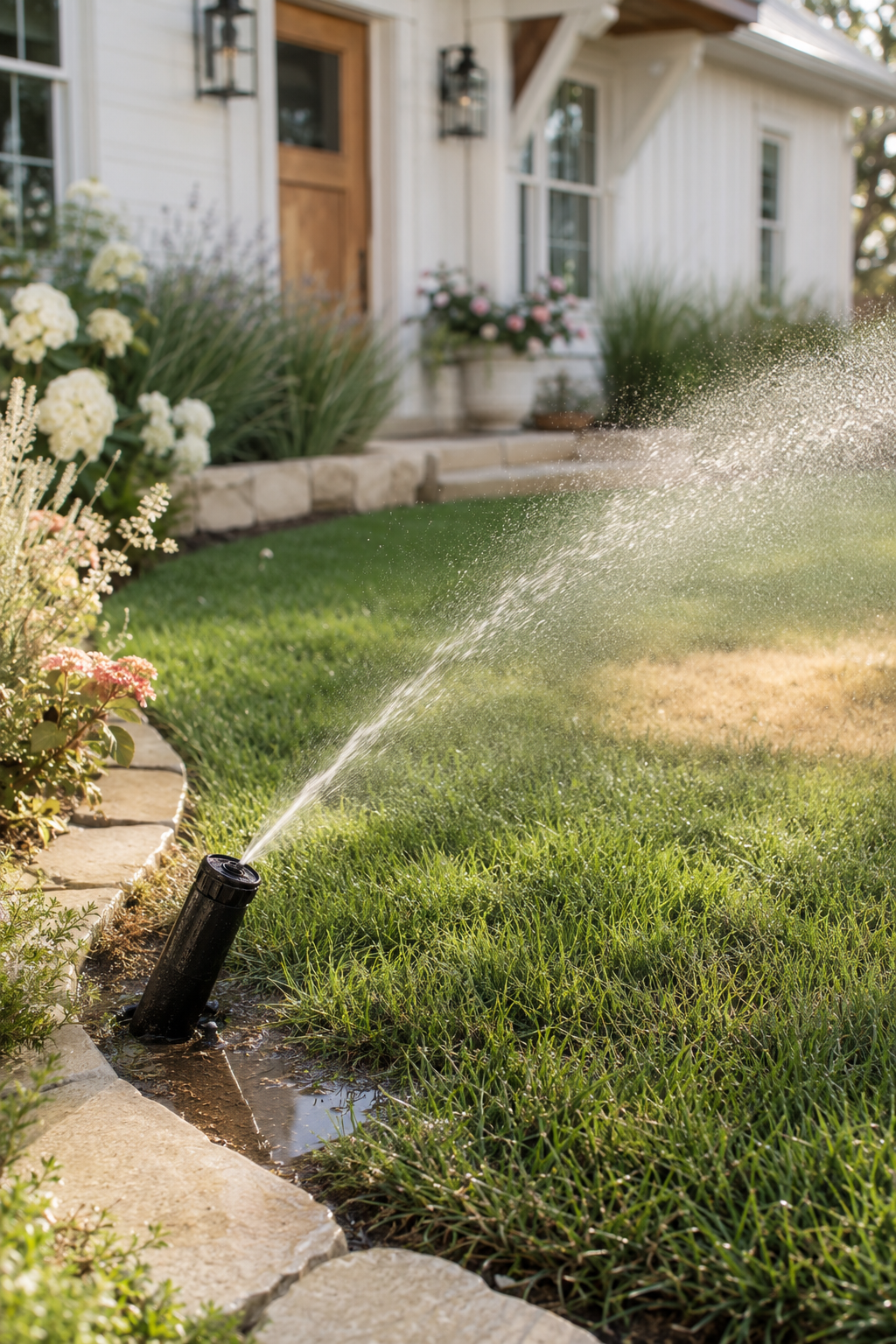
If your lawn has started acting dramatic for no clear reason, you might be dealing with lawn watering problems-and your sprinkler system may be the one stirring the pot. A few yellow patches or one soggy corner might seem harmless at first, but those small changes can quickly affect the health and appearance of your yard.
Uneven sprinkler coverage, clogged nozzles and hidden leaks can leave some areas thirsty while others receive far too much water. In a warm climate like Lehigh Acres, where lawns need consistent watering throughout the year, even a minor issue can waste water, raise your utility bill and damage your landscaping.
Fortunately, most sprinkler problems leave noticeable clues before they become expensive repairs. Here are the early warning signs to watch for, a few simple checks you can perform and how to know when it is time to call a professional.
Clues in Your Yard
Your yard usually tells you when something is wrong. You just have to notice the little hints before they become giant flashing signs. Dry circles in one area and muddy spots in another often point to uneven sprinkler coverage. Grass that grows faster in one strip can also mean one zone is getting too much water while another barely gets a sip.
You might also spot water spraying onto the driveway or sidewalk instead of the lawn. That is not your sprinkler being creative. It usually means a head is tilted, cracked, or blocked. When considering sprinkler repair in Lehigh Acres, keep in mind that pooling water, loose nozzles, cracked pipes, and sunken heads are the faults that show up most often, and none of them get better with time.
Another clue is your water bill. If your routine has not changed but the bill has climbed, your system may be leaking underground or running inefficiently. Your lawn may not send a text message, but it definitely leaves receipts.
Why Small Leaks Matter
A tiny leak sounds harmless. It is small. It is quiet. It does not look like a backyard disaster. But sprinkler leaks have a sneaky way of causing trouble over time. What starts as a slow drip can soften the soil, weaken plant roots, and create patches of lawn that never seem to recover.
Leaks can also wash away mulch, create slippery walkways, and attract weeds that love extra moisture. If a zone is underperforming because of low pressure, parts of your lawn may dry out even while water is being wasted somewhere else. That is the frustrating part. You pay for water that is not helping.
There is also the issue of timing. Many people run sprinklers early in the morning and never actually watch them work. So a problem can linger for weeks before anyone sees it. By then, your grass may be fading, and your landscaping may already be stressed. Catching a small issue early is usually much easier than fixing a full lawn comeback story later.
Common Causes of Lawn Watering Problems
A lot of sprinkler issues come from ordinary life happening in your yard. Lawnmowers bump heads out of place. Kids step on them. Dogs decide a sprinkler head is a suspicious object that must be investigated with full energy. None of this is rare.
Clogged nozzles are another common problem. Dirt, sand, and grass clippings can block the spray and make water shoot unevenly. You may end up with one part of the lawn getting soaked while another stays dry enough to crunch under your feet.
Tree roots can also cause trouble underground. As roots grow, they may press against pipes or shift parts of the system just enough to affect water flow. Even changes in the soil can tilt sprinkler heads over time.
Then there are simple wear-and-tear issues. Rubber seals age. Plastic parts crack in the heat. Connections loosen. Florida weather does not exactly baby outdoor equipment. If your system has been around for a while, a few parts may just be tired and ready for retirement.
Simple Checks to Try
You do not need to be a sprinkler wizard to do a basic check. Start by running one zone at a time and walking the yard while it is on. Yes, you may get a little wet. Consider it part of the full homeowner experience.
Look for heads that do not pop up, spray in the wrong direction, or produce a weak mist instead of a steady pattern. Notice whether water is pooling around one sprinkler or bubbling up from the ground nearby. That can point to a leak or a broken fitting below the surface.
Check whether all areas in the zone are getting water. If one section stays dry, there may be a clog or pressure issue. You can also look at the lawn itself. Soil that feels mushy in one spot and bone-dry in another is a strong hint that coverage is off.
Keep it simple and safe. Do not dig around blindly or take apart parts you are not comfortable handling. The goal is to spot clear signs, not turn a small repair into a backyard treasure hunt gone wrong.
When To Call Help
Some sprinkler issues are easy to spot but not so easy to fix. If a head is obviously crooked, you may be able to adjust it. But if the same area keeps failing, or if water pressure drops across a whole zone, it is probably time to call in help.
Hidden leaks are one of the biggest reasons to bring in a professional. If you have soggy ground with no visible spray problem, there may be a cracked pipe underground. Valve problems are another common issue. When a zone will not turn on, will not shut off, or runs unevenly, the fix usually goes beyond a quick DIY tweak.
You should also get help if your system seems to be wasting water week after week. A repair is often cheaper than letting the problem drag on through high bills and damaged landscaping. When a lawn issue keeps returning after your best efforts, that is usually your sign. The sprinkler system is asking for backup.
Keep Problems From Returning
Once your system is working properly, a little routine care can keep it that way. One of the easiest habits is to watch your sprinklers run once in a while instead of setting them and forgetting them. A five-minute check every few weeks can catch a lot.
Trim grass and plants around sprinkler heads so spray is not blocked. After mowing, take a quick walk and make sure no heads got bumped. If you notice one starting to lean or spray sideways, fix it early before it turns into a bigger issue.
It also helps to adjust watering with the season. Your lawn does not need the same amount of water all year. Running the system too often can stress plants just as much as not watering enough. Think of it as balance, not a daily flood festival.
Final Thoughts
Preventing lawn watering problems does not have to be complicated. Watch your sprinklers run every few weeks, keep grass and plants trimmed away from the heads, and check that nothing was bumped or damaged after mowing. Adjusting your watering schedule with the seasons can also help protect your landscaping while preventing unnecessary water waste.
A healthy lawn is much easier to maintain when your sprinkler system works quietly and efficiently in the background. Pay attention to small changes, address problems early and call a professional when an issue keeps returning. A little routine care now can help keep your grass greener, your water bills under control and your weekends considerably less soggy.

As Seen on TikTok
Come behind the scenes of our farmhouse build, decor projects, and cozy everyday life. Tap a video to watch, then follow @nikkisplate on TikTok for more.
Watch this video on TikTok
Watch this video on TikTok
Watch this video on TikTok




Leave a Reply