
Explore this blog post, 'What is a Barndominium?' for an in-depth understanding of this unique, trending blend of barn and condominium. Discover why many are choosing Barndominiums as their new homes and explore cost, advantages, design, and more. Dive into the world of modern, efficient living!
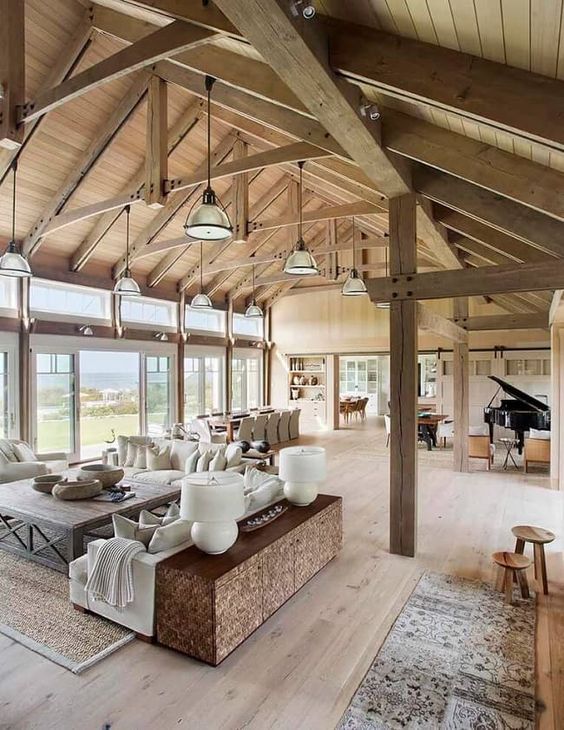
Hi beauties! Ever wondered what all the buzz is about barndominiums? These stunning homes are taking over Pinterest and home-build blogs everywhere - and for good reason! A barndominium (or "barndo") blends the charm of a rustic barn with the comfort and style of a modern home. Think soaring ceilings, open-concept layouts, and a cozy-meets-contemporary vibe that feels right at home in both the country and the suburbs.
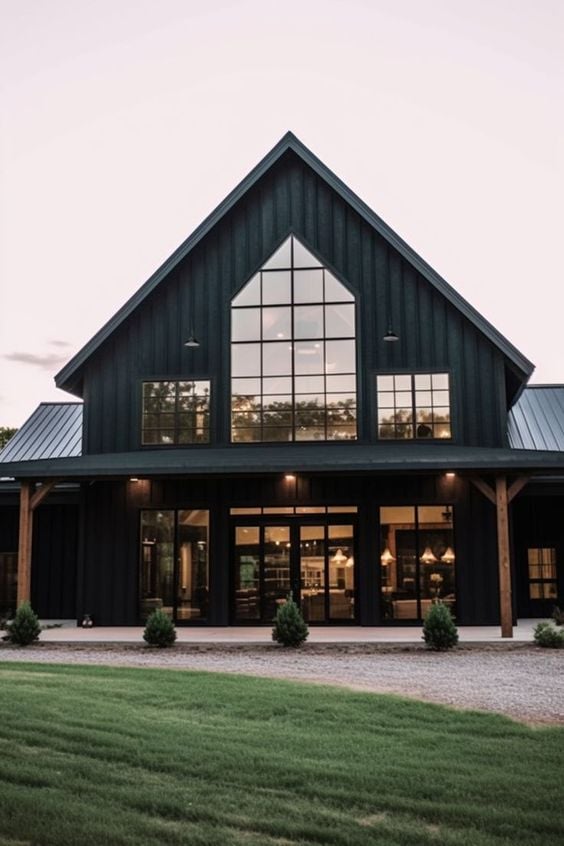
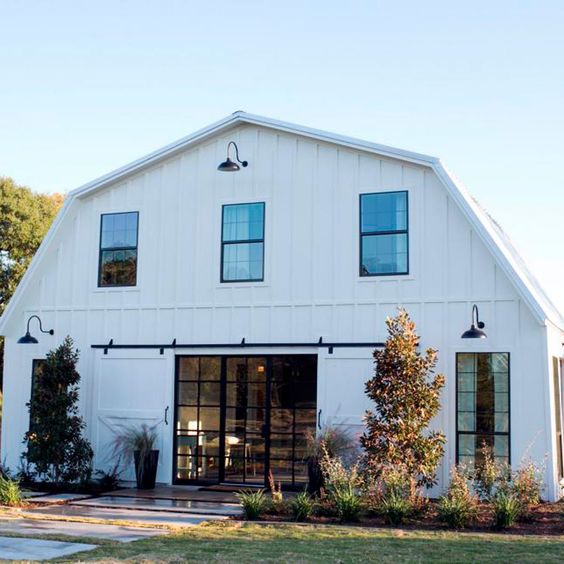
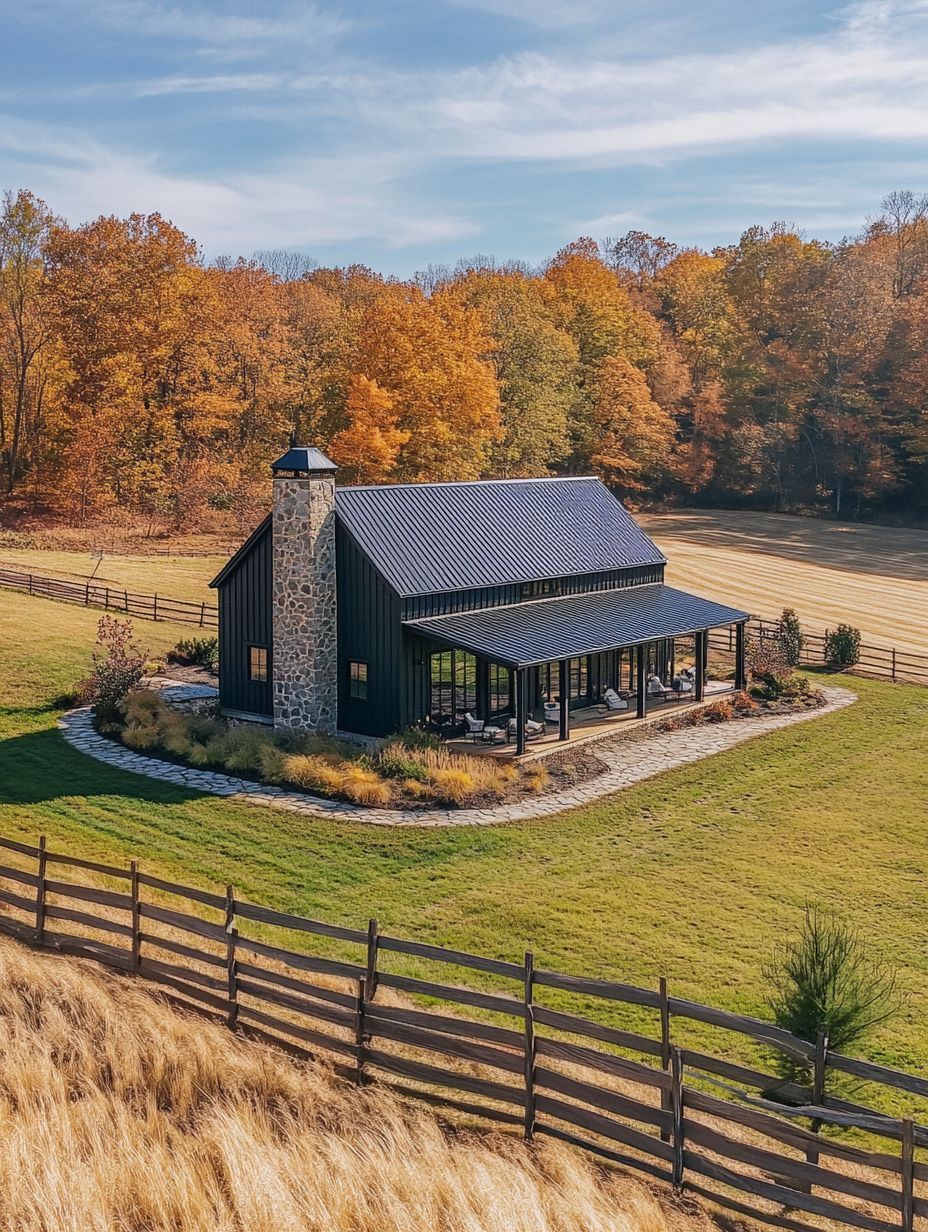
Whether you're dreaming of a black metal-sided barn house tucked into the trees or a white farmhouse-style barndo with a wraparound porch, this guide breaks down what a barndominium is, how much it costs to build, and the design ideas that make them so irresistible. You'll also find floor plan inspiration, pros and cons, and plenty of Pinterest-worthy images to help you start planning your dream build.
So if you've ever caught yourself saving "modern barn homes" or "barndominium exteriors" on Pinterest - this post is for you. Let's dive into everything you need to know about building, designing, and living in a barndominium.
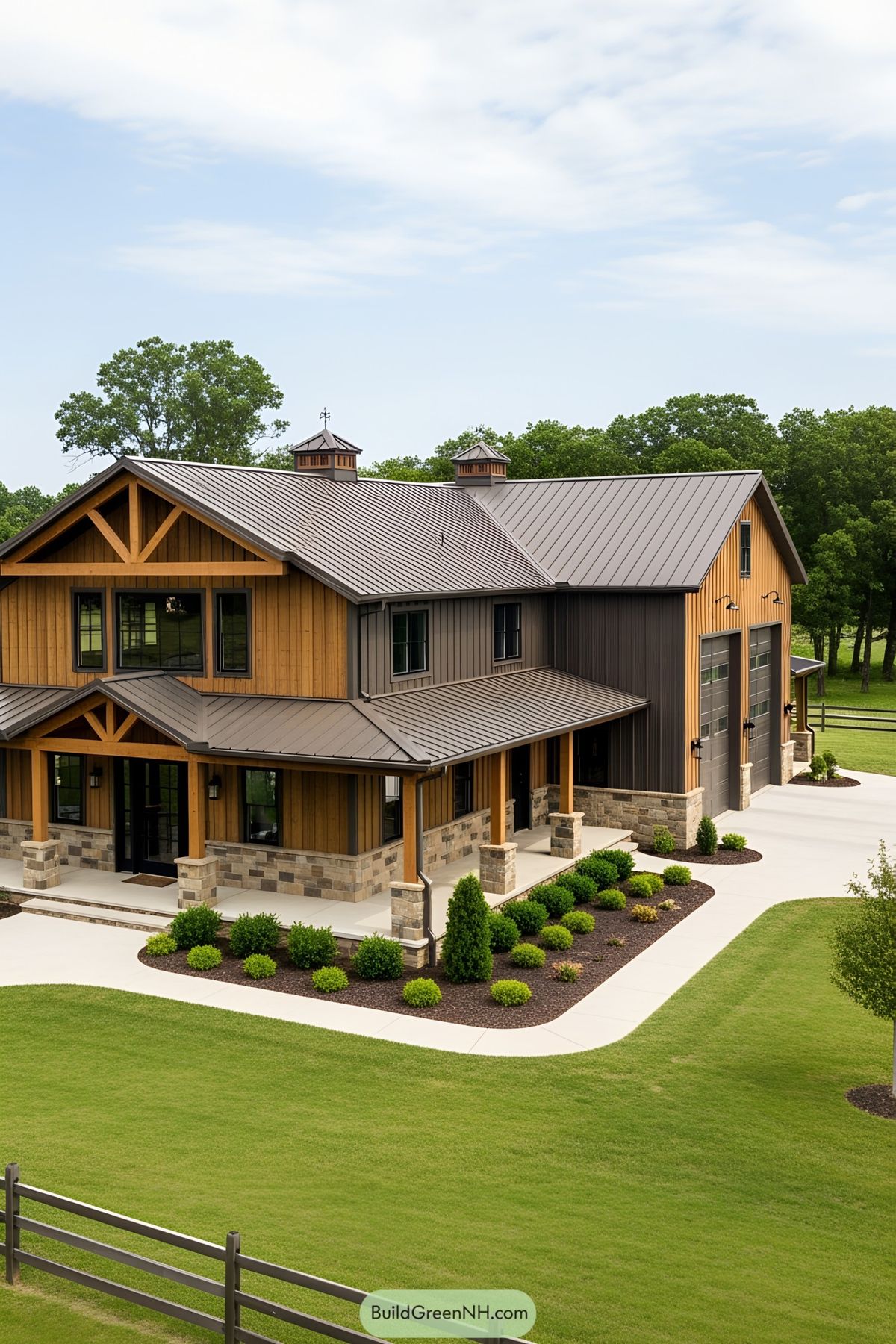
What is a Barndominium?
The Meaning Behind the Term "Barndominium"
A barndominium-often called a "barndo"-is a unique hybrid of a barn and a home. Think of it as a barn-style home designed for comfortable, modern living. Traditionally built from steel or post-frame structures, barndominiums combine the spacious layout and rustic charm of a barn with the amenities and design flexibility of a custom house.
Homeowners love barndominiums because they offer open-concept living, high ceilings, and plenty of natural light, all while being durable and affordable to build. Whether finished with a modern farmhouse feel or a sleek industrial vibe, these homes provide endless opportunities for personalization-making them a favorite for families, hobby farmers, and rural dreamers alike.
The History and Popularity of Barndominiums
The concept of the barndominium first gained attention in Texas in the 1980s, when developer Karl Nilsen coined the term to describe a working barn with living quarters attached. Originally, these homes were designed for ranchers who wanted to live close to their livestock. Over time, the idea evolved-today's barndominiums are less about housing animals and more about creating stylish, cost-effective homes with a rustic-modern twist.
In the last decade, barndominiums have exploded in popularity across North America, thanks to shows like Fixer Upper, social media inspiration, and the rise of DIY homebuilding kits. With their energy efficiency, low maintenance, and customizable design options, barndominiums are now a top choice for homeowners looking to build a one-of-a-kind residence that blends country charm with contemporary design.
Key Features of a Barndominium
Exterior Design Elements (Steel, Wood, and Modern Finishes)
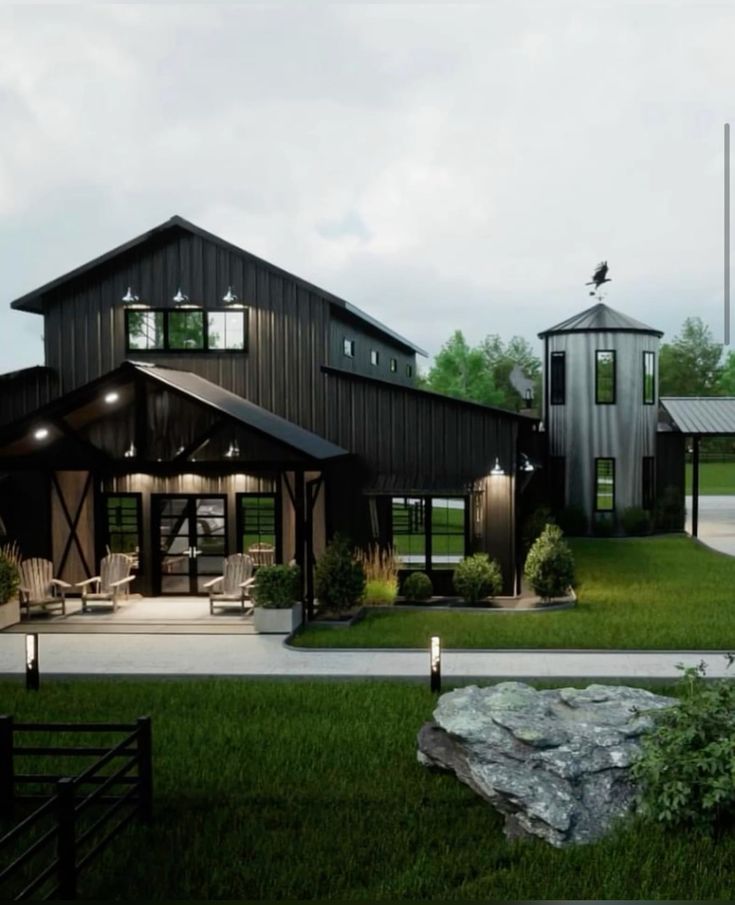
The exterior of a barndominium is one of its most recognizable features - sleek metal siding, rustic wood accents, and clean architectural lines come together to create that perfect mix of country charm and modern design. Most barndominiums are built with steel or post-frame structures, which makes them strong, weather-resistant, and low-maintenance.
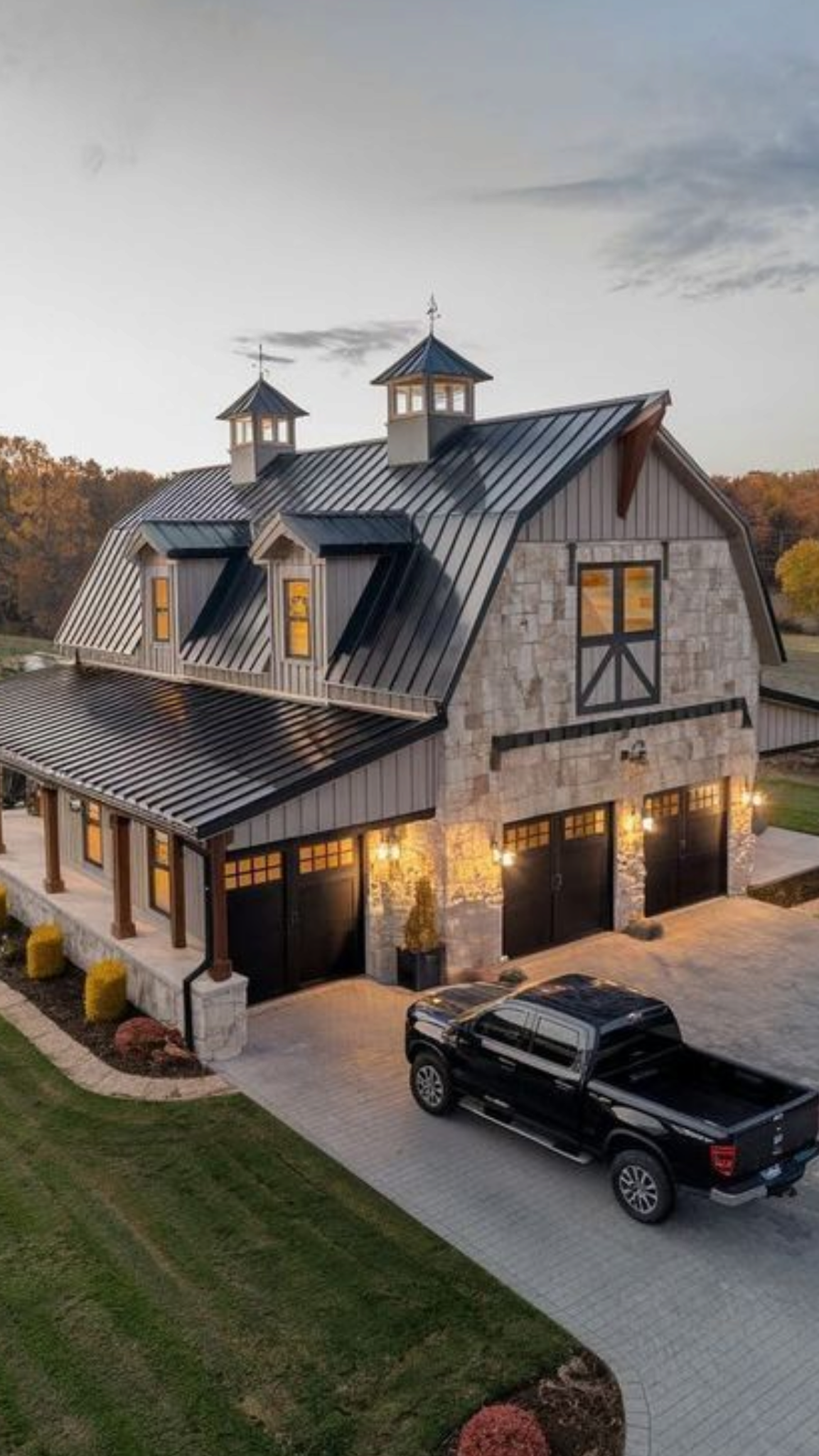
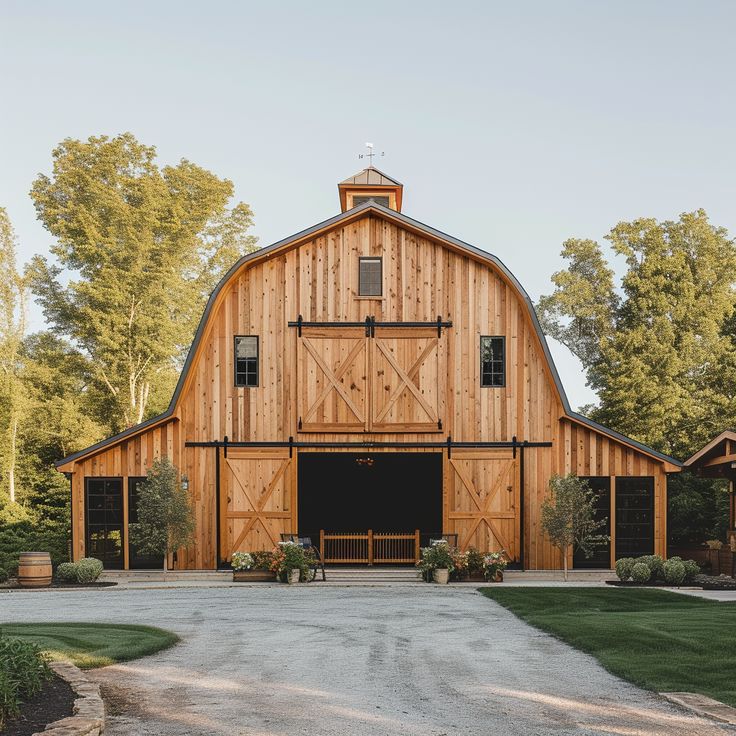
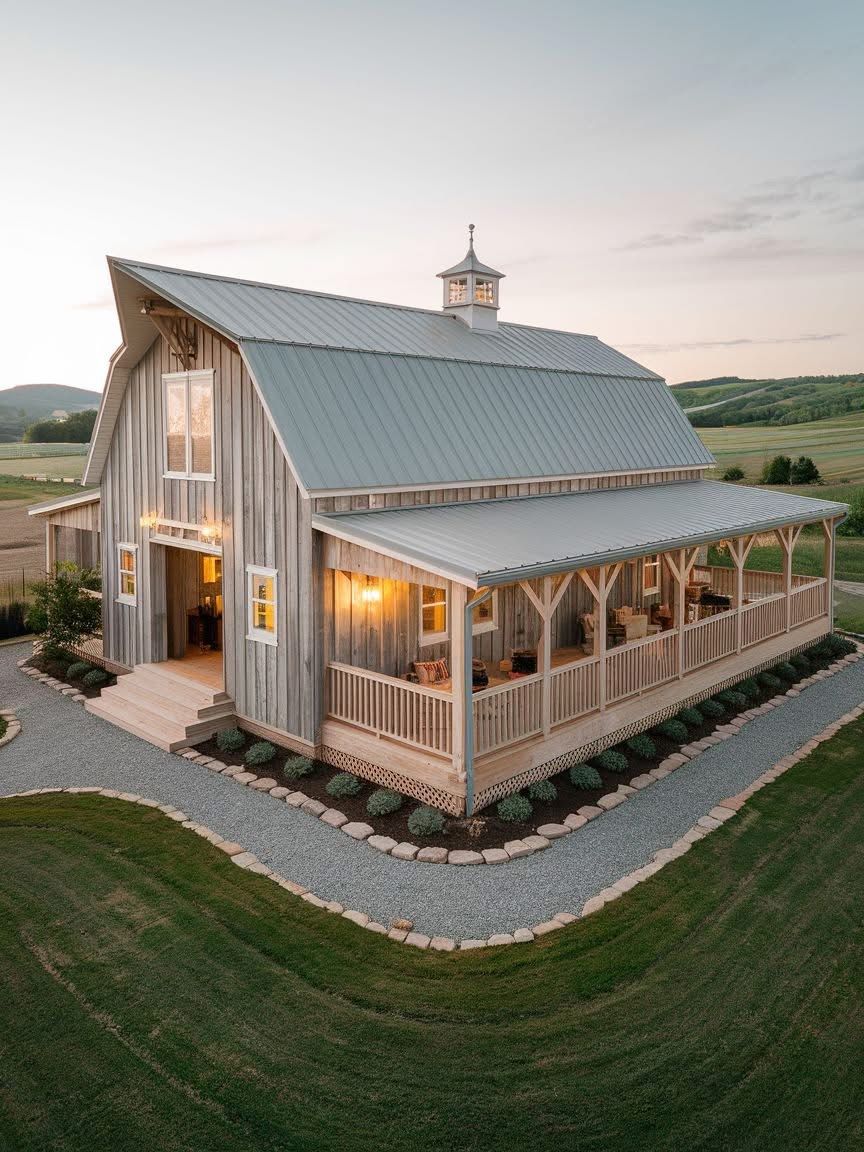
You can completely customize the exterior look, from classic red barn vibes to black modern farmhouse or even a natural wood-toned aesthetic. Many homeowners add covered porches, dormers, or wrap-around decks for that warm, welcoming touch. The result? A durable, timeless design that turns heads and fits beautifully into rural or suburban landscapes.
Interior Layout and Open-Concept Living
Inside, barndominiums are all about space and light. These homes typically feature open-concept floor plans, high vaulted ceilings, and oversized windows that make every room feel bright and airy. Think large living areas that flow seamlessly into the kitchen and dining spaces - perfect for families, entertaining, or anyone craving a relaxed country lifestyle.
Because the framing is usually steel (not load-bearing walls), you have complete freedom to design the layout exactly how you want it - whether that's a lofted second floor, a farmhouse living room, or a combined shop-and-home layout. It's the flexibility that traditional stick-built homes just can't offer.
Energy Efficiency and Durability Benefits
Another reason homeowners are loving barndominiums is their energy efficiency and long-term durability. Steel frames and tight insulation make these homes easier to heat and cool, helping you save on utility bills. With metal roofing and siding, they're also resistant to pests, fire, and harsh weather - ideal for those living in rural or seasonal climates.
If you opt for quality windows, spray-foam insulation, and energy-efficient HVAC systems, your barndominium can easily outperform a conventional home when it comes to comfort and cost savings. Plus, with minimal exterior maintenance and a structure built to last, you'll be spending more time enjoying your home than fixing it.
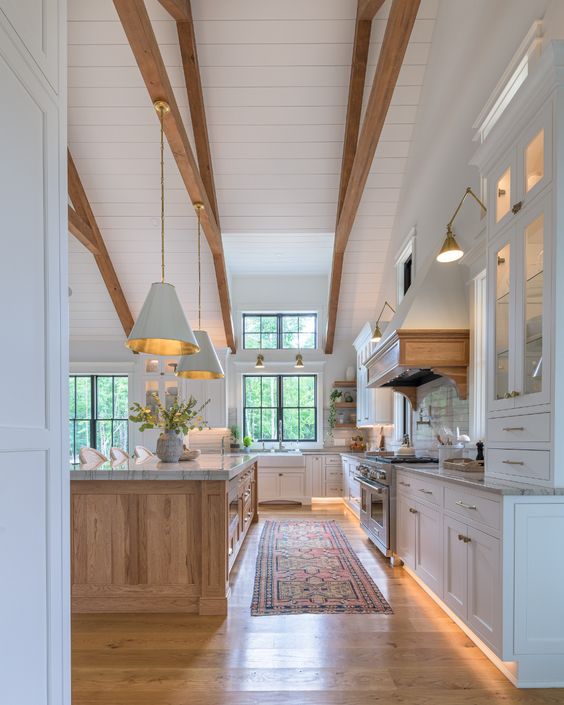
How Much Does It Cost to Build a Barndominium?
Average Cost per Square Foot in 2025
One of the biggest reasons barndominiums are trending is the affordability. As of 2025, the average cost to build a barndominium ranges from $100 to $150 per square foot, depending on finishes, materials, and location. That means you could build a beautiful, fully customized 2,000-square-foot barndo for roughly $200,000 to $300,000, compared to $400,000 or more for a traditional home of the same size.
For homeowners on a budget, that's a game changer. And if you're handy or planning a DIY build, you can save even more by purchasing a barndominium kit and managing some of the construction yourself.
Factors That Affect the Cost (Materials, Size, Location)
Several factors influence the final barndominium cost:
- Size and layout: Larger homes or those with lofts and attached shops will increase the overall cost.
- Material choices: Steel is typically cheaper and lower maintenance than wood, but interior finishes (like flooring, cabinets, and fixtures) can quickly add up.
- Location: Rural properties may have fewer building restrictions, while areas with stricter codes can raise permit and labor costs.
- Customization level: Adding luxury touches-like stone fireplaces, oversized windows, or high-end kitchens-can push the price closer to traditional home builds.
The beauty of a barndominium is that you control where to splurge and where to save, tailoring your home to fit your lifestyle and budget.
Cost Comparison: Barndominium vs Traditional Home
Compared to a stick-built home, a barndominium is often 20-40% more affordable to build and maintain. The steel frame requires less upkeep over time, and because the structure goes up faster, you'll save on labor and construction timelines too.
Traditional homes may have more complex framing, multiple load-bearing walls, and higher finishing costs, while barndominiums offer a simplified, efficient build process. In short, you're getting a durable, customizable, and stylish home-without the hefty price tag or long construction wait.
Barndominium Floor Plans and Layout Ideas
One-Story Barndominium Layouts
A one-story barndominium offers simplicity, accessibility, and open living all on one level - perfect for families with young kids or anyone planning to age in place. These layouts usually feature a large central living area, spacious kitchen, and bedrooms branching off either side for privacy.
Many one-level barndominiums also include attached garages or workshops, so everything you need is just steps away. With fewer stairs, faster build times, and lower construction costs, this layout is ideal for practical, budget-friendly living without sacrificing style.
Two-Story Barndominium Floor Plans
If you're dreaming of soaring ceilings and a dramatic loft view, a two-story barndominium is the way to go. These designs often include a main-level great room and upstairs loft or bedrooms, giving you more square footage without increasing your building footprint.
You can even dedicate the upper floor to guest rooms, an office, or a cozy family lounge overlooking the main living area. The best part? Two-story barndominiums maintain that open, airy feel while giving you room to grow.
Barndominiums with Shop or Garage Space
One of the signature benefits of a barndominium is the option to include shop or garage space directly within your home design. For rural homeowners, hobbyists, or anyone needing extra storage, this layout is a dream.
A barndominium with shop space can include a large roll-up door, high ceilings for equipment or vehicles, and a seamless transition between workspace and living area. Whether you're running a small business from home or just want a place for your tools and toys, this layout combines function and flexibility beautifully.
Pros and Cons of Living in a Barndominium
Advantages of Barndominium Living
There's a reason barndominiums have become one of the most popular home trends in recent years - they offer a ton of perks that traditional homes can't compete with.
- Affordability: Barndominiums are often cheaper to build and maintain than conventional houses. Their simplified construction and durable materials make them budget-friendly without sacrificing comfort or style.
- Customization: From open-concept layouts to lofted bedrooms and attached workshops, barndos are incredibly flexible. You can design your dream home exactly how you want it - whether that's a rustic farmhouse look or a modern industrial retreat.
- Durability: With steel framing and metal siding, barndominiums are built to last. They're resistant to pests, mold, and extreme weather - perfect for anyone living in rural or seasonal climates.
- Energy Efficiency: Proper insulation and modern HVAC systems can make barndominiums surprisingly energy efficient, saving money on heating and cooling over time.
- Fast Build Time: Because of their simple framing and prefabricated kits, barndominiums can go from foundation to finished home in half the time of a traditional build.
Drawbacks or Challenges to Consider
As charming as barndominium living is, there are a few things to keep in mind before committing to a build.
- Zoning and Permits: Depending on where you live, local zoning laws can be tricky. Some municipalities don't yet recognize barndominiums as standard residential structures, which can complicate permits or financing.
- Financing Challenges: While barndominiums are gaining popularity, some lenders remain hesitant to finance them - especially if they're unconventional builds or located on rural property. Working with a builder experienced in barndos can help overcome this.
- Acoustic and Temperature Control: Metal structures can echo more than wood-framed homes and may require extra insulation or soundproofing for comfort.
- Resale Market: Because barndominiums are still considered a niche trend in some areas, resale values can vary based on location and buyer demand.
Despite these minor drawbacks, most homeowners find that the benefits far outweigh the challenges. With the right builder and thoughtful planning, a barndominium can be both a practical investment and a truly one-of-a-kind home.
Design Ideas for Modern Barndominiums
Rustic Farmhouse Style Barndominiums
If you love that cozy, lived-in charm, a rustic farmhouse-style barndominium might be your dream home aesthetic. Think exposed wood beams, sliding barn doors, white shiplap walls, and warm natural textures that bring a sense of comfort and nostalgia.
To elevate the look, pair reclaimed wood accents with modern finishes-like black window frames, industrial lighting, or matte hardware-for that perfect blend of old and new. Add cozy touches like neutral textiles, layered rugs, and vintage decor pieces to make your barndominium feel inviting and timeless.
Modern Minimalist Barndominiums
For a clean, contemporary look, go for a modern minimalist barndominium design. These homes feature sleek lines, large windows, and neutral color palettes-often black, white, and soft gray. The focus here is simplicity and functionality, with open spaces, polished concrete floors, and uncluttered layouts.
This style highlights the architectural beauty of the barndo itself, letting the structure's shape and light do the talking. Add warmth through natural wood tones, greenery, or textured fabrics for a touch of balance.
Luxury Barndominium Interiors
If you're going all-out, luxury barndominiums combine rustic charm with high-end finishes for a magazine-worthy result. Think soaring ceilings, custom cabinetry, spa-like bathrooms, and gourmet kitchens with quartz counters and designer lighting.
You can still keep that country character by mixing in natural elements-like stone fireplaces, wood beams, or oversized farmhouse tables-but everything feels elevated and refined. It's the ultimate mix of sophistication and comfort.
Exterior Color and Material Inspiration
When it comes to curb appeal, barndominium exteriors can be as unique as the interiors. Popular color palettes include:
- Black Barndominiums: Moody and bold
- White Barndominiums: Timeless and modern farmhouse approved.
- Natural Wood and Stone: Earthy tones that blend seamlessly into rural settings.
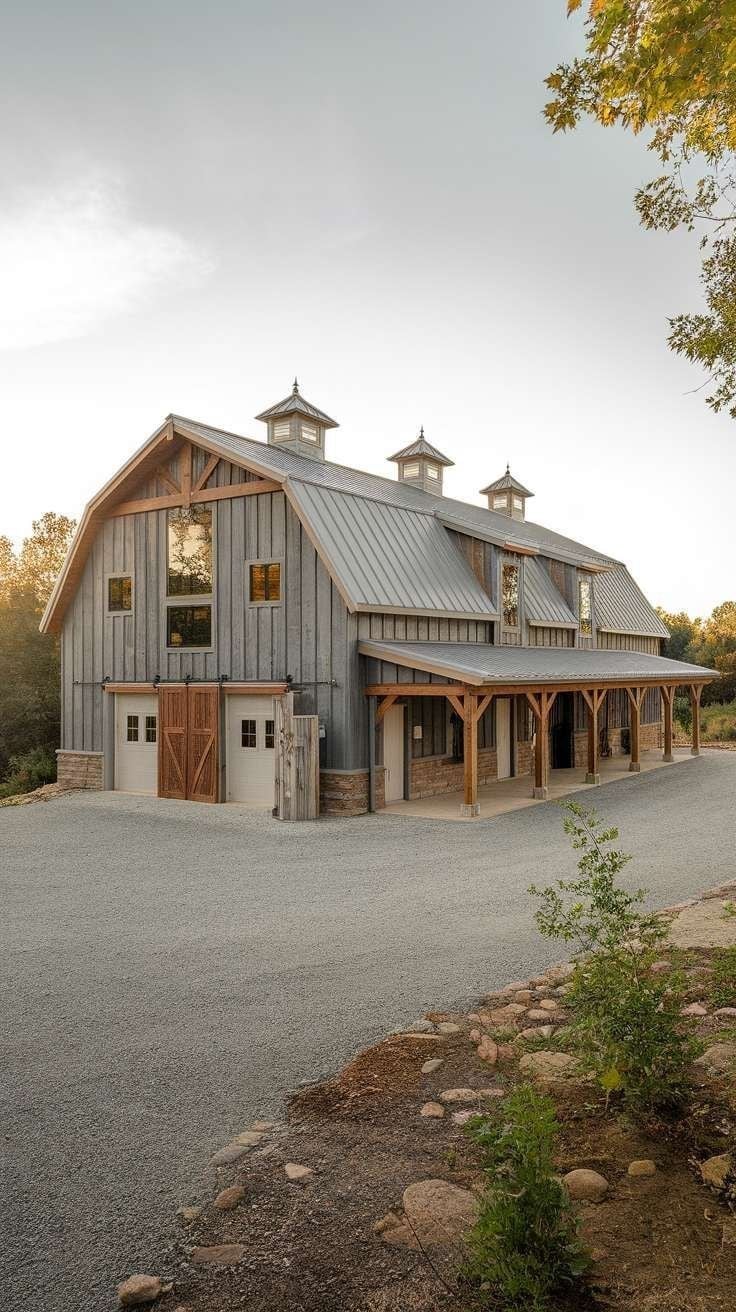
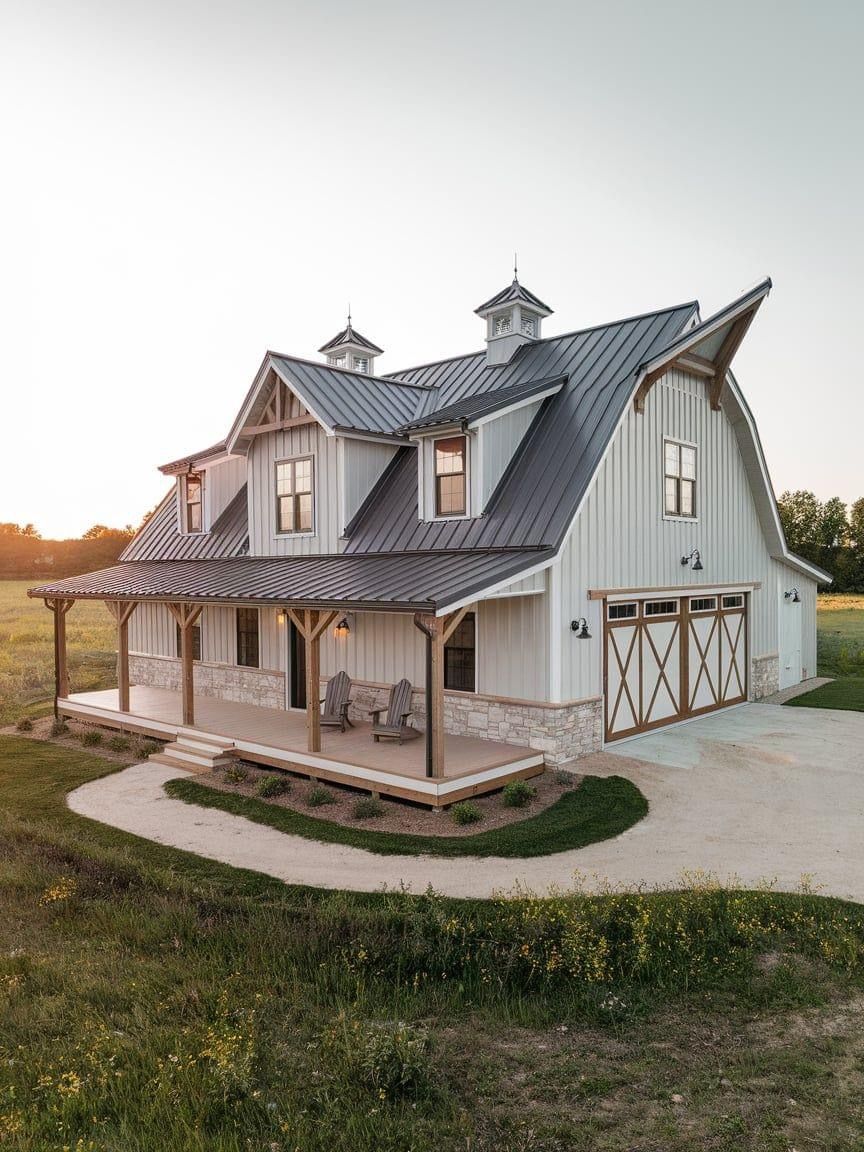
- Steel Gray with Warm Wood Accents: Sleek yet cozy for a balanced aesthetic.
Mix materials like metal siding, cedar, and limestone to create depth and texture. Add outdoor living features-like wraparound porches, covered patios, or string-lit pergolas-to complete that dreamy, country-meets-modern feel.
Barndominium vs Other Home Types
Barndominium vs Traditional Stick-Built Homes
When comparing a barndominium to a traditional home, the biggest difference comes down to structure and cost. Stick-built homes rely on wooden framing and multiple load-bearing walls, which means more materials, longer build times, and higher labor costs.
Barndominiums, on the other hand, are built with steel frames that go up quickly and allow for wide-open interiors. They're typically 20-40% more affordable to build, depending on your location and finishes. Plus, maintenance tends to be easier thanks to durable metal siding and roofing.
While traditional homes may appeal to buyers who prefer familiar layouts, barndominiums are ideal for those wanting something custom, cost-effective, and modern-without compromising on comfort or style.
Barndominium vs Pole Barn Homes
The terms barndominium and pole barn home are often used interchangeably, but there's a subtle difference. Both use post-frame construction, but barndominiums are finished as full-time residences, while pole barns are often designed for storage, workshops, or agricultural use.
A barndominium typically includes insulated walls, finished interiors, plumbing, and HVAC systems, whereas a pole barn may not. Think of it this way: all barndominiums are pole barns, but not all pole barns are barndominiums.
If you're after a livable, stylish home, the barndo wins hands down. If you just need functional space for storage or farm equipment, a pole barn may be the more practical option.
Barndominium vs Modular or Prefab Homes
When comparing a barndominium vs modular home, it comes down to flexibility and personalization. Modular homes are built in sections at a factory and then assembled on-site-great for speed and consistency but limited when it comes to custom layouts.
Barndominiums, on the other hand, give you complete creative control over the design. You can choose your size, structure, finishes, and even integrate a shop or garage directly into your home plan. They're a bit more hands-on during the building process, but the reward is a home that feels uniquely yours.
In short: modular homes offer convenience, while barndominiums offer customization. If you love the idea of tailoring every detail, a barndominium might just be your perfect fit.
How to Build a Barndominium
Step-by-Step Overview (From Land to Move-In)
Building a barndominium is an exciting process - and surprisingly streamlined once you understand the steps. Here's a quick breakdown of what it takes to go from an empty plot of land to your dream barndo home:
- Find and Prepare Your Land:
Choose a property that fits your lifestyle - rural lots are most common, but barndominiums can also be built on suburban acreage. You'll need to clear and level the land, plan utilities (water, septic, and power), and ensure zoning allows residential construction. - Design Your Floor Plan:
This is the fun part! Work with a barndominium designer or builder to create a custom layout that fits your needs. Open-concept living areas, vaulted ceilings, and attached garages or workshops are common features. - Choose Your Building Method:
You can either hire a builder or go the DIY route with a barndominium kit. Kits typically include the steel frame, siding, and roofing materials - perfect for hands-on homeowners who want to save on labor costs. - Secure Financing and Permits:
Before construction begins, obtain the required building permits and construction financing. Some lenders now specialize in barndominiums, but local banks or credit unions may require additional documentation. - Build the Shell:
The shell (exterior frame, walls, and roof) is usually completed first - this can often be done in a matter of weeks thanks to prefabricated steel materials. - Finish the Interior:
Once the structure is up, it's time for plumbing, electrical, insulation, drywall, and finishing touches. This stage is where your barndominium truly comes to life - you'll choose cabinetry, flooring, fixtures, and decor that make it uniquely yours. - Move In and Enjoy:
After inspections and final approvals, it's time to move in and start enjoying your beautiful, custom-built barndominium!
Choosing the Right Builder or Kit Provider
Finding a barndominium builder experienced in this type of construction is key. Look for companies that:
- Specialize in post-frame or metal building homes
- Offer turnkey solutions (from foundation to finishing)
- Can show past builds or model homes
- Understand local permitting and zoning regulations
If you're going the kit route, research trusted manufacturers that provide detailed instructions, warranty support, and options for customization. Some popular providers even ship nationwide and include engineered plans tailored to your region's climate.
Tips for Financing Your Barndominium Build
Financing a barndominium can be a little different from a traditional home, but it's absolutely possible. Here are a few tips:
- Work with lenders familiar with barndominiums or construction loans.
- Have a detailed build plan and cost estimate ready - this helps prove value to the lender.
- Consider refinancing into a standard mortgage once construction is complete.
- Always set aside a 10-15% contingency budget for unexpected expenses.
FAQ on Barndominiums
A barndominium (or "barndo") is a hybrid of a barn and a home - a spacious, open-concept structure that blends rustic design with modern comfort. Most are built using steel or post-frame construction, making them durable, customizable, and often more affordable than traditional houses.
The average cost to build a barndominium in 2025 ranges between $100-$150 per square foot, depending on materials, size, and finishes. A simple, smaller barndominium may cost under $200,000, while larger or luxury builds can exceed $400,000.
💡 Tip: DIY builders using barndominium kits can save significantly on labor and construction time.
Because of their simplified framing and prefabricated materials, barndominiums typically take 4 to 6 months to build - about half the time of a stick-built home. Timeline depends on weather, location, and whether you're hiring a contractor or taking on parts of the project yourself.
Absolutely! Today's barndominiums are built as fully functional homes with proper insulation, heating, and cooling systems. They're comfortable for all seasons - whether you're in a cold climate or a hot, humid region - as long as you invest in quality insulation and energy-efficient materials.
Yes - with spray-foam insulation, metal roofing, and modern HVAC systems, barndominiums can be incredibly energy efficient. Their tight construction helps regulate indoor temperature, reducing heating and cooling costs year-round.
In many areas, barndominiums hold their value similarly to traditional homes, especially if they're well-built and located in desirable regions. As the trend continues to grow, resale potential is increasing - particularly for stylish, well-designed barndos with strong curb appeal.
Yes, but it may take some extra research. Some lenders and credit unions offer loans for barndominiums, especially if you're working with a licensed builder and have detailed plans. Once the home is complete, you can often refinance into a traditional mortgage just like any other home.
Final Thoughts on Barndominium
Barndominiums have completely redefined what modern country living can look like. They combine the character of a barn with the comforts of a custom home, giving homeowners endless possibilities for creativity, affordability, and durability. Whether you're dreaming of a cozy rustic farmhouse or a sleek, modern barn-style retreat, a barndominium lets you design a home that truly fits your lifestyle.
With rising construction costs and longer build times for traditional homes, more people are turning to barndominiums as a cost-effective, customizable, and energy-efficient solution - and it's easy to see why. From open floor plans to low-maintenance materials, every detail of a barndominium is designed for both style and practicality.
If you're inspired to build your own barndominium, start by saving design ideas and floor plans for later - pin this post to your "Dream Home" board on Pinterest! 🏡
For more home inspiration, check out these related posts on Nikki's Plate:
Until next time,



As Seen on TikTok
Come behind the scenes of our farmhouse build, decor projects, and cozy everyday life. Tap a video to watch, then follow @nikkisplate on TikTok for more.
Watch this video on TikTok
Watch this video on TikTok
Watch this video on TikTok

Leave a Reply